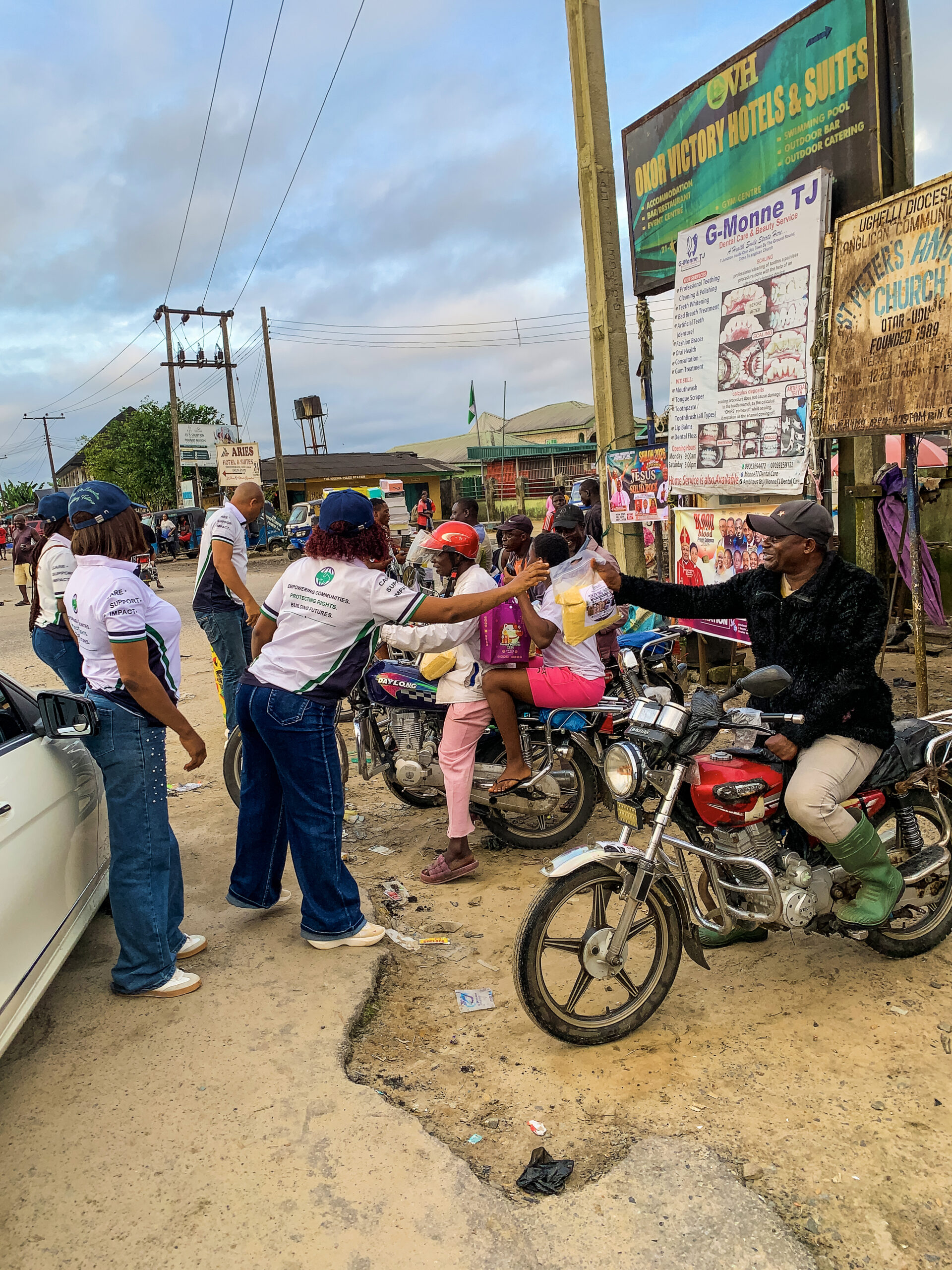
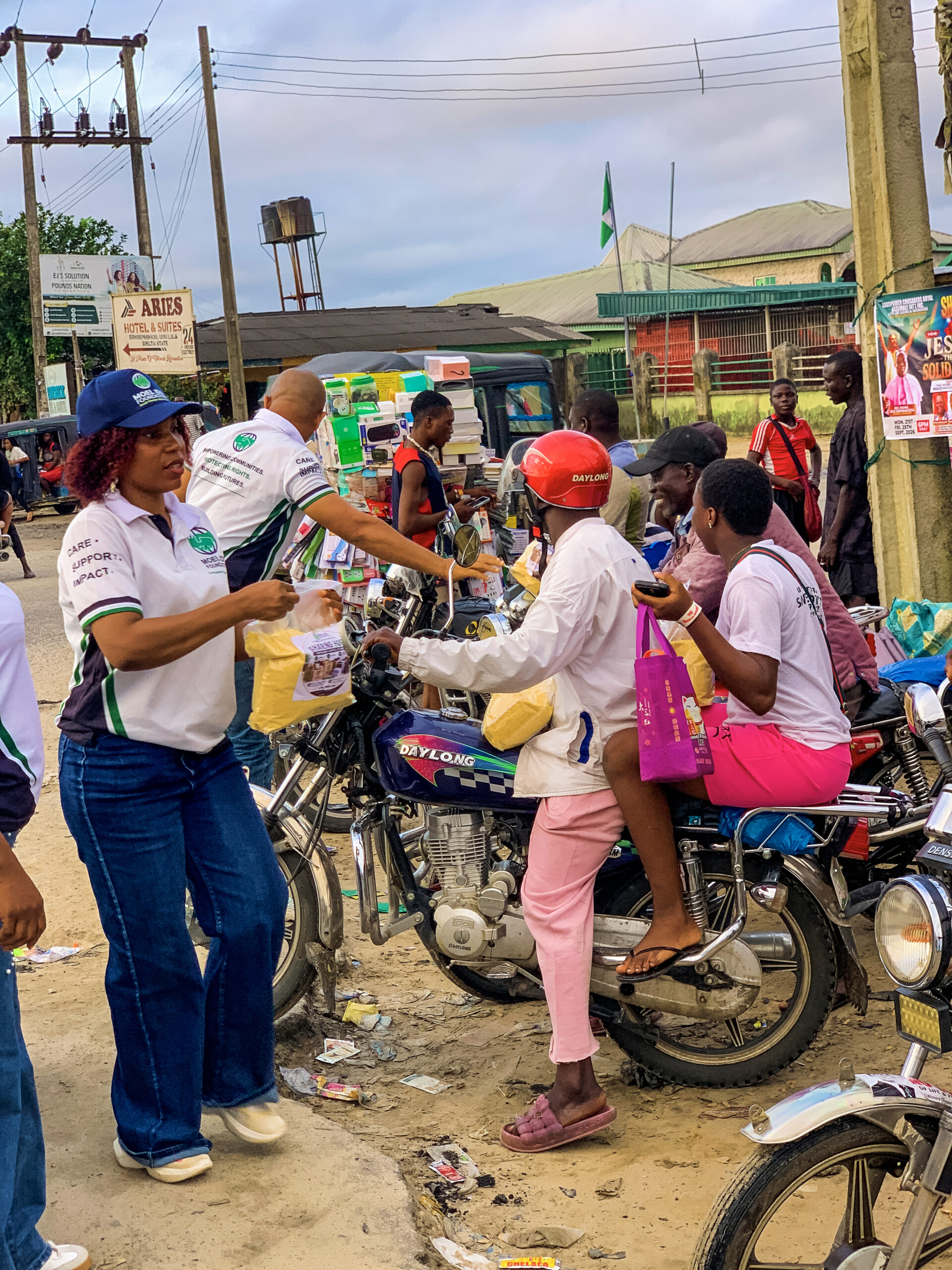
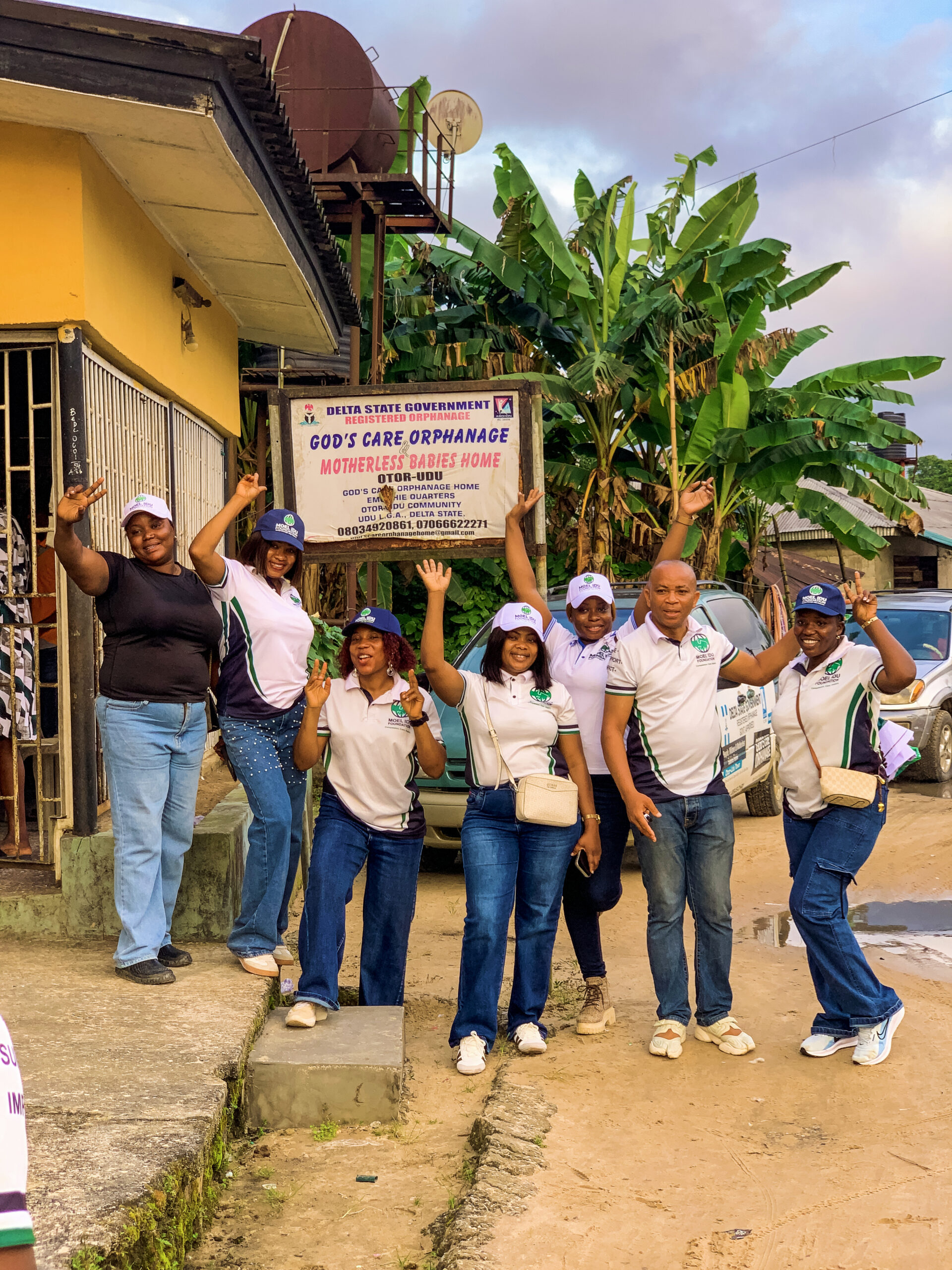
For children growing up without parental care, access to a safe and supportive environment is essential to their physical, emotional and social development. Beyond meeting basic needs, children require consistent care, positive relationships and opportunities to experience the sense of belonging and security that every childhood deserves.
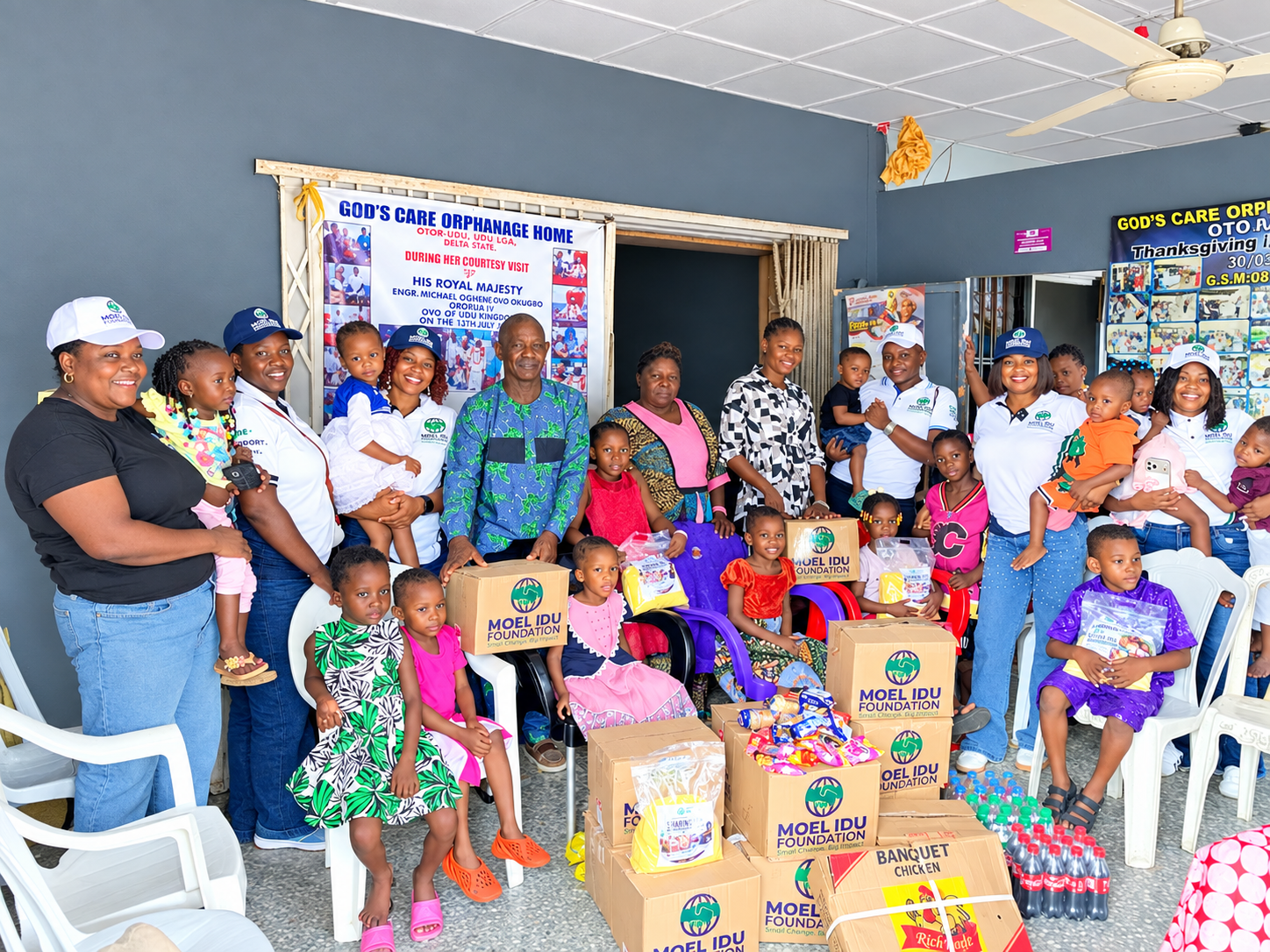
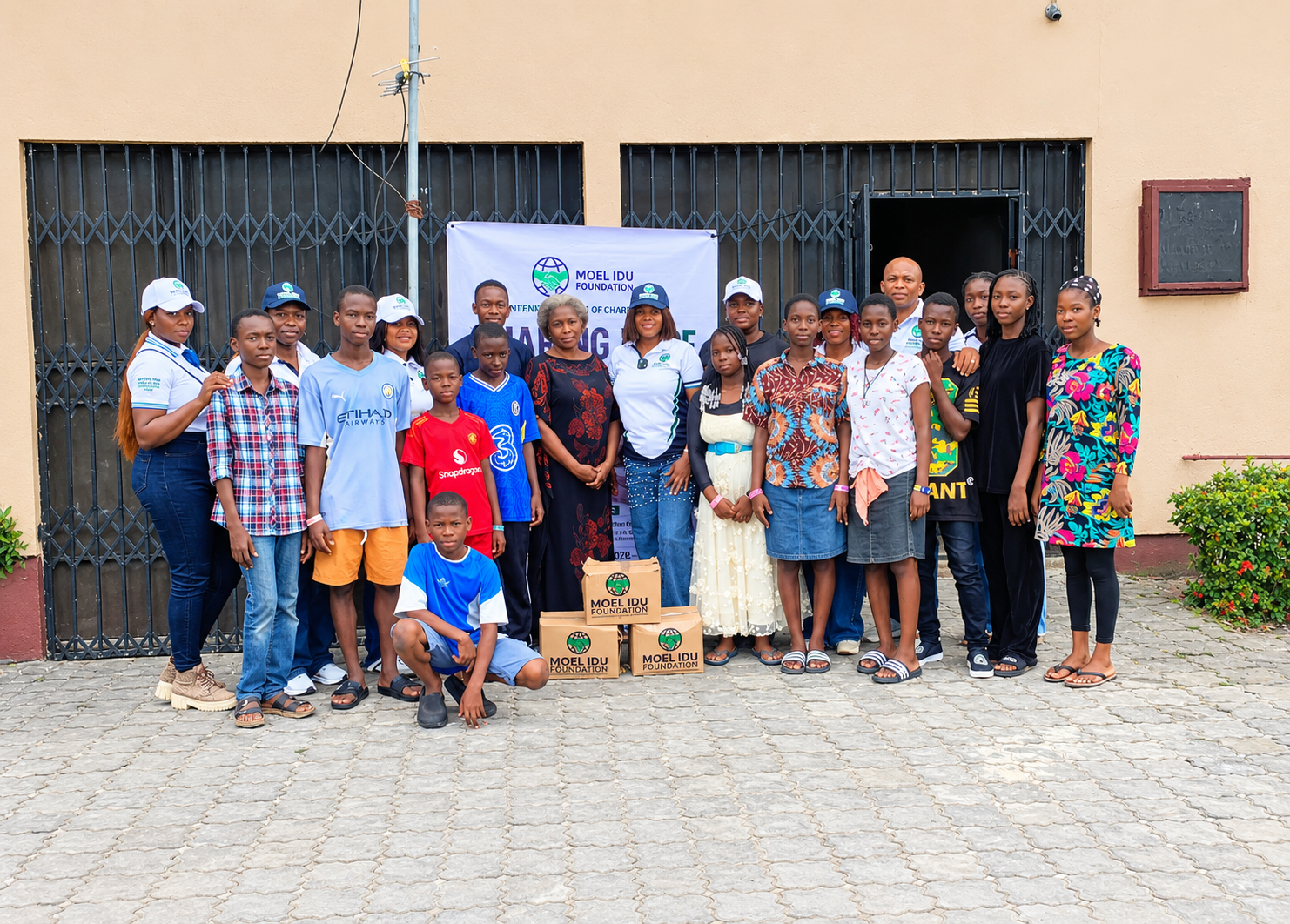
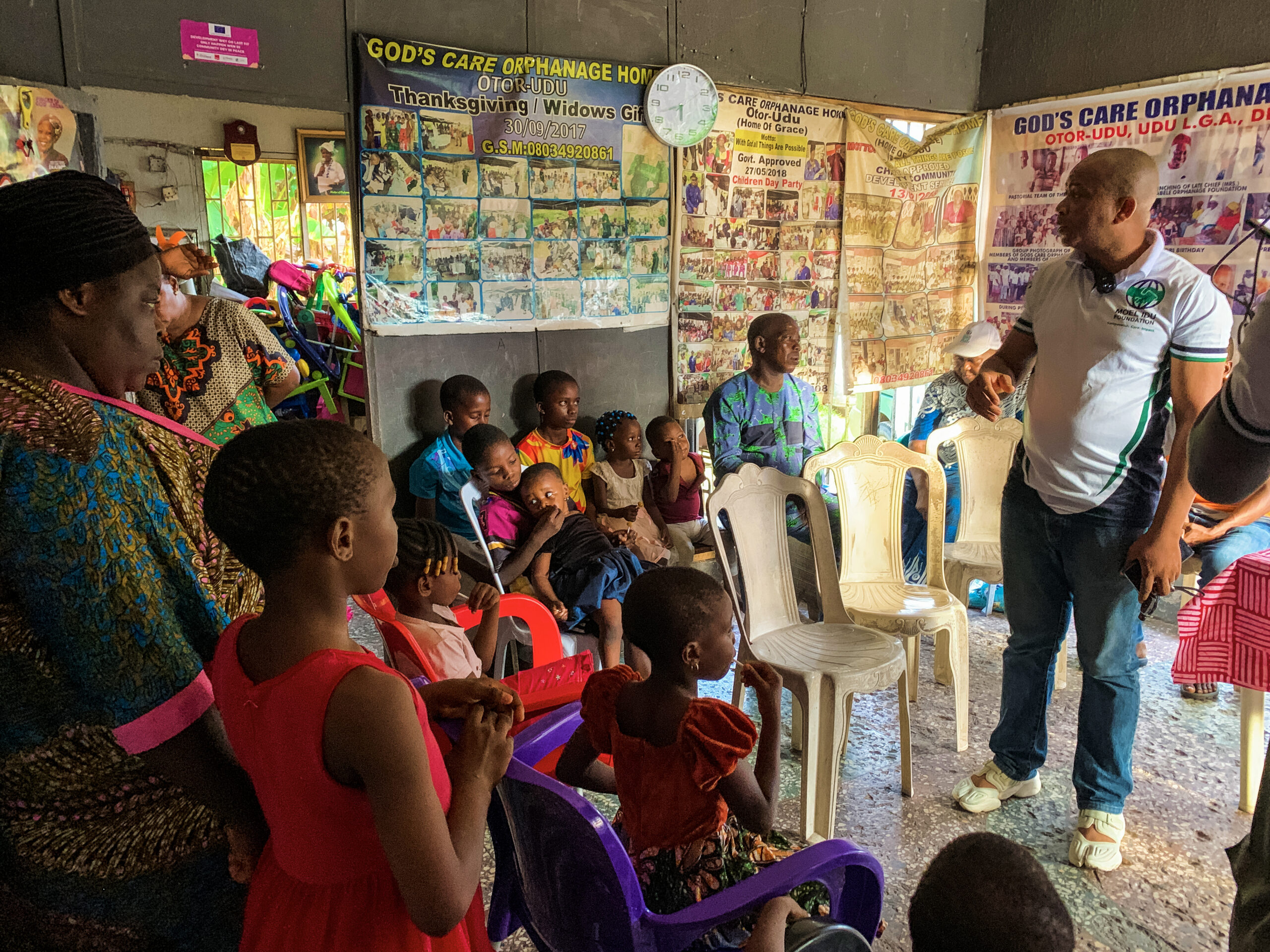
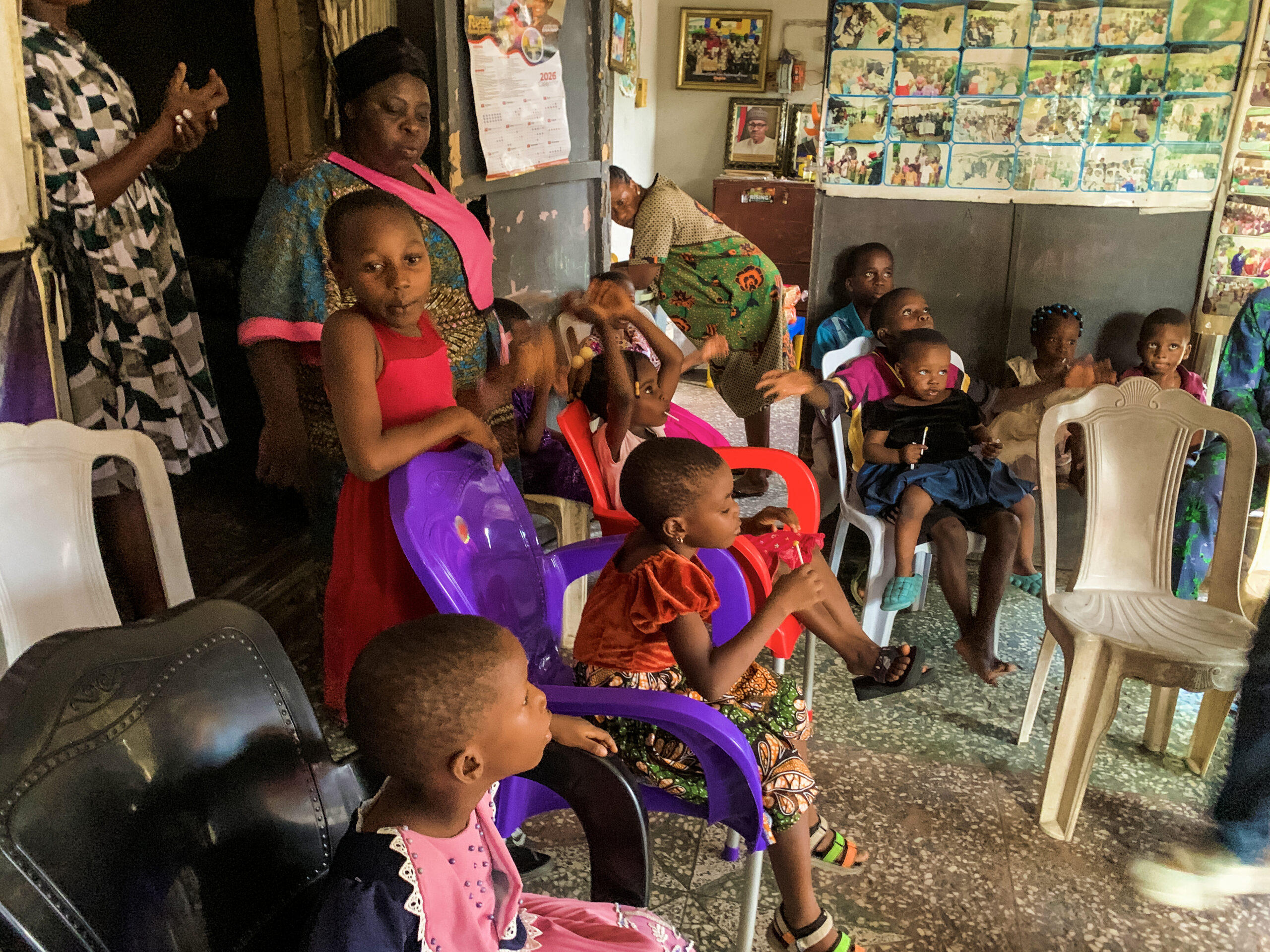
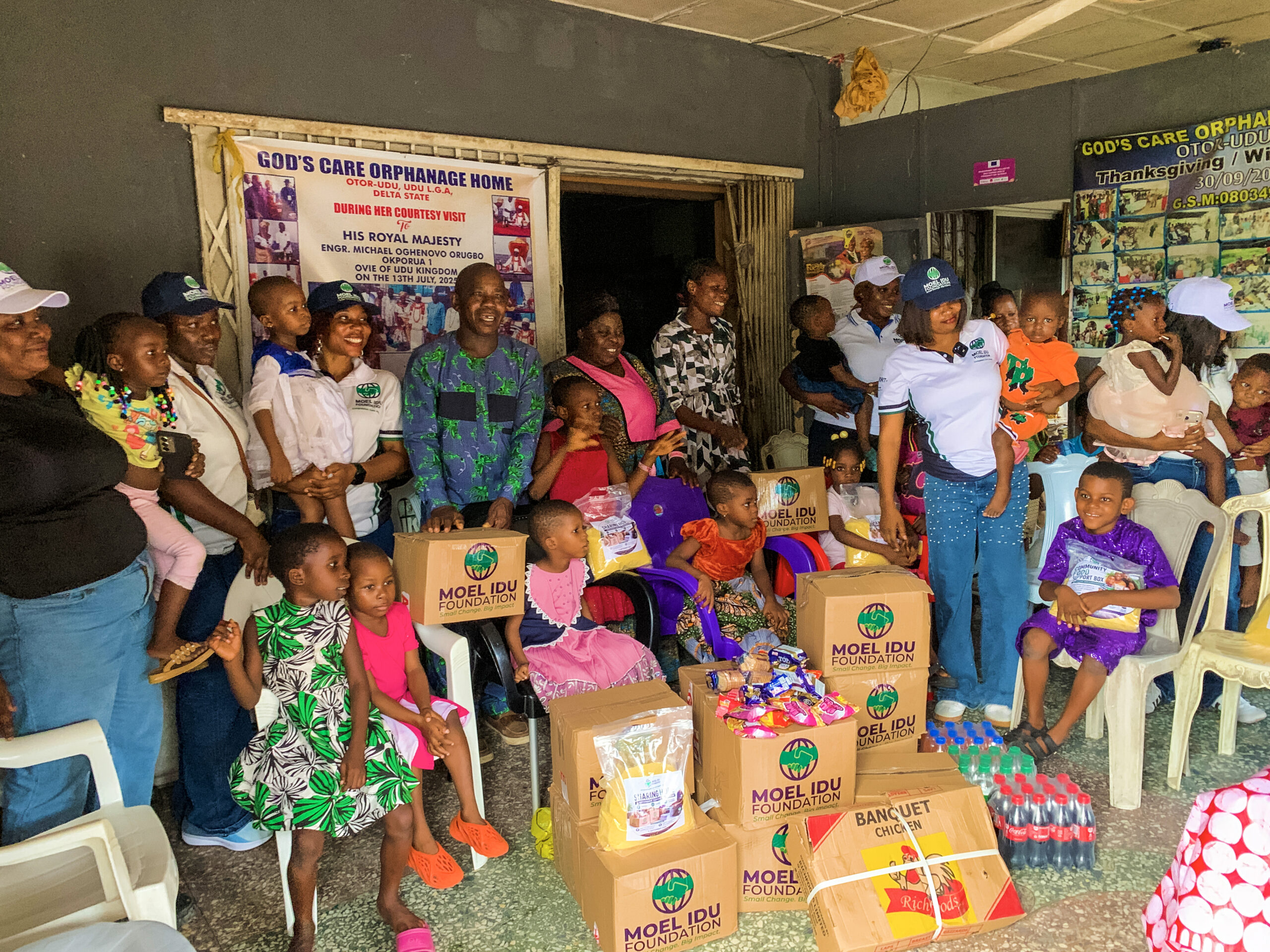
At God’s Care Orphanage Home in Otor-Udu, Delta State, Nigeria, these principles formed the foundation of a humanitarian outreach undertaken by Moel Idu Foundation as part of its Sharing Hope initiative commemorating the International Day of Charity on 5 September 2026.
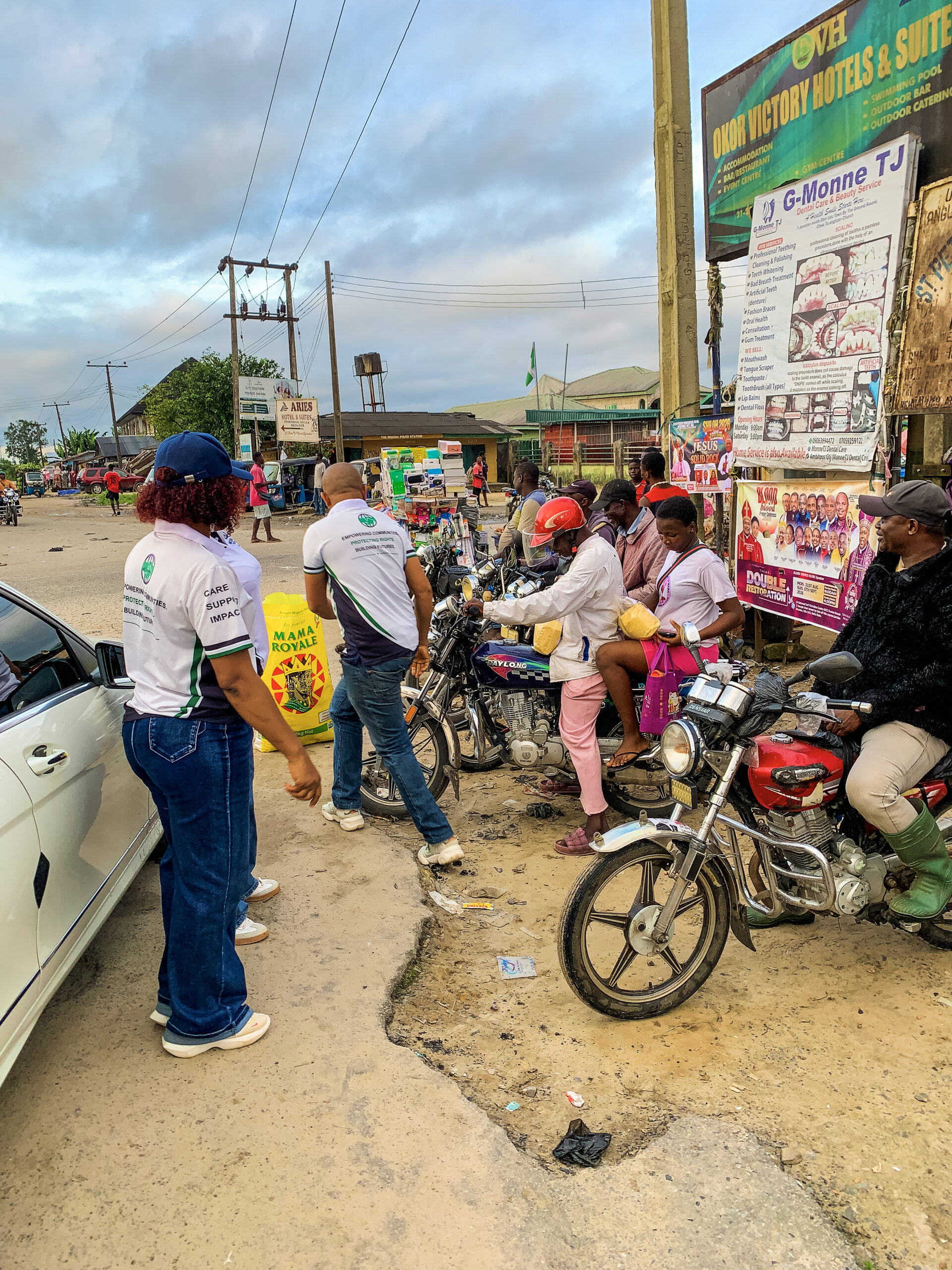
The programme formed part of a coordinated intervention across three orphanage homes in Delta State, designed to provide practical assistance to children living in residential care while strengthening community participation in child welfare.
Recognising the financial and operational responsibilities associated with providing residential care, the Foundation focused its intervention on addressing immediate nutritional needs, supporting daily care arrangements and creating opportunities for meaningful engagement with children and caregivers.
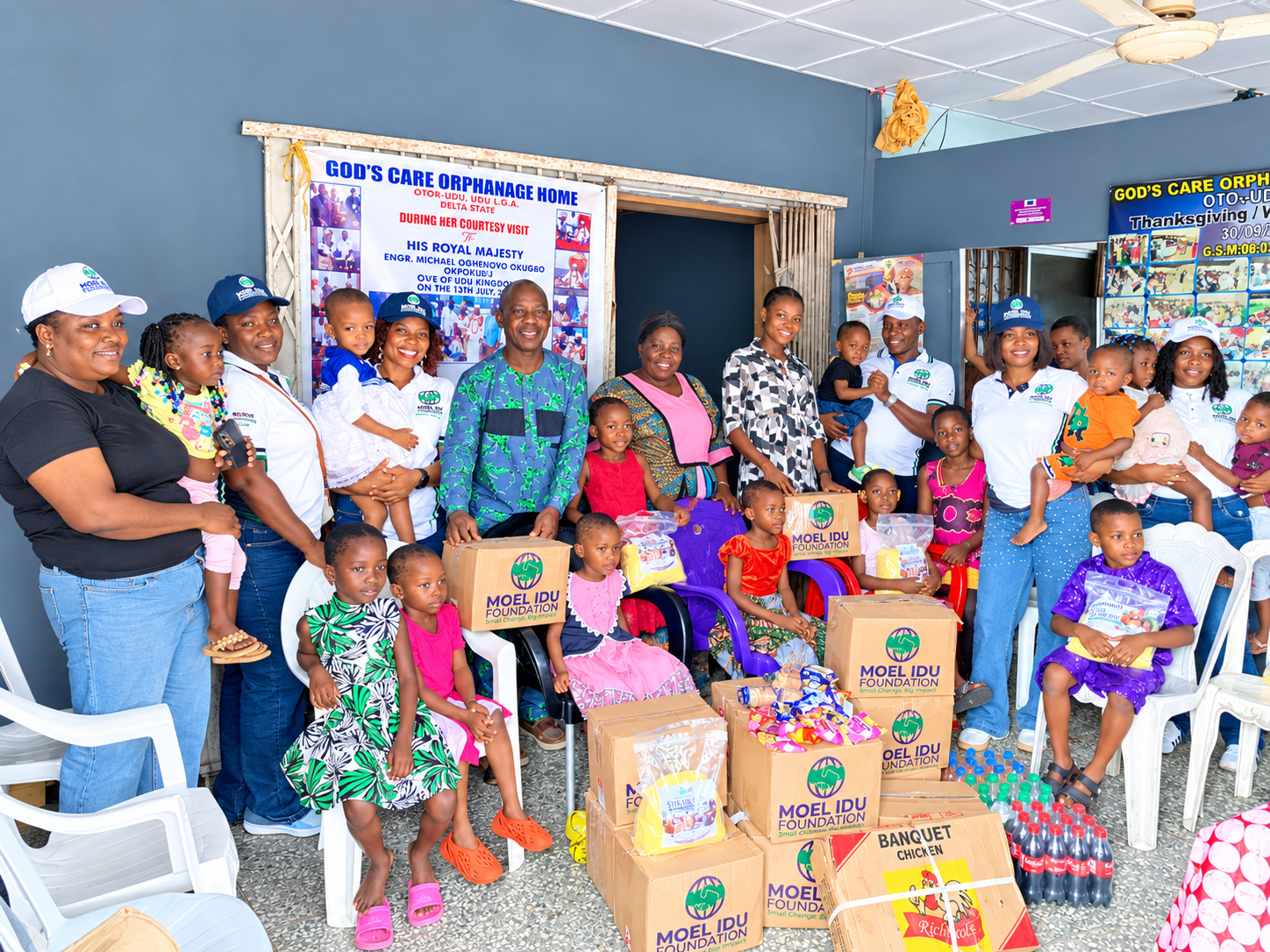
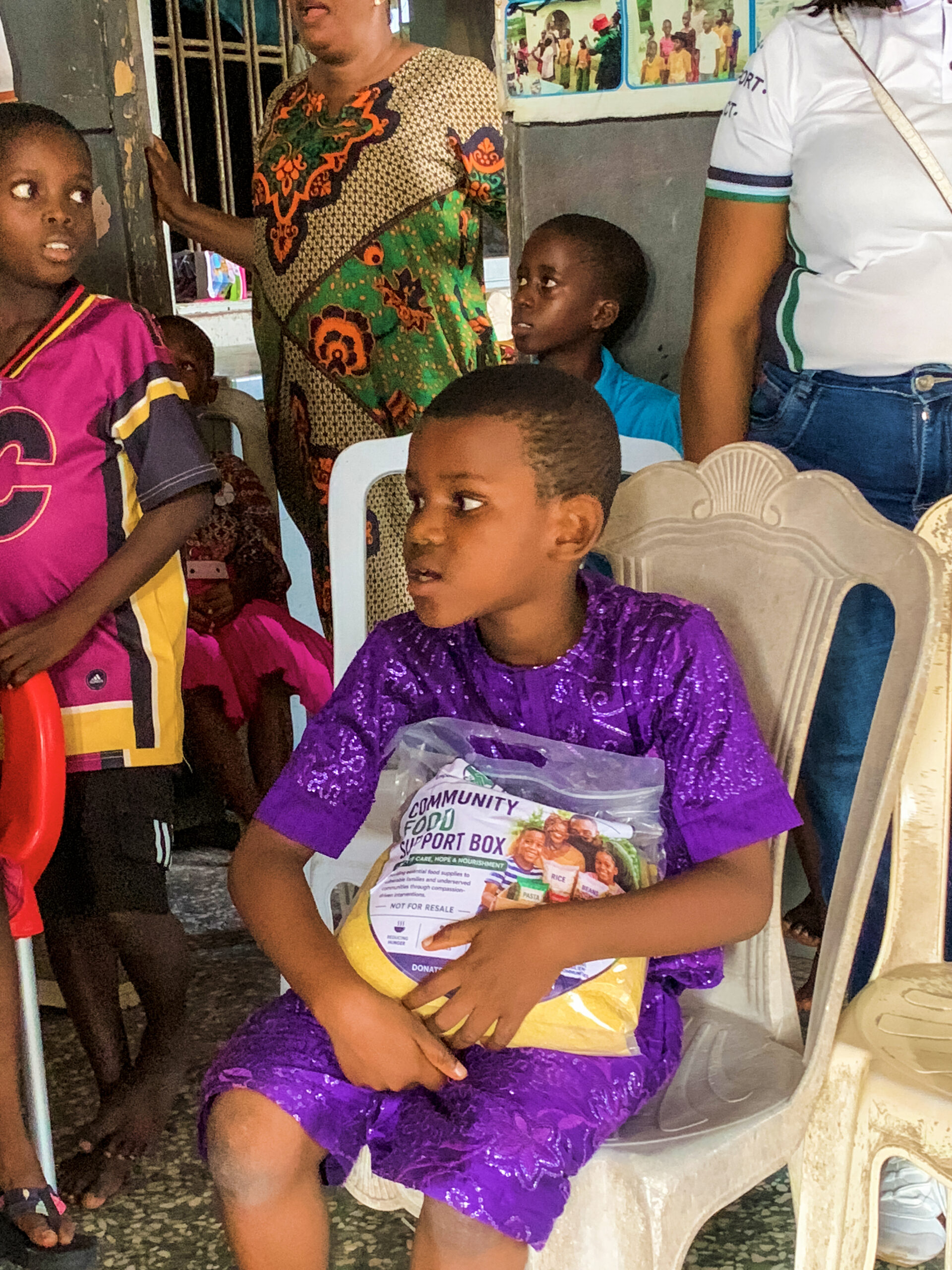
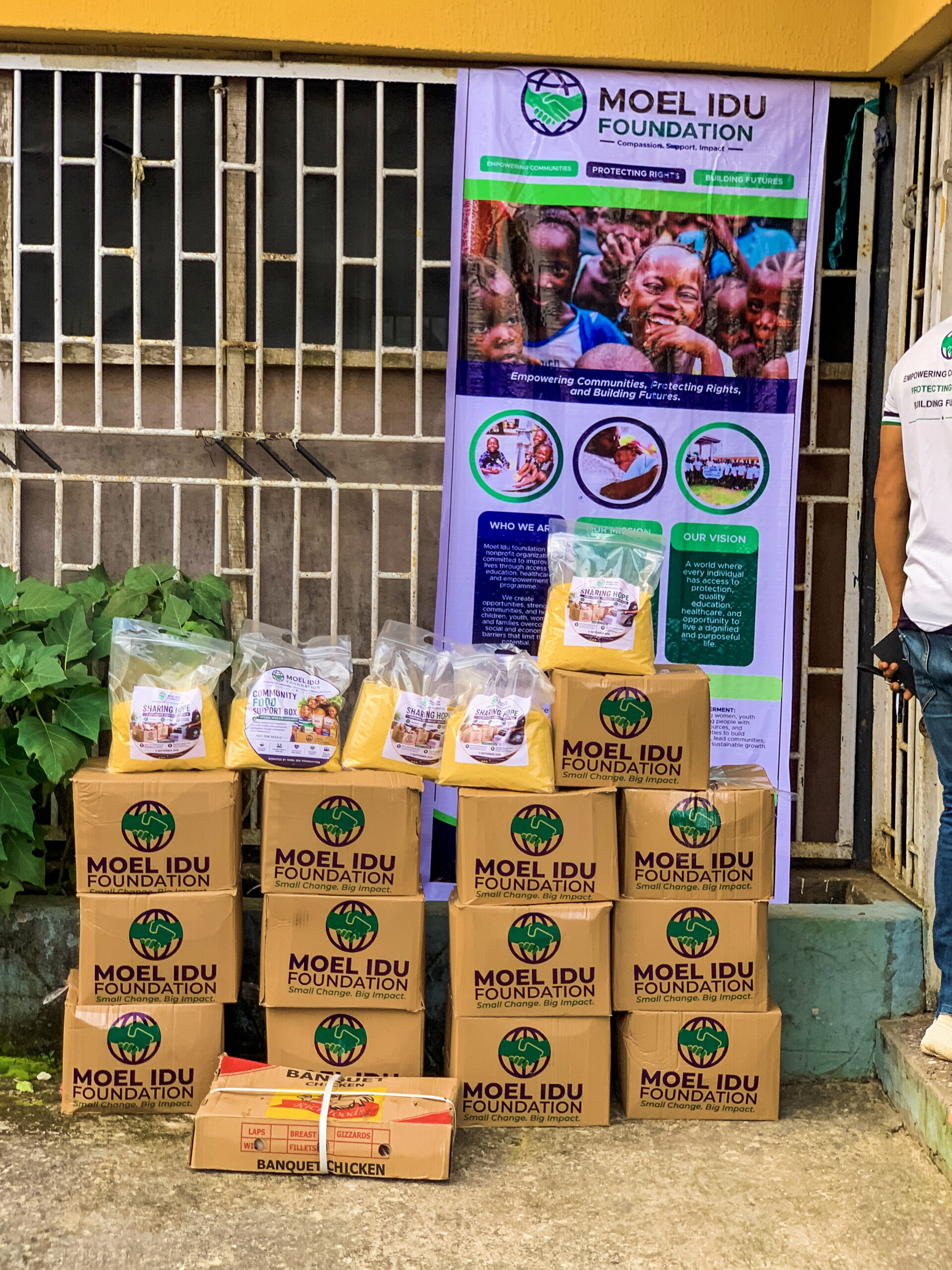
As part of the outreach, Moel Idu Foundation distributed 25 food boxes containing essential household food provisions, with each of the 25 direct beneficiaries receiving one box.
The assistance was intended to support daily meal preparation, improve access to essential food supplies and ease some of the immediate financial pressures associated with providing consistent care.
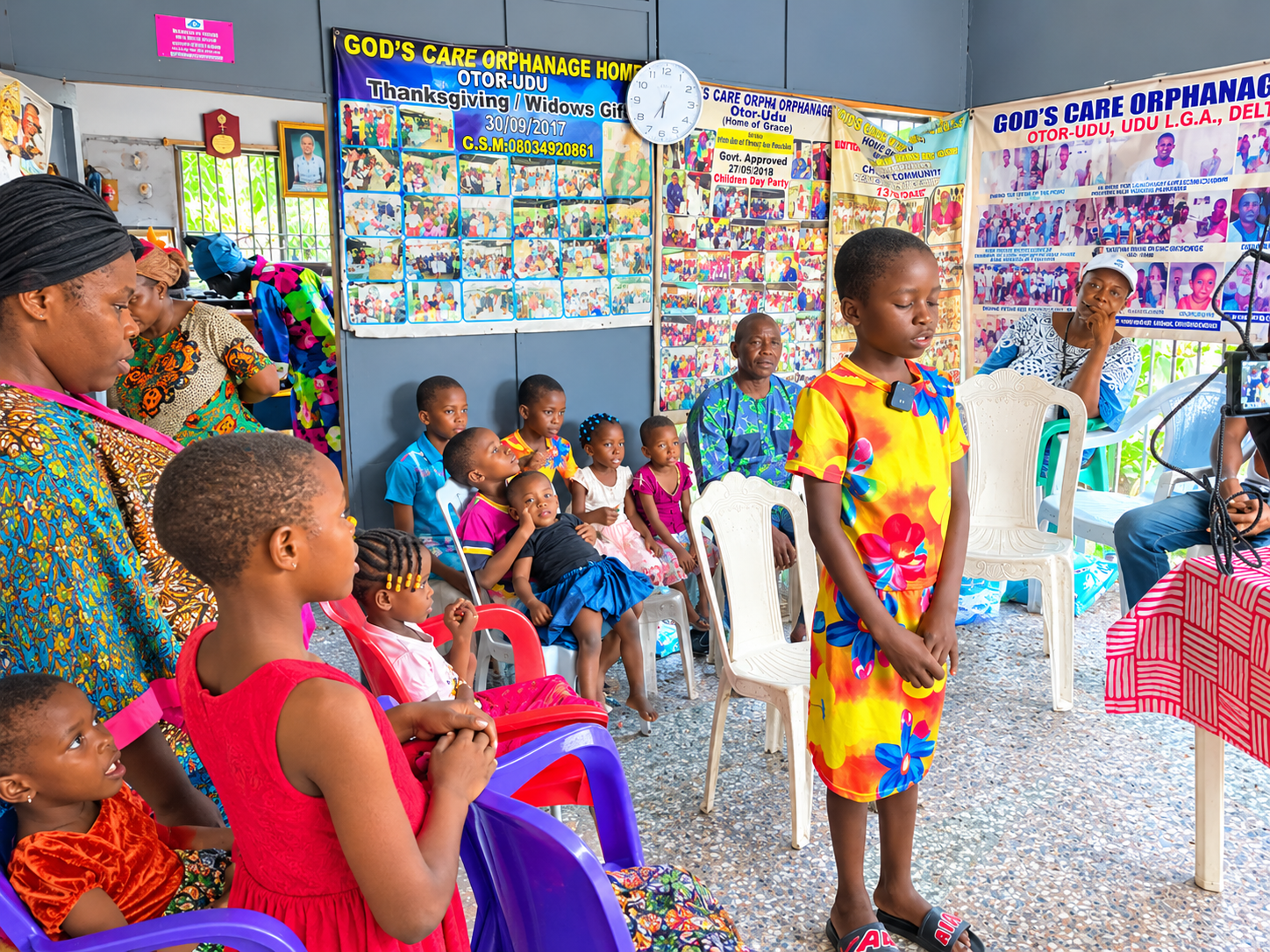
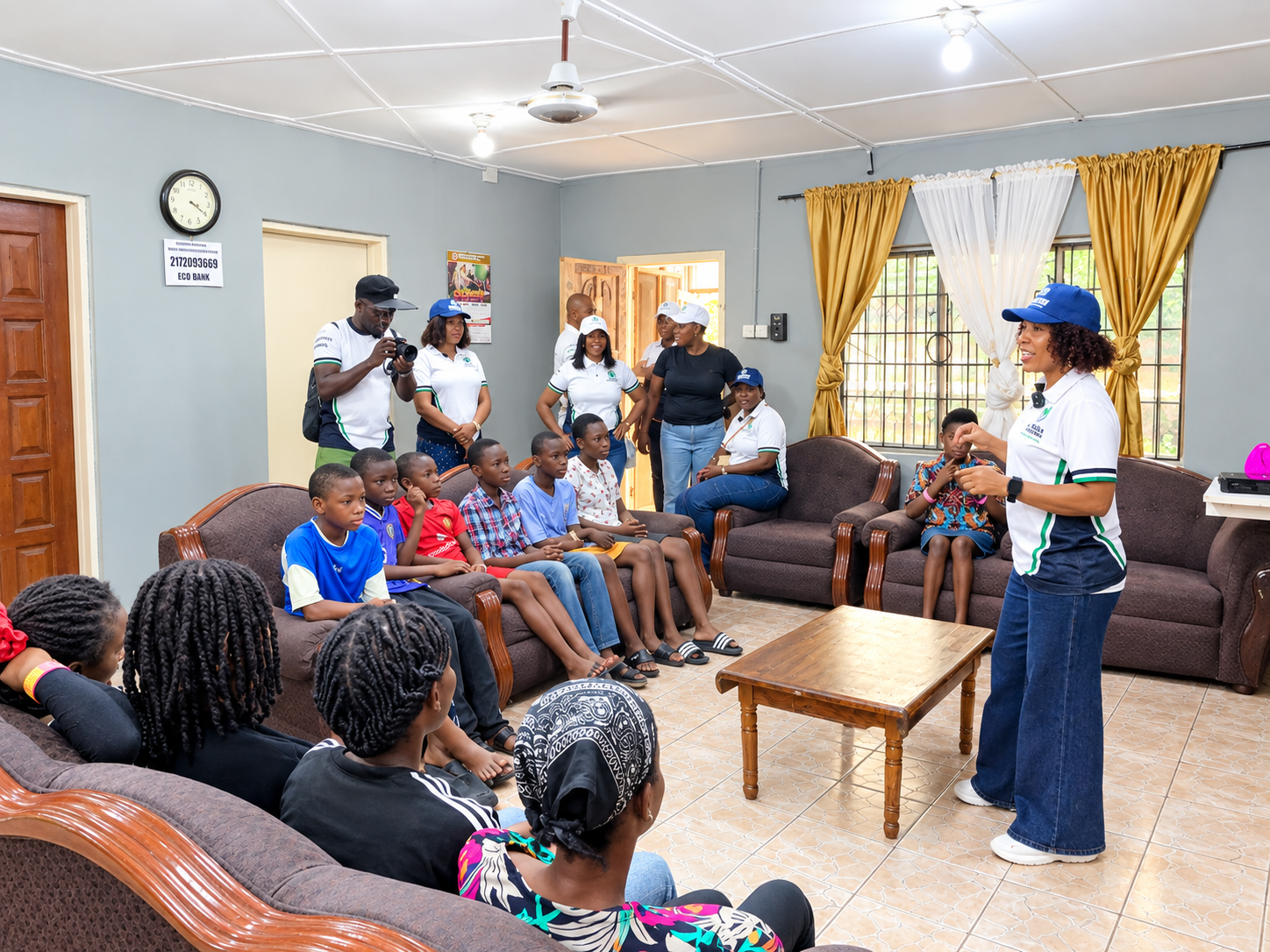
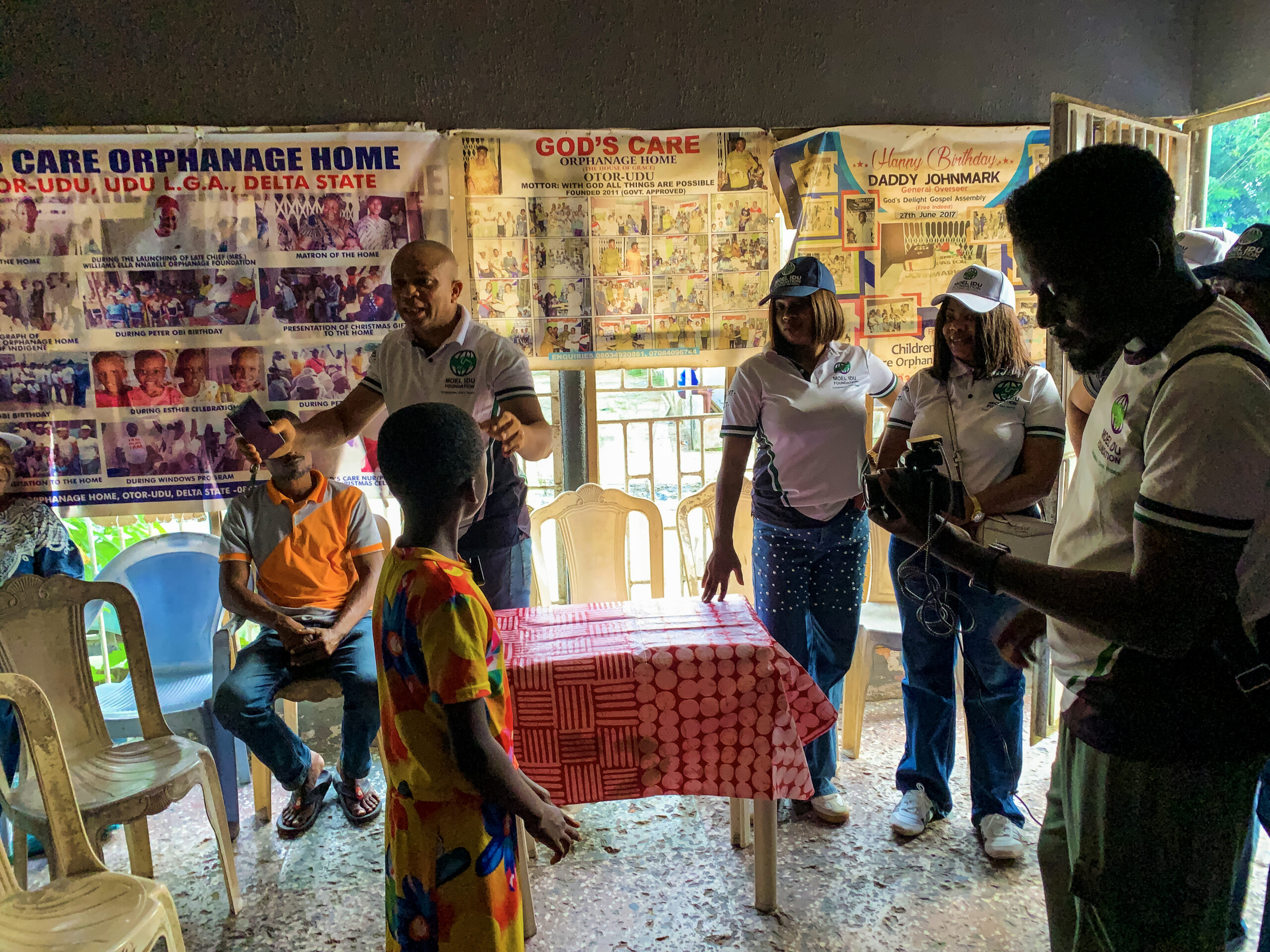
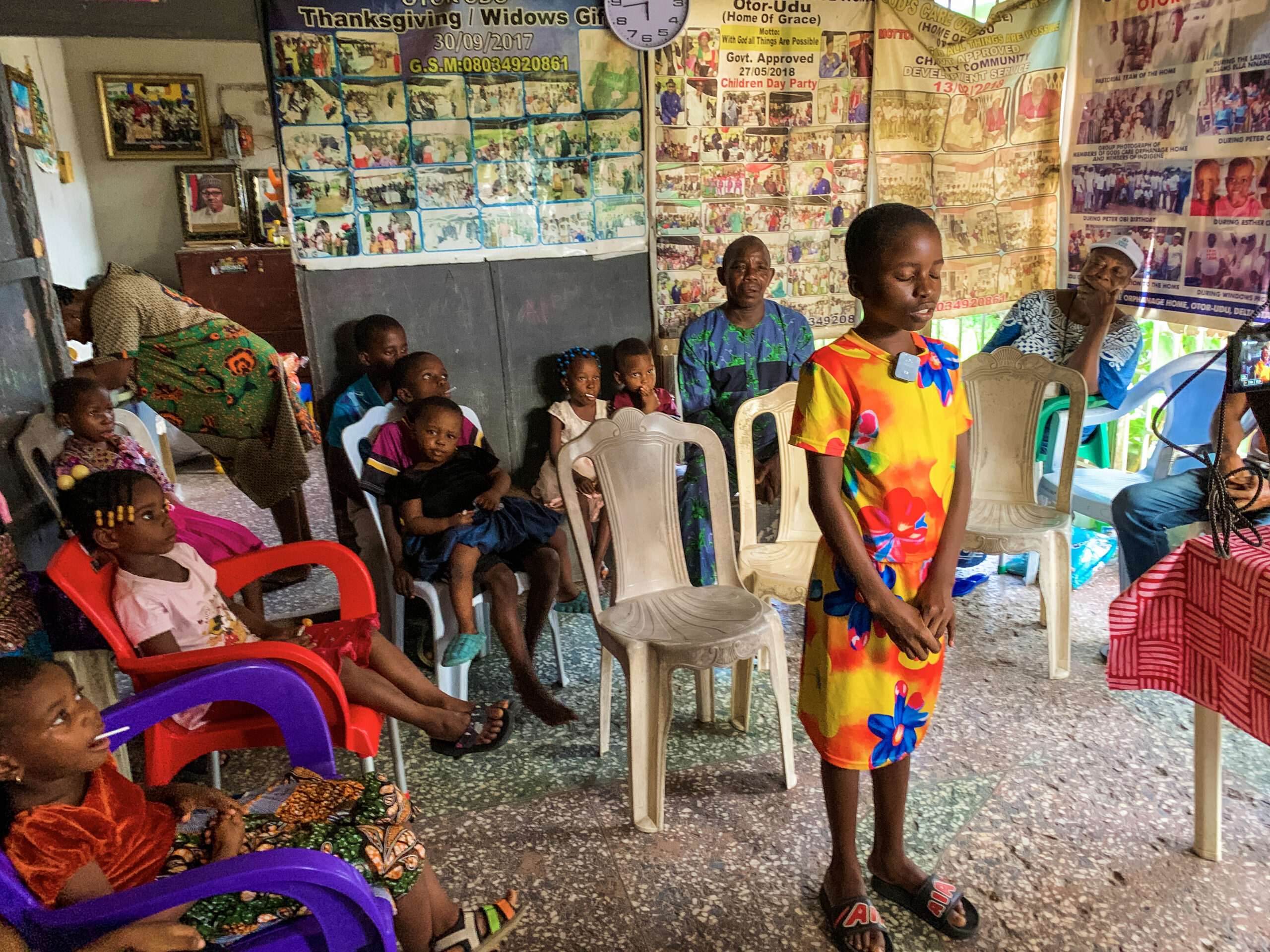
The visit also included the preparation and sharing of meals with the children, including jollof rice and fried rice. These activities created opportunities for interaction between the children, caregivers and the Foundation’s outreach team, extending the programme beyond material assistance to include positive social experiences.
Such engagement is particularly important in residential care settings, where children’s emotional well-being, sense of belonging and opportunities for social interaction form an essential part of their overall development.
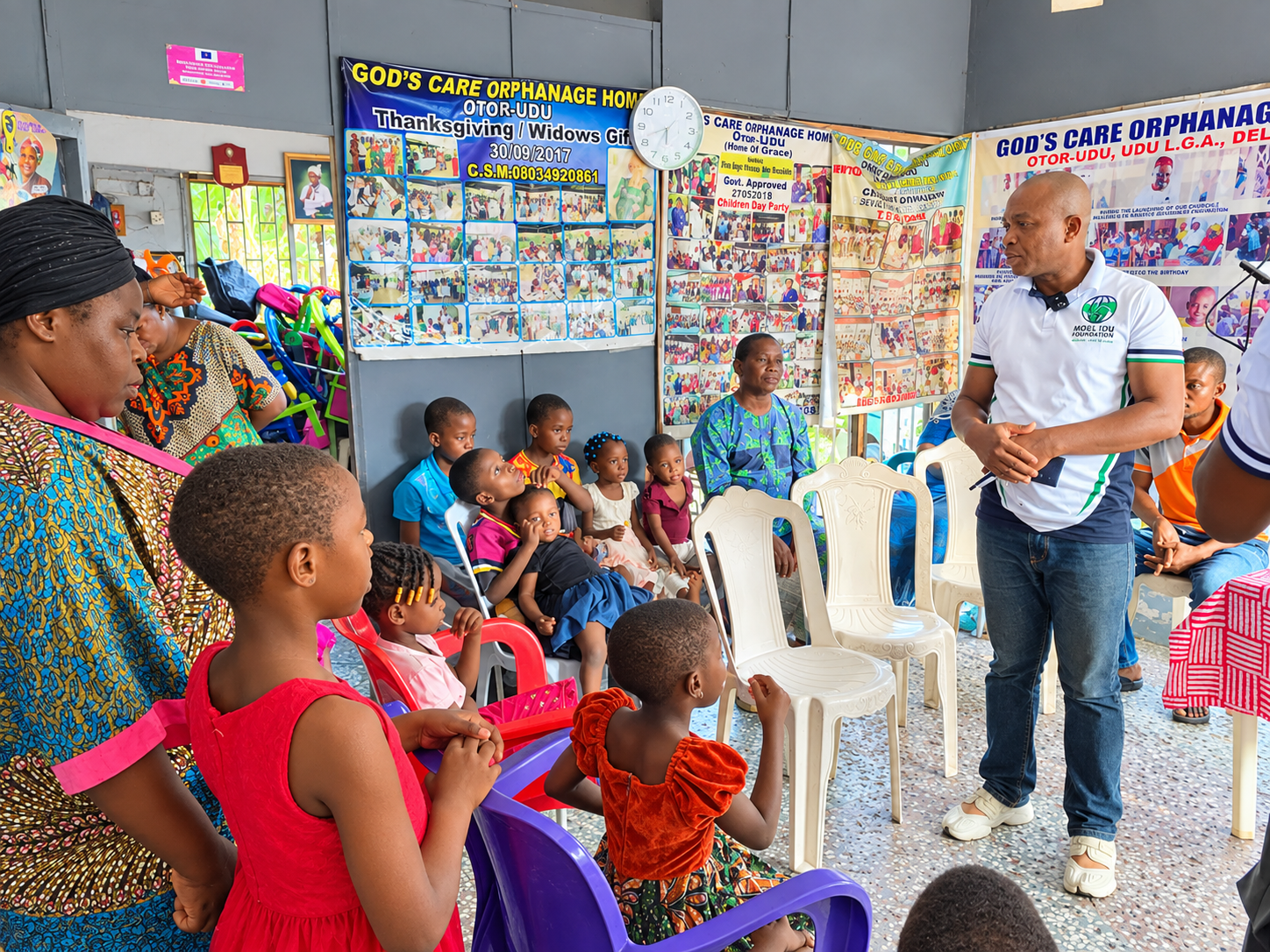
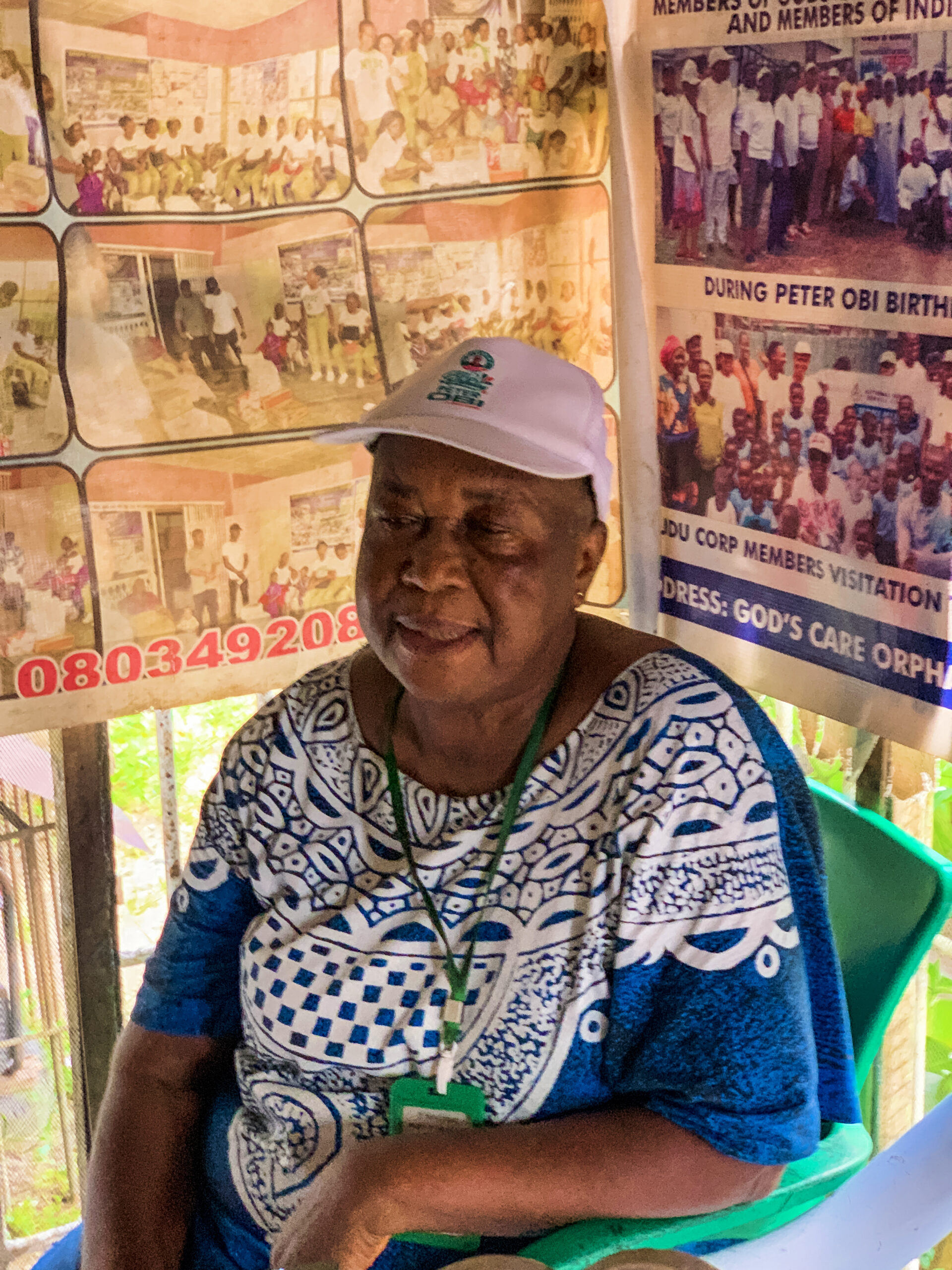
During the outreach, the home’s matron shared reflections on the importance of supporting children without parental care and other vulnerable members of the community, including widows.
She expressed appreciation to Moel Idu Foundation for the humanitarian assistance provided, acknowledging the resources invested in purchasing and delivering the donated supplies. She also offered prayers for the Foundation’s team and supporters, recognising their contribution to the institution’s ongoing care responsibilities.
Her remarks reflected the institution’s appreciation for the assistance received and highlighted the importance of sustained community involvement in supporting organisations responsible for the care and protection of vulnerable children.
The intervention directly supported 25 beneficiaries, with an estimated indirect reach of 50 individuals through the institution’s wider care and community support network.
Beyond addressing immediate nutritional needs, the outreach reinforced the importance of recognising children as individuals whose development depends on adequate care, protection, meaningful relationships and access to essential services.
The God’s Care intervention formed part of Moel Idu Foundation’s wider International Day of Charity programme, implemented across three residential childcare institutions to strengthen community-based humanitarian support for children in vulnerable circumstances.
While food assistance provides immediate relief, ensuring lasting improvements in child welfare requires continued investment in education, healthcare, child protection, appropriate alternative care and inclusive social support systems.
Through Sharing Hope, Moel Idu Foundation reaffirmed its commitment to advancing child welfare, strengthening community solidarity and supporting environments where every child, regardless of their circumstances, has the opportunity to grow with dignity, protection and access to essential resources.
Child marriage remains one of the most persistent manifestations of these inequalities. According to UNICEF, approximately 12 million girls are married before the age of 18 each year. The practice is associated with interrupted education, early pregnancy, increased exposure to violence, limited economic opportunities and restrictions on girls’ ability to exercise their fundamental rights. Sustained by interconnected factors such as poverty, harmful gender norms, unequal access to education and inadequate social protection, child marriage reinforces intergenerational cycles of poverty, exclusion and gender inequality.
Ending child marriage is therefore both a child protection imperative and a critical investment in sustainable development. It requires coordinated action to strengthen legal protection, expand access to quality education and healthcare, challenge discriminatory social norms and ensure that girls have meaningful opportunities to participate in shaping their futures.
In recognition of these challenges, the Moel Idu Foundation commemorated the International Day of the Girl Child 2026 through a school-based rights awareness, education and empowerment initiative held on 9 October 2026 at Anglican Girls’ Grammar School (AGGS), Asaba, Delta State, Nigeria.
The programme was organized under the theme “To End Child Marriage and Invest in Girls’ Rights,” emphasizing the urgent need to eliminate harmful practices, protect girls’ fundamental rights and strengthen investments in their education, health, safety and future opportunities.
From Global Commitments to Local Action
The elimination of child marriage is a central commitment under Sustainable Development Goal 5.3, which calls for ending harmful practices, including child, early and forced marriage. Despite international commitments, many girls continue to experience limited decision-making power, educational barriers and social expectations that prioritize early marriage over their personal development.
Addressing these challenges requires sustained action at multiple levels, including stronger child protection systems, community engagement, access to education and healthcare, and opportunities for girls to acquire the knowledge and confidence needed to exercise their rights. Schools play an important role in these efforts by providing supportive environments where girls can develop essential life skills, access trusted adults and participate in discussions affecting their well-being.
Against this background, the Moel Idu Foundation designed its Asaba intervention to translate broader child marriage prevention and girls’ rights objectives into practical educational engagement. By bringing together students, educators and professionals from relevant disciplines, the programme sought to strengthen awareness, promote informed decision-making and encourage a supportive environment for girls’ development.
Her Voice, Her Right, Her Future: A Holistic Approach to Girls’ Empowerment
To complement the programme’s main theme, the Foundation adopted the sub-theme “Her Voice, Her Right, Her Future,” broadening the educational scope of the celebration while reinforcing its central commitment to ending child marriage and investing in girls’ rights.
Her Voice emphasized girls’ right to be heard, express their concerns and participate meaningfully in matters affecting their lives. Creating environments that encourage open communication is essential to helping girls share their experiences, seek guidance and challenge the silence or social pressures that can prevent them from reporting harmful practices.
Her Right focused on protecting and fulfilling girls’ fundamental rights, including access to education, healthcare, safety, dignity and protection from child marriage, gender-based violence and exploitation. It reinforced the responsibility of families, schools, communities and relevant institutions to uphold these rights and ensure that girls have access to appropriate information and protection mechanisms.
Her Future emphasized expanding opportunities for girls to complete their education, develop their abilities, pursue their aspirations and participate fully in society. Preventing child marriage helps safeguard these opportunities by protecting childhood and reducing barriers that can restrict girls’ educational and economic prospects.
Together, these three pillars provided a framework connecting child marriage prevention with legal awareness, adolescent health, effective communication, confidence-building and personal development. The approach reflected a rights-based understanding of empowerment that recognizes girls as individuals whose experiences, perspectives and aspirations must inform efforts to protect and support them.
Professional Education, Rights Awareness and Mentorship
To deliver a comprehensive educational experience, the Foundation invited three female professionals with expertise in law, communication and personal development, and healthcare. Their participation provided students with access to specialized knowledge, practical guidance and professional role models, while addressing interconnected issues affecting adolescent girls.
Legal Awareness and Child Protection
Guest Speaker Designation: Principal State Counsel, Ministry of Justice, Asaba, Delta State.
Topic: Know Your Rights as a Girl
The legal awareness engagement focused on girls’ fundamental rights, child protection and the importance of recognizing harmful practices, including child marriage, exploitation, violence and gender-based discrimination. It reinforced the responsibilities of families, educational institutions and communities in protecting children while highlighting the importance of appropriate reporting channels and access to legal protection. By making rights-related information more accessible, the programme sought to strengthen girls’ awareness and encourage informed responses to situations that may threaten their safety, dignity or educational opportunities.
Effective Communication, Confidence and Personal Development
Guest Speaker Designation: Communication Expert and Personal Development Coach.
Focus: Effective Communication, Confidence-Building and Personal Development
The communication and personal development engagement emphasized the importance of self-confidence, effective communication, positive self-perception and meaningful participation. Students were encouraged to recognize their strengths, express their ideas, communicate concerns and develop the confidence needed to pursue educational and personal aspirations. The session also highlighted the importance of supportive relationships and positive female role models in encouraging girls’ leadership potential, personal growth and future ambitions.
Adolescent Health, Personal Hygiene and Well-Being
Guest Speaker Designation: Registered Midwife and Nurse.
Focus: Adolescent Health, Personal Hygiene and Well-Being
The health awareness component addressed adolescent health, personal hygiene, physical development and the importance of accessing accurate, age-appropriate health information. It also reinforced the relationship between child marriage, early pregnancy and increased health risks during adolescence. Through professional guidance, the programme sought to support informed health decisions, encourage healthy practices and promote girls’ dignity, safety and overall well-being.
Together, the three engagements connected child protection, legal awareness, health education, communication and personal development within a coordinated approach to girls’ empowerment. The programme also provided opportunities for student participation and interaction, reinforcing the importance of listening to girls and creating environments where they feel comfortable expressing concerns, asking questions and seeking appropriate guidance.
Recognizing Girls’ Achievement, Leadership and Positive Contributions
Investing in girls also involves recognizing their capabilities, celebrating their achievements and encouraging continued personal development. As part of the celebration, the Moel Idu Foundation presented cash prizes and certificates to outstanding students across seven recognition categories, acknowledging academic achievement, leadership, character, perseverance and contributions to the school community.
The recognition categories included:
- Leadership: Recognizing initiative, responsibility and positive influence among peers.
- Academic Excellence: Celebrating outstanding educational achievement and commitment to learning.
- Creativity: Acknowledging imagination, originality and creative expression.
- Kindness: Recognizing compassion, empathy and positive contributions to others.
- Resilience: Celebrating perseverance, determination and the ability to overcome challenges.
- Most Improved: Acknowledging meaningful personal or academic progress and sustained effort.
- Community Service: Recognizing commitment to helping others and contributing positively to the school or wider community.
Through these awards, the Foundation emphasized that excellence extends beyond academic performance to include qualities that contribute to responsible leadership, positive relationships and active citizenship. The cash prizes provided financial recognition, while the certificates formally acknowledged the students’ achievements, efforts and contributions.
The recognition component also reinforced the programme’s broader message that investing in girls means nurturing their talents, encouraging their aspirations and creating opportunities for them to develop confidence in their abilities.
Programme Reach, Partnerships and Sustainable Impact
The International Day of the Girl Child 2026 initiative in Asaba reached approximately 750 direct beneficiaries and an estimated 1,100 indirect beneficiaries through its educational activities and wider community engagement. The programme brought together students, educators and professionals to address child marriage prevention, girls’ rights, adolescent health, effective communication, confidence-building and personal development.
The initiative demonstrated the value of partnerships between civil society organizations, educational institutions and professionals in advancing locally relevant child protection and empowerment programmes. Through collaboration with Anglican Girls’ Grammar School and participating professionals, the Foundation created opportunities for educational engagement while reinforcing the shared responsibility of families, communities and institutions to protect girls’ rights.
The programme also contributed to awareness of the relationship between gender equality, quality education, good health, child protection and sustainable development. By combining professional education, participatory engagement and student recognition, the intervention sought to strengthen girls’ understanding of their rights while encouraging confidence, educational participation and personal development.
For the Moel Idu Foundation, the celebration represented an opportunity to contribute to broader efforts to eliminate child marriage and support environments in which girls can exercise their rights and pursue their aspirations. While awareness programmes alone cannot eliminate the structural drivers of child marriage, they can contribute to prevention by strengthening knowledge, encouraging dialogue and promoting the importance of sustained investment in girls.
Ending child marriage is essential to protecting girls’ childhoods. Investing in their rights is essential to securing their futures. Ensuring that their voices are heard is fundamental to achieving both.
Through the International Day of the Girl Child 2026 initiative, the Moel Idu Foundation reaffirmed its commitment to advancing gender equality, protecting children’s rights and supporting a future in which every girl can grow, learn and participate fully in society, free from harmful practices and discrimination.
Project Overview
Country
Nigeria
Location
God’s Care Orphanage Home, Otor-Udu, Udu Local Government Area, Delta State, Nigeria
Category
Child Welfare | Humanitarian Assistance | Food Security | Social Inclusion
Partner
God’s Care Orphanage Home
Direct Beneficiaries
25 Individuals
Estimated Reach
50 Individuals (Indirect)
Status
Completed
Impact Highlights
Twenty-five individuals at God’s Care Orphanage Home directly benefited from humanitarian assistance, with each receiving a food box containing essential provisions.
An estimated 50 individuals within the institution’s wider care and community support network were identified as potential indirect beneficiaries of the intervention.
Twenty-five food boxes containing essential food provisions were distributed to support immediate nutritional needs and help reduce food-related expenses.
God’s Care Orphanage Home received targeted humanitarian assistance to complement its daily care responsibilities and strengthen support for children living in residential care.
The programme included shared meals and direct interaction with children and caregivers, promoting social inclusion, positive engagement and community connection.
Engagement with the home’s matron highlighted the importance of sustained humanitarian assistance and community participation in supporting children without parental care and other vulnerable populations.
Sustainable Development Goals (SDGs)