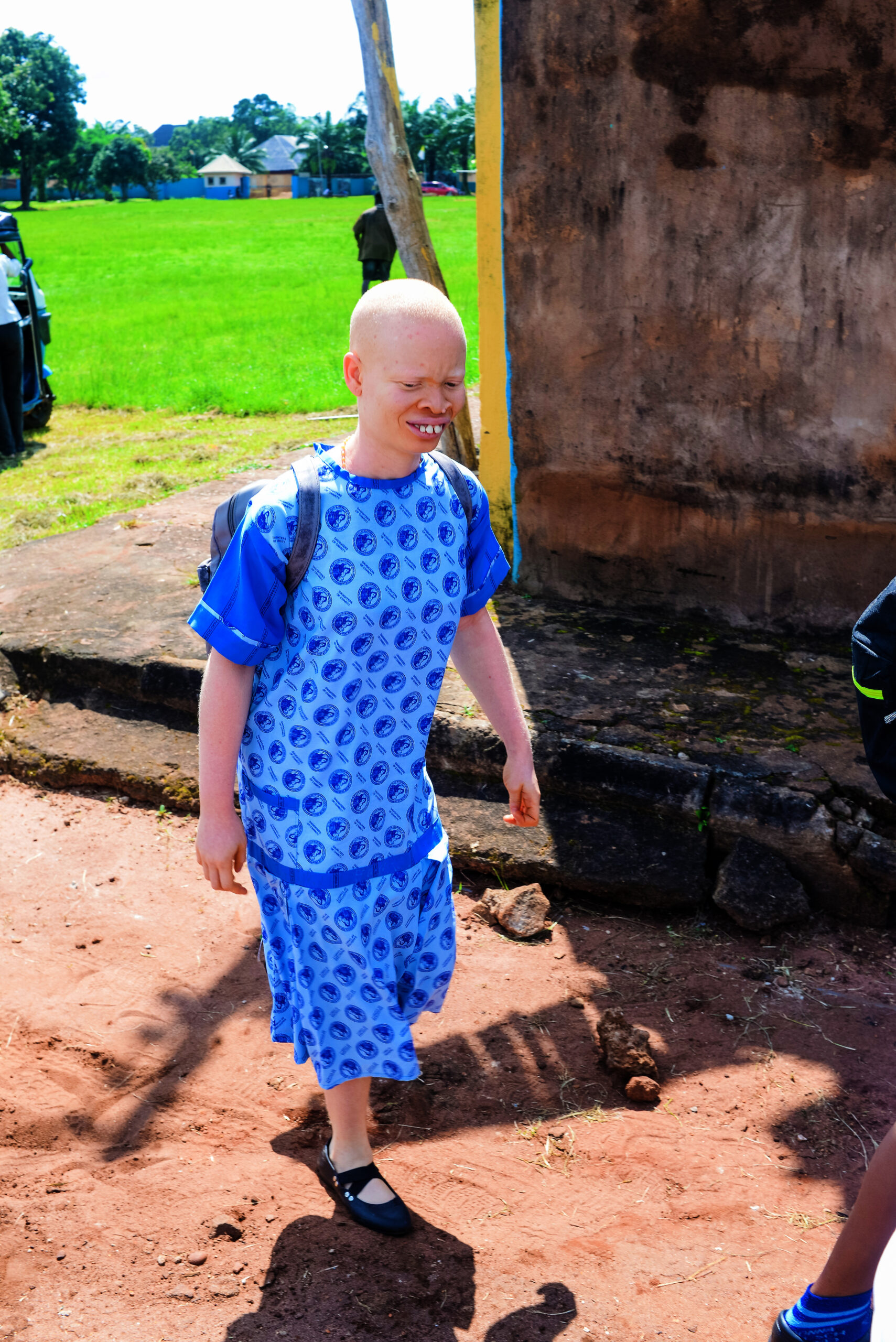
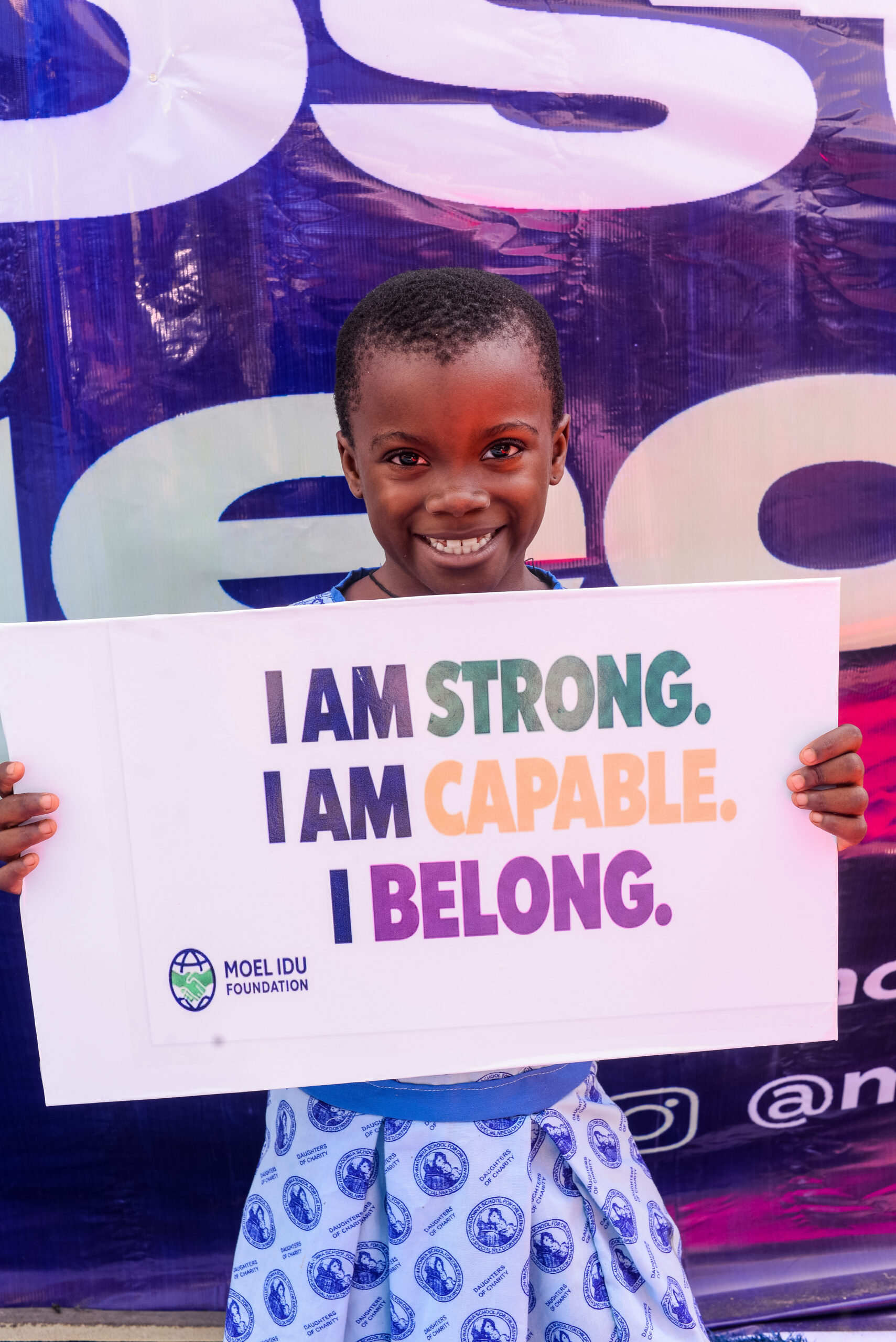
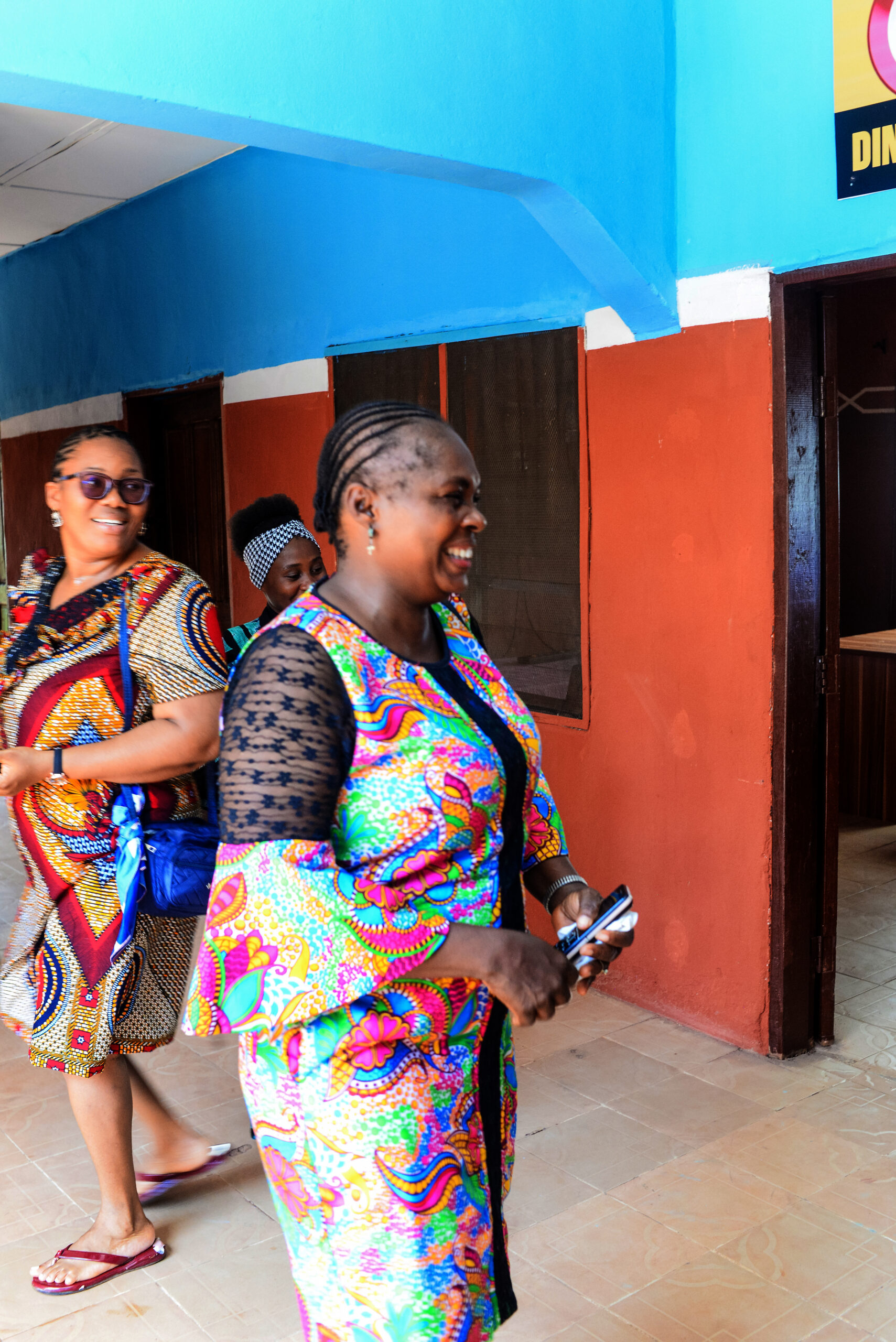
Every child deserves a safe, clean and dignified environment in which to live, learn and grow. For children with disabilities, access to appropriate residential facilities is particularly important, as inadequate infrastructure can create additional barriers to their health, independence, well-being and participation in education.
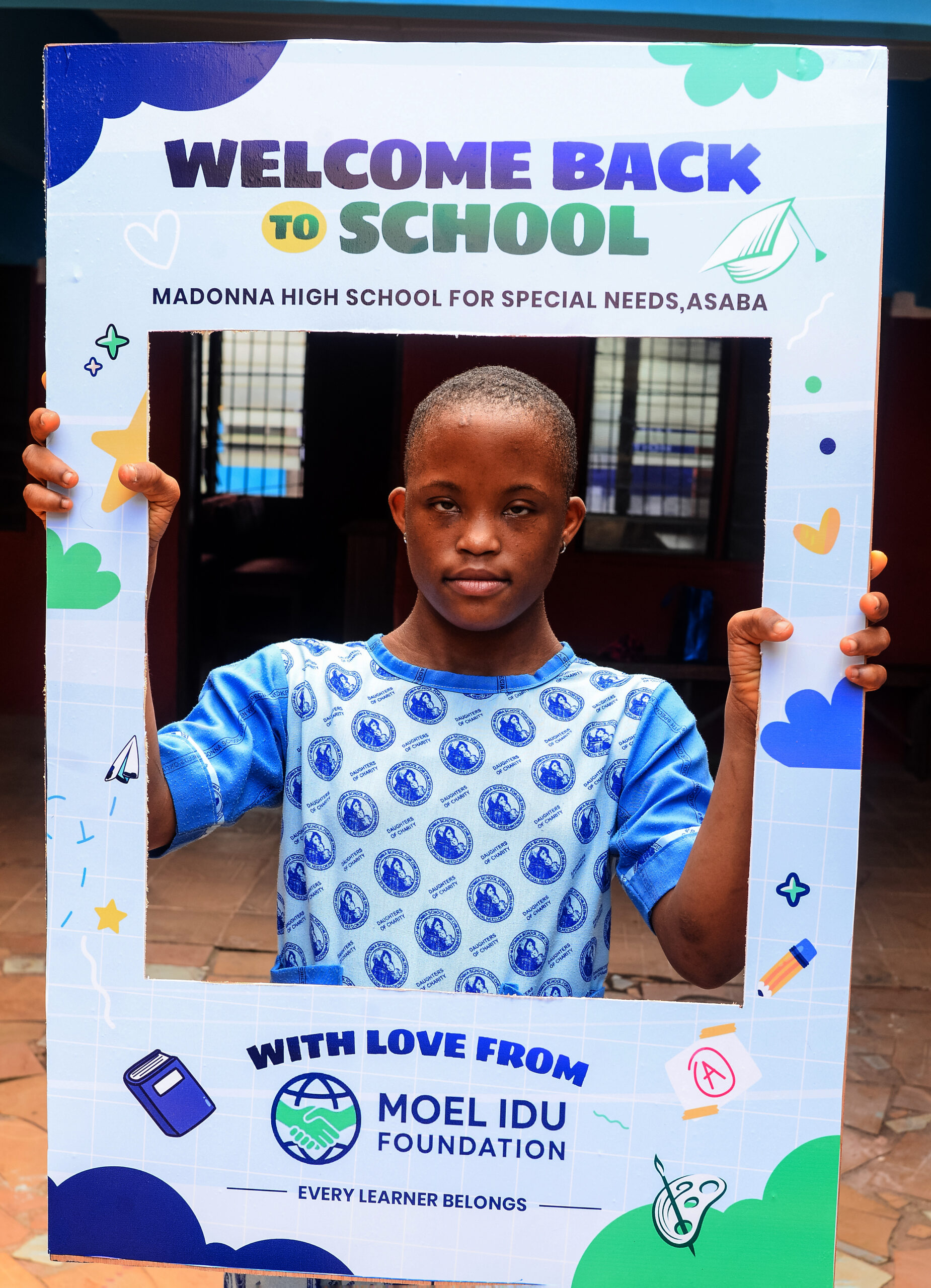
At Madonna High School for Special Needs in Asaba, Delta State, Nigeria, the need for improved residential accommodation became evident during an earlier intervention by the Moel Idu Foundation.
In July 2026, the Foundation implemented its Beyond Ability: Unlocking Potential initiative at the school, reaching 200 learners through career inspiration, mentorship, health education, confidence-building and talent-development activities. As part of the programme, 25 wheelchairs and mobility aids were provided to support learners experiencing mobility challenges, helping to improve their independence, movement and participation in school activities.
However, the Foundation’s engagement with the school revealed another pressing concern.
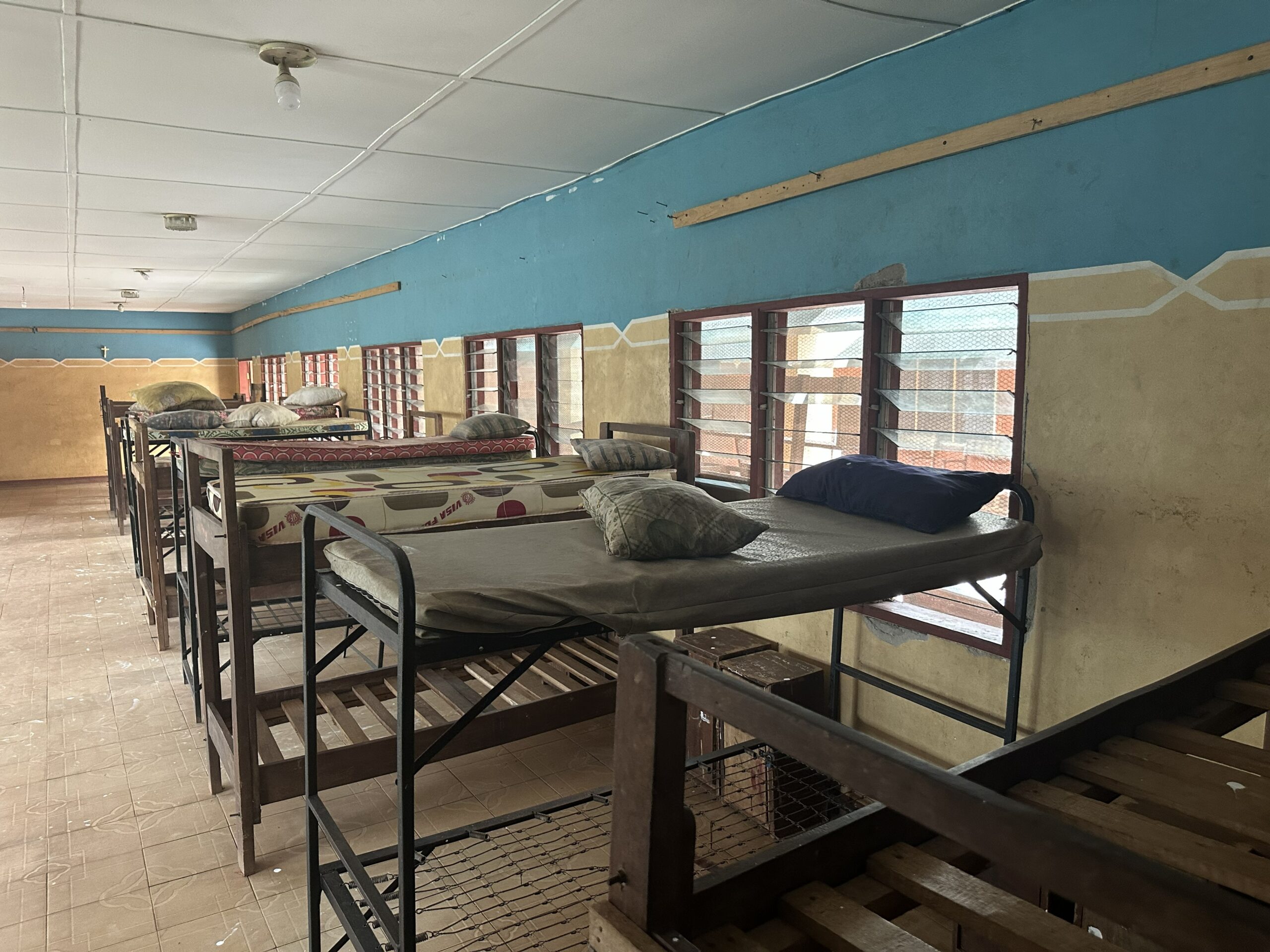
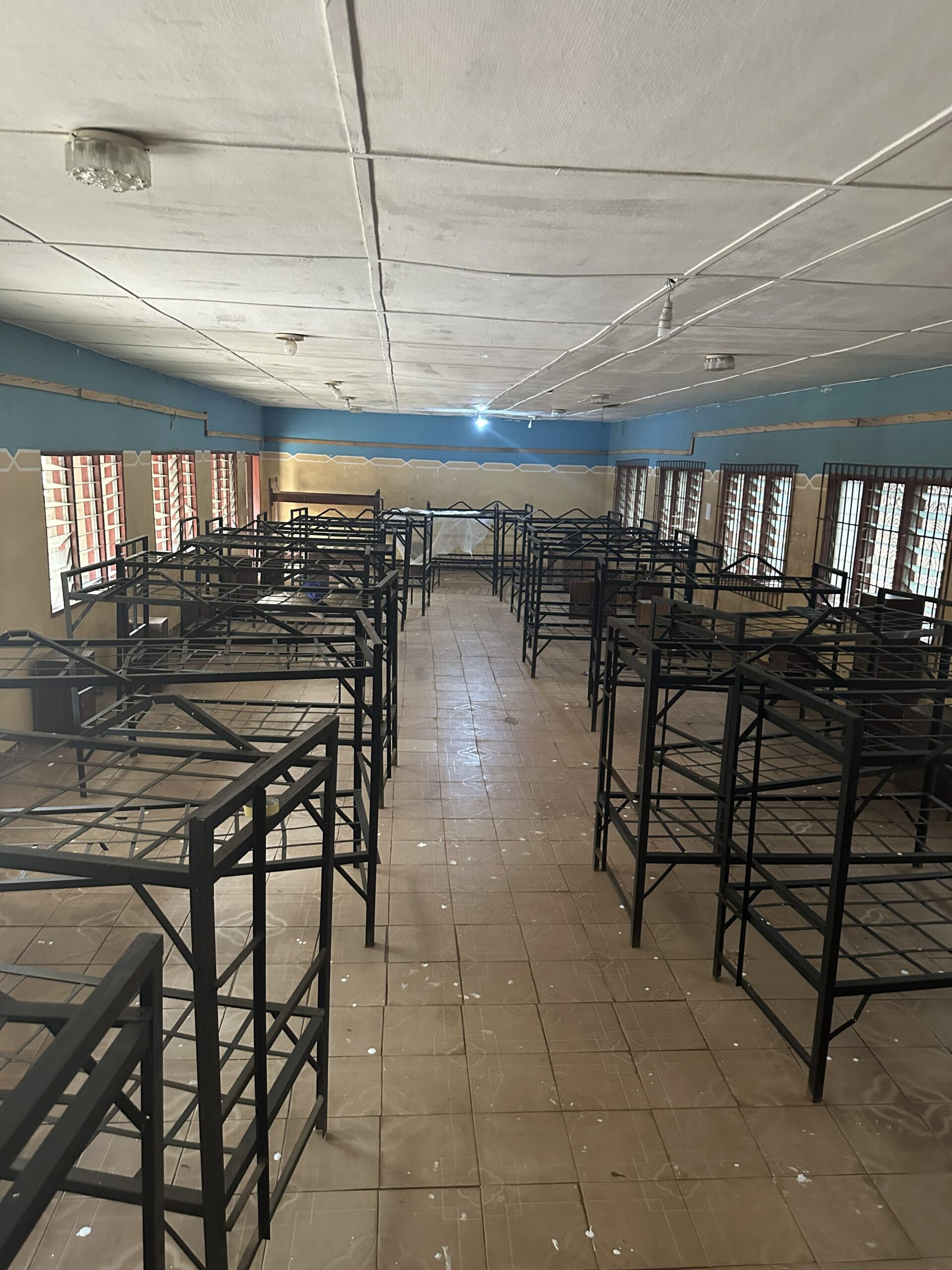
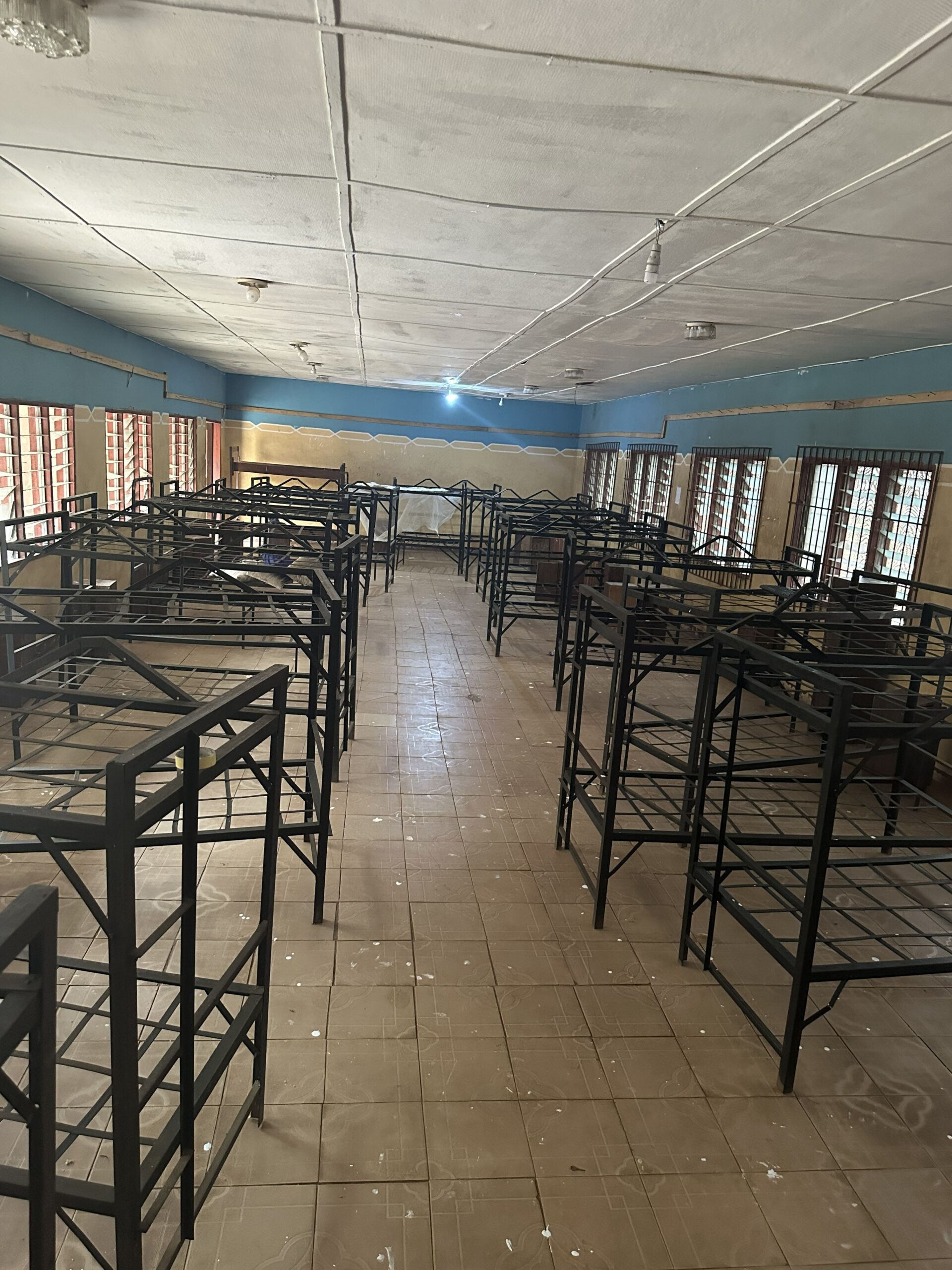
During discussions with the school’s leadership, the principal brought attention to the deteriorating condition of the girls’ hostel and appealed for assistance in rehabilitating the facility. While the boys’ hostel had already undergone renovation, the girls’ residential accommodation remained in poor condition, creating an unequal living environment within the same institution.
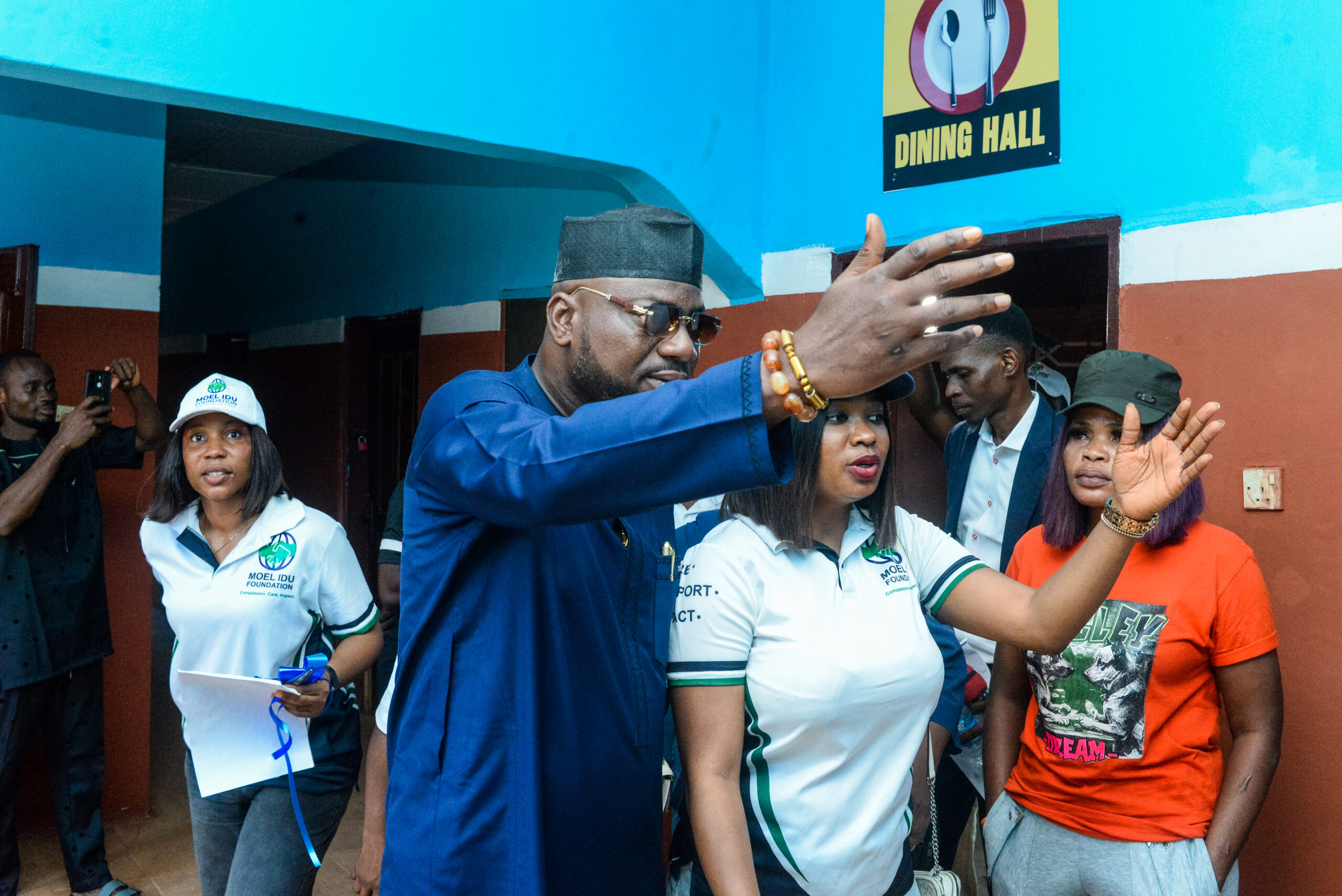
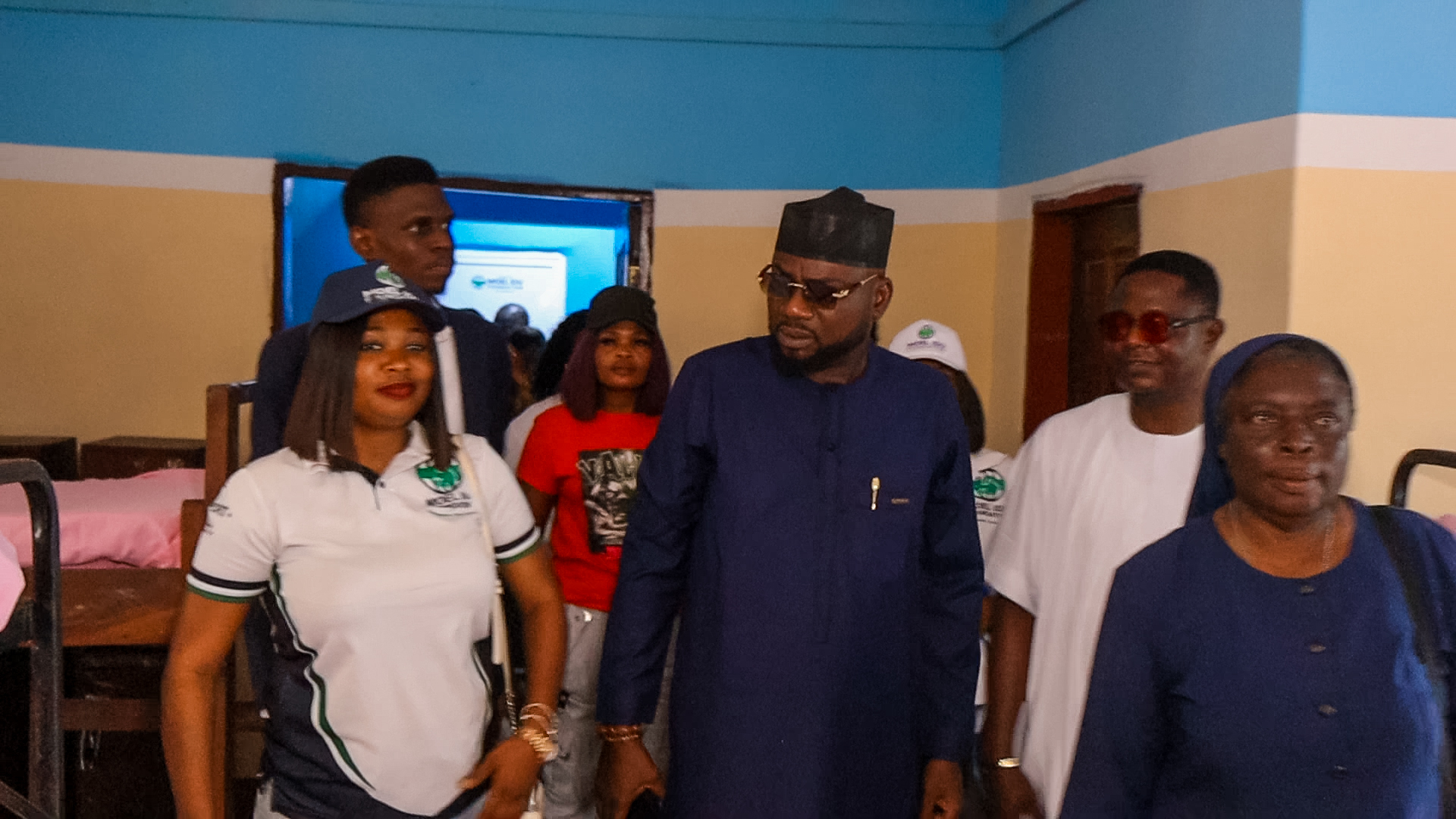
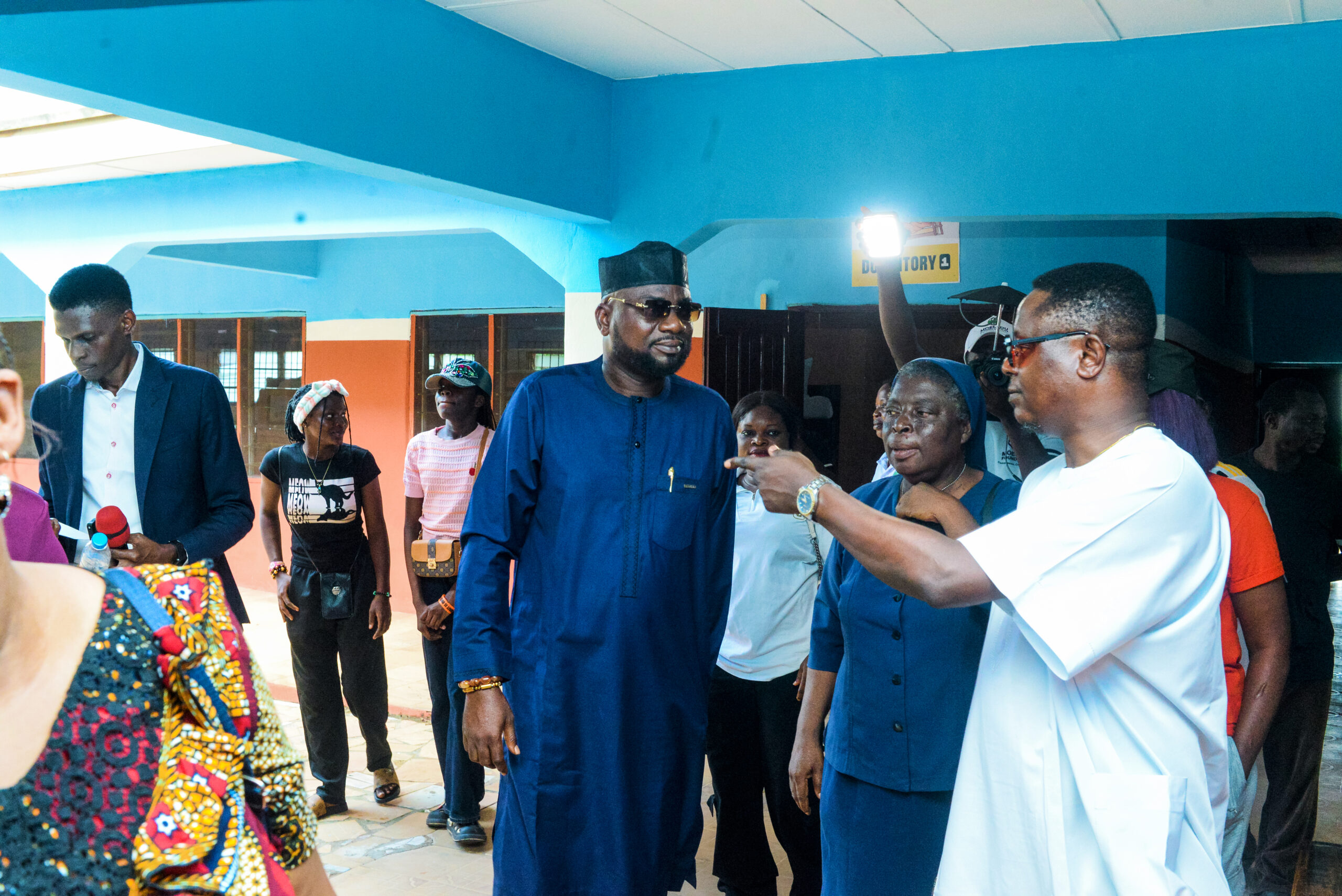
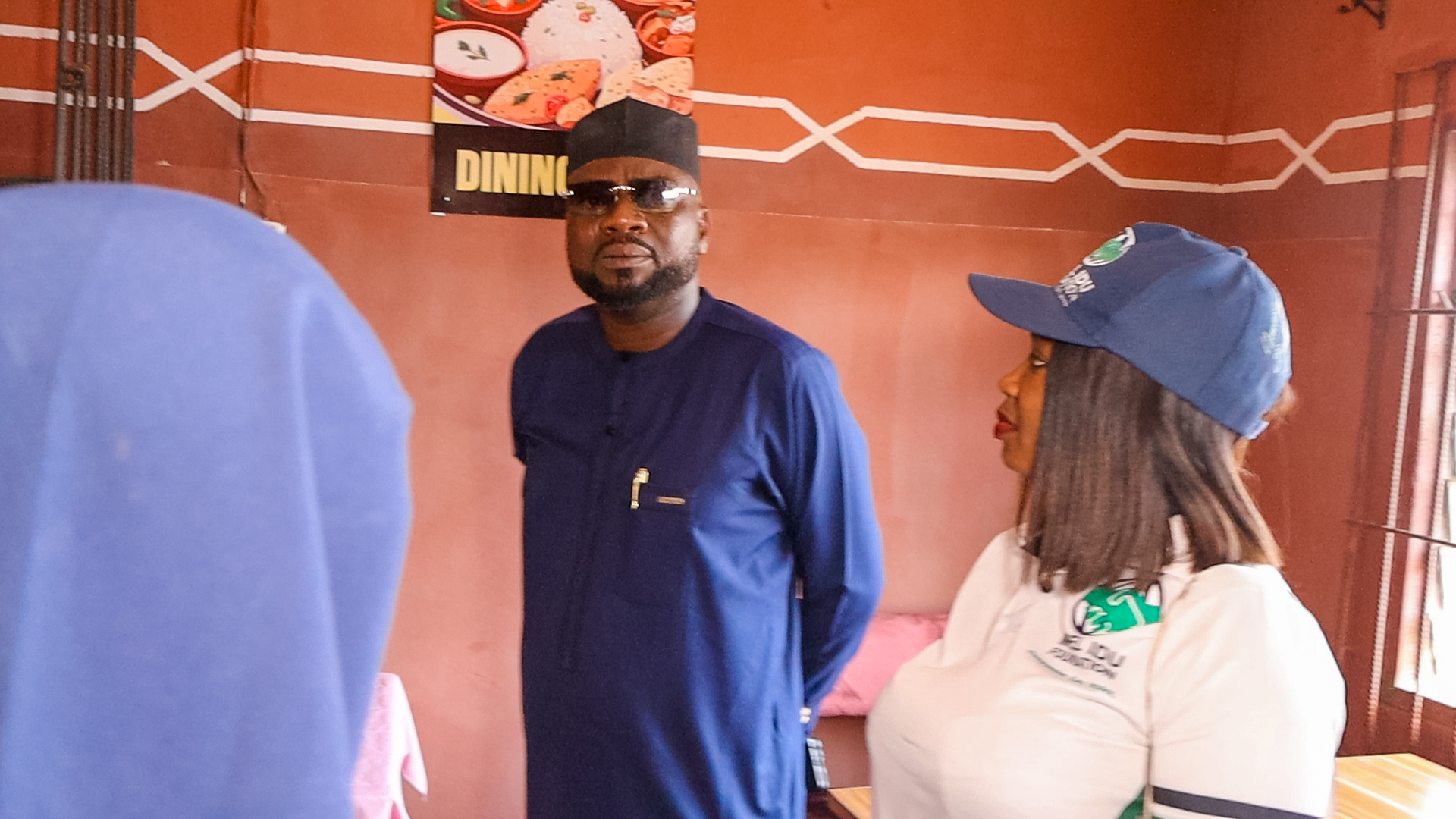
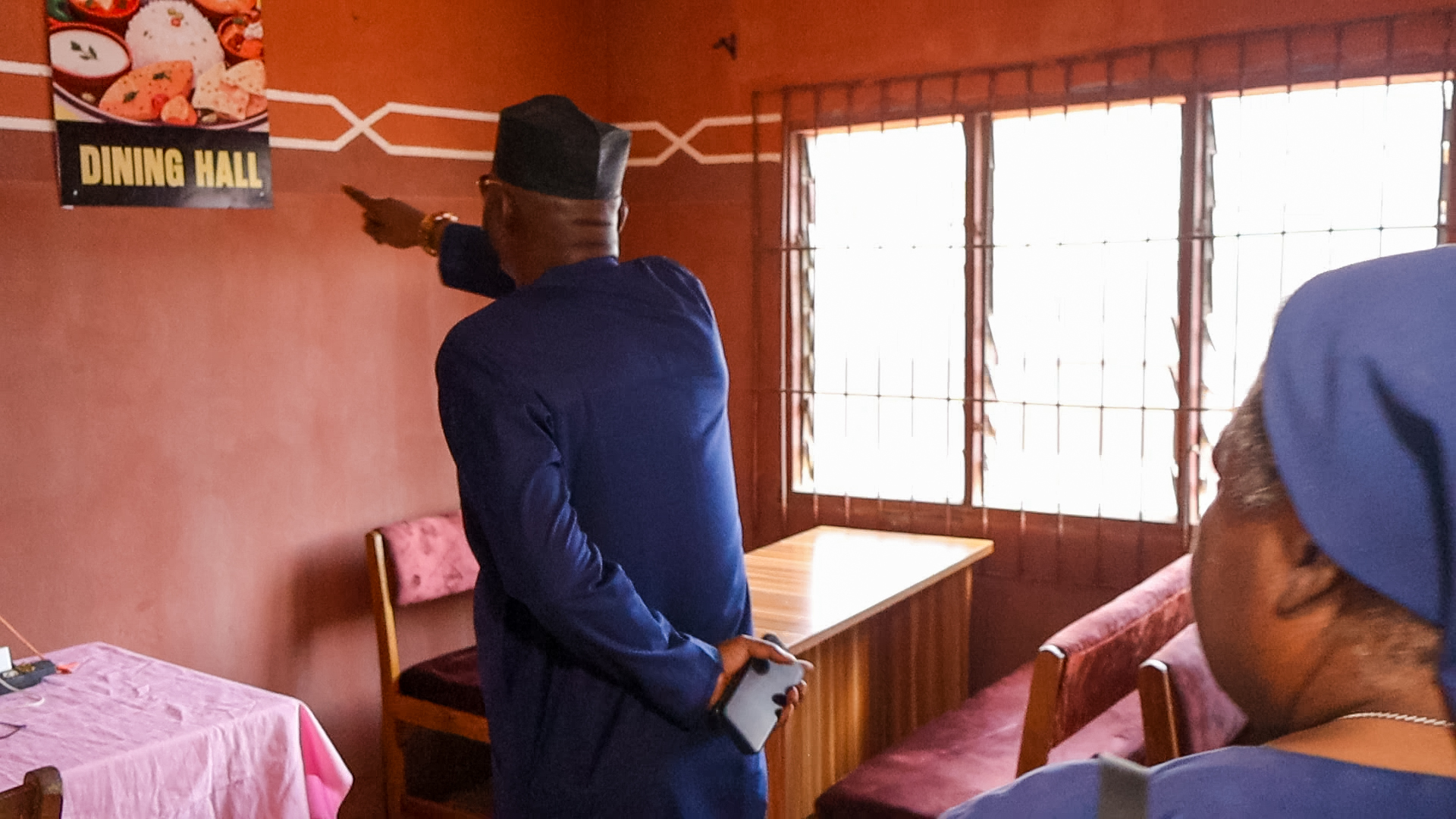
Following this request, representatives of the Moel Idu Foundation visited the girls’ hostel to assess its condition and better understand the challenges faced by the students.
What the team encountered highlighted the urgent need for intervention.
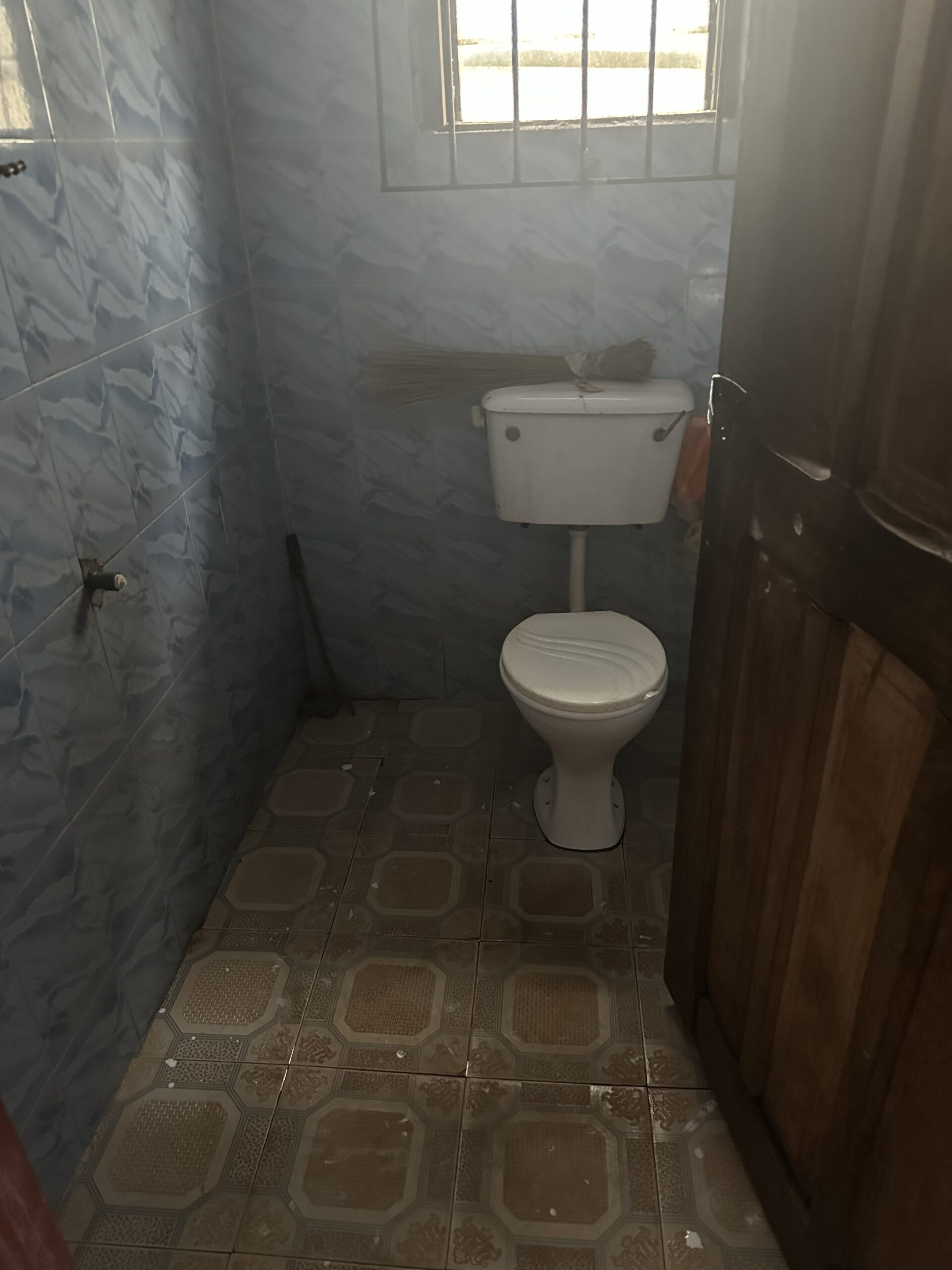
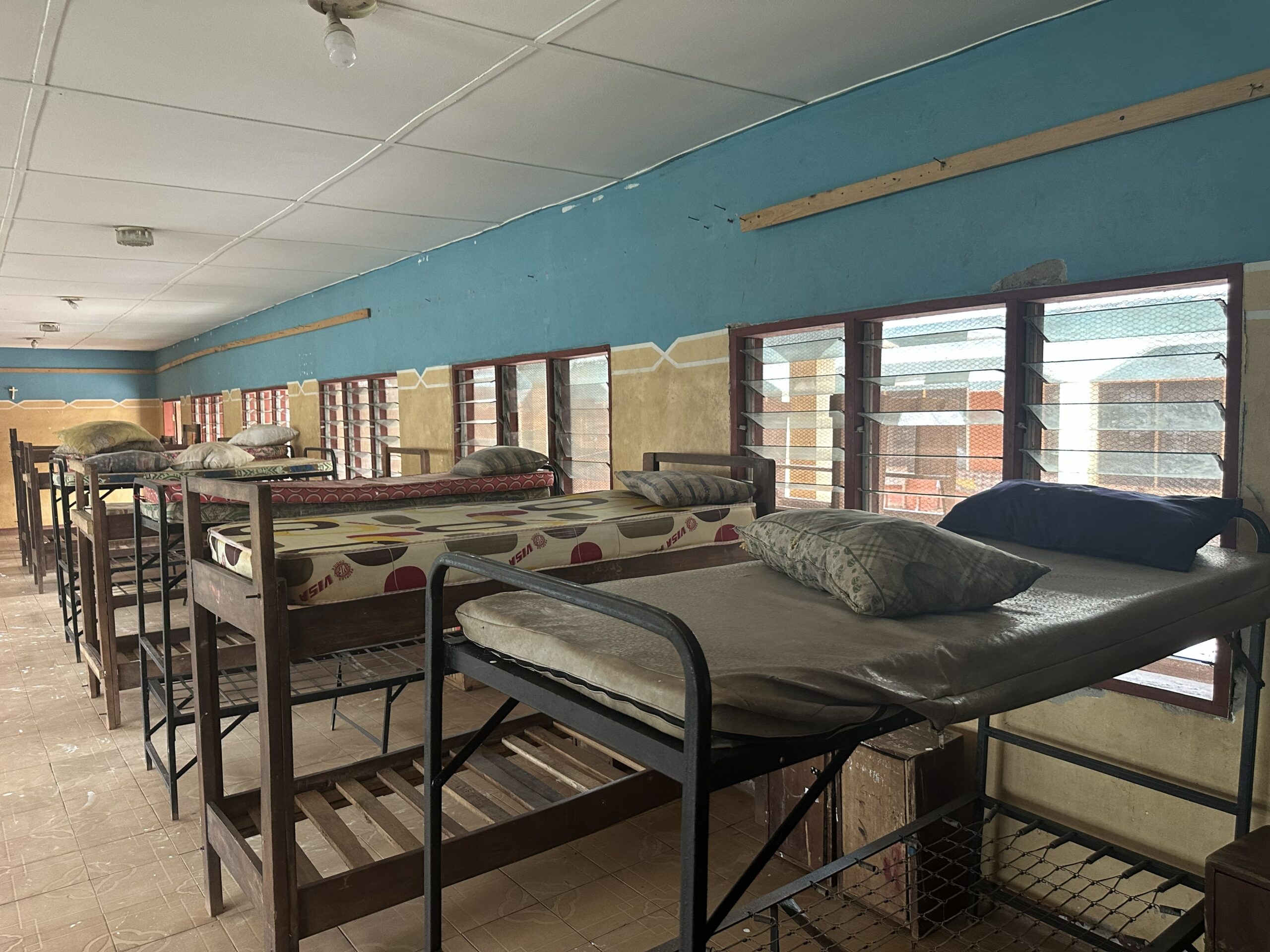
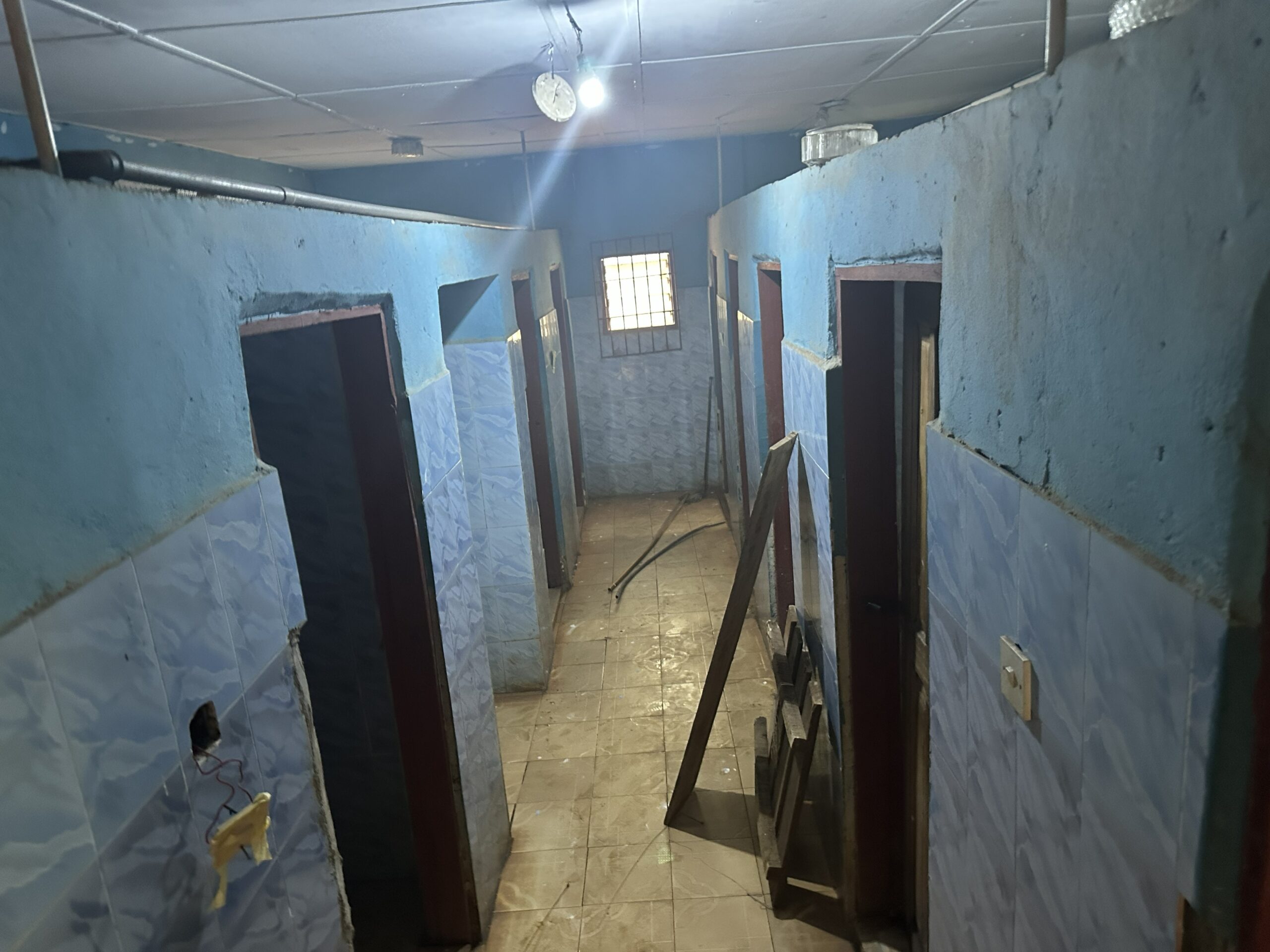
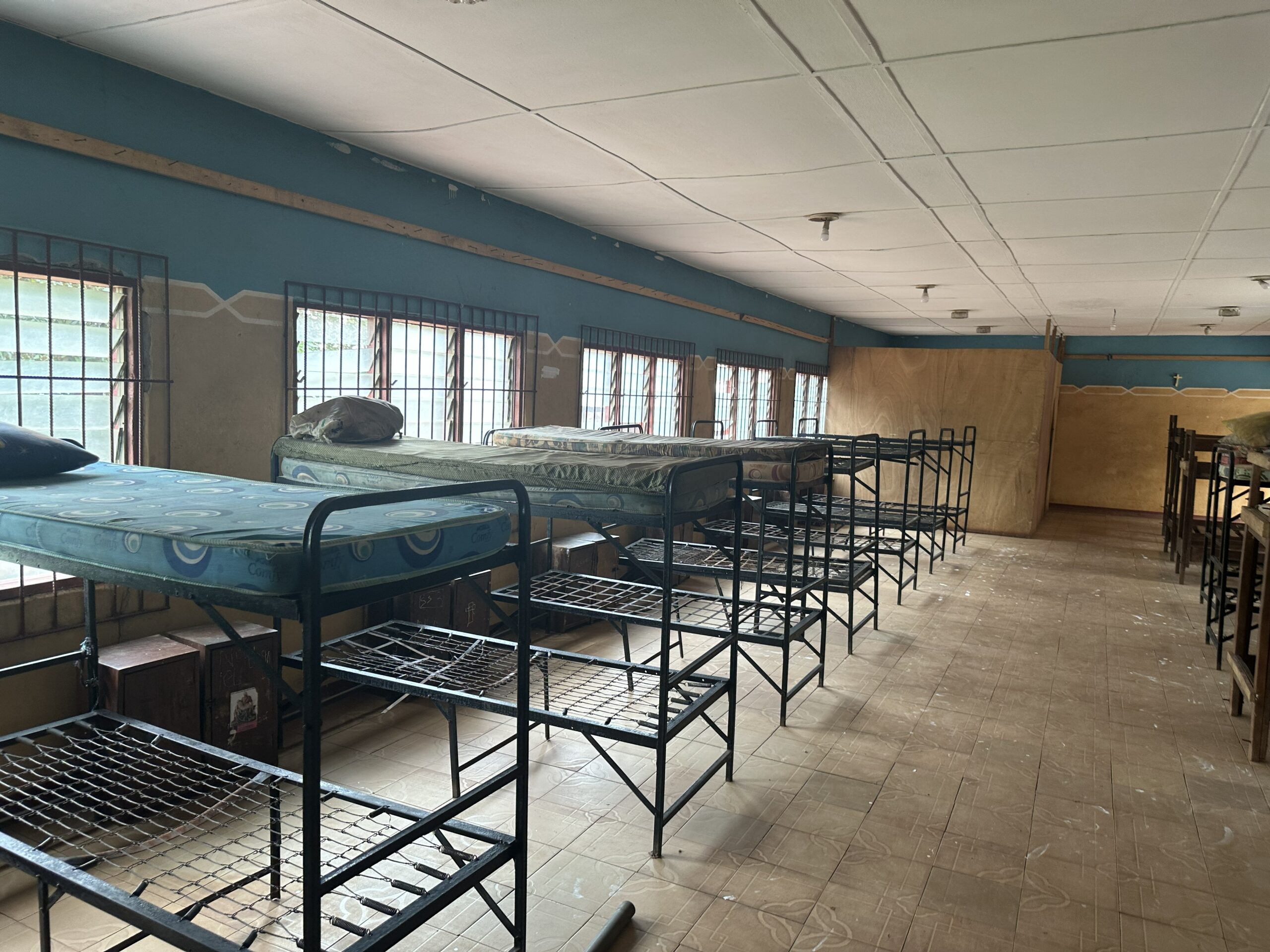
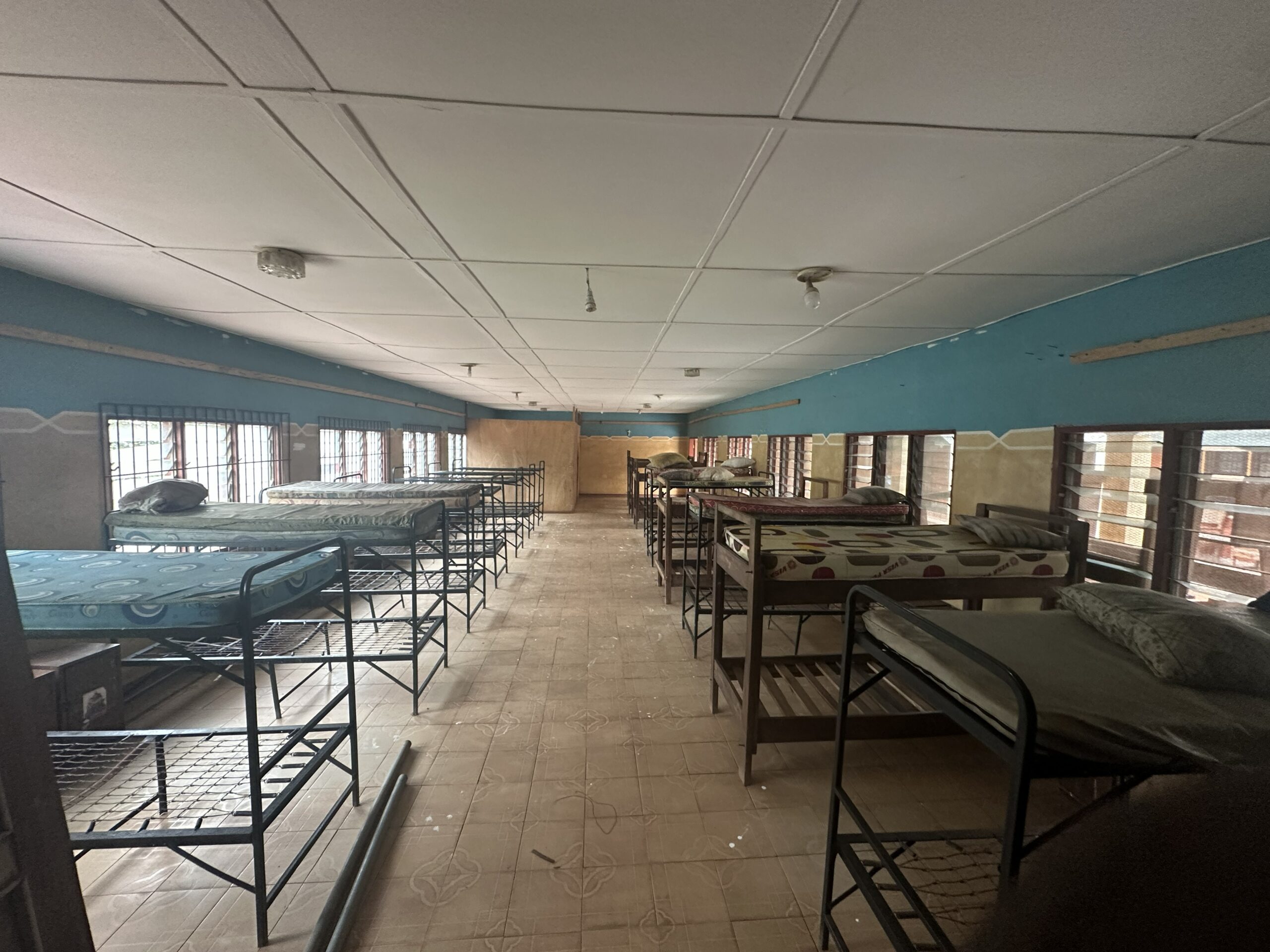
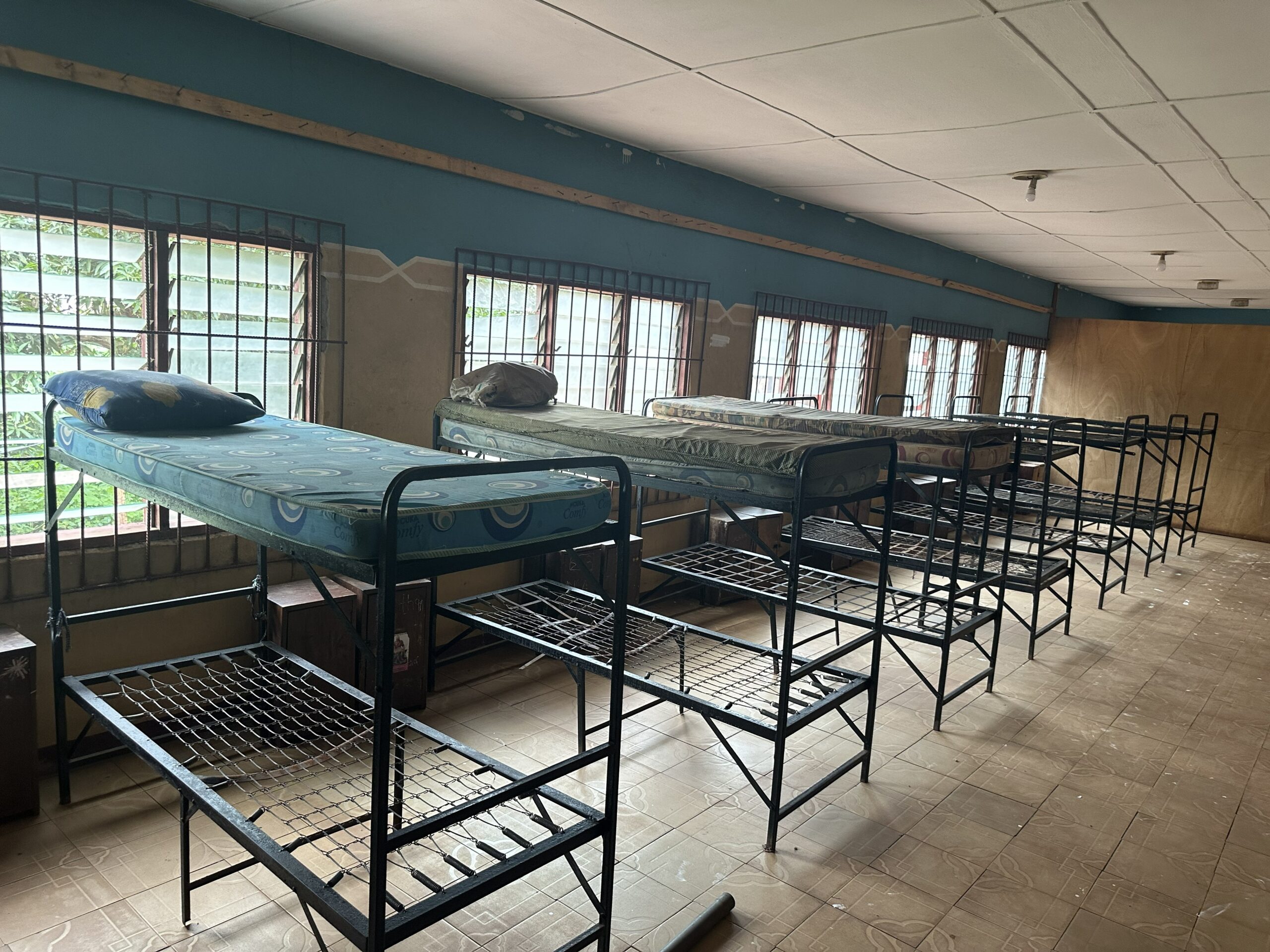
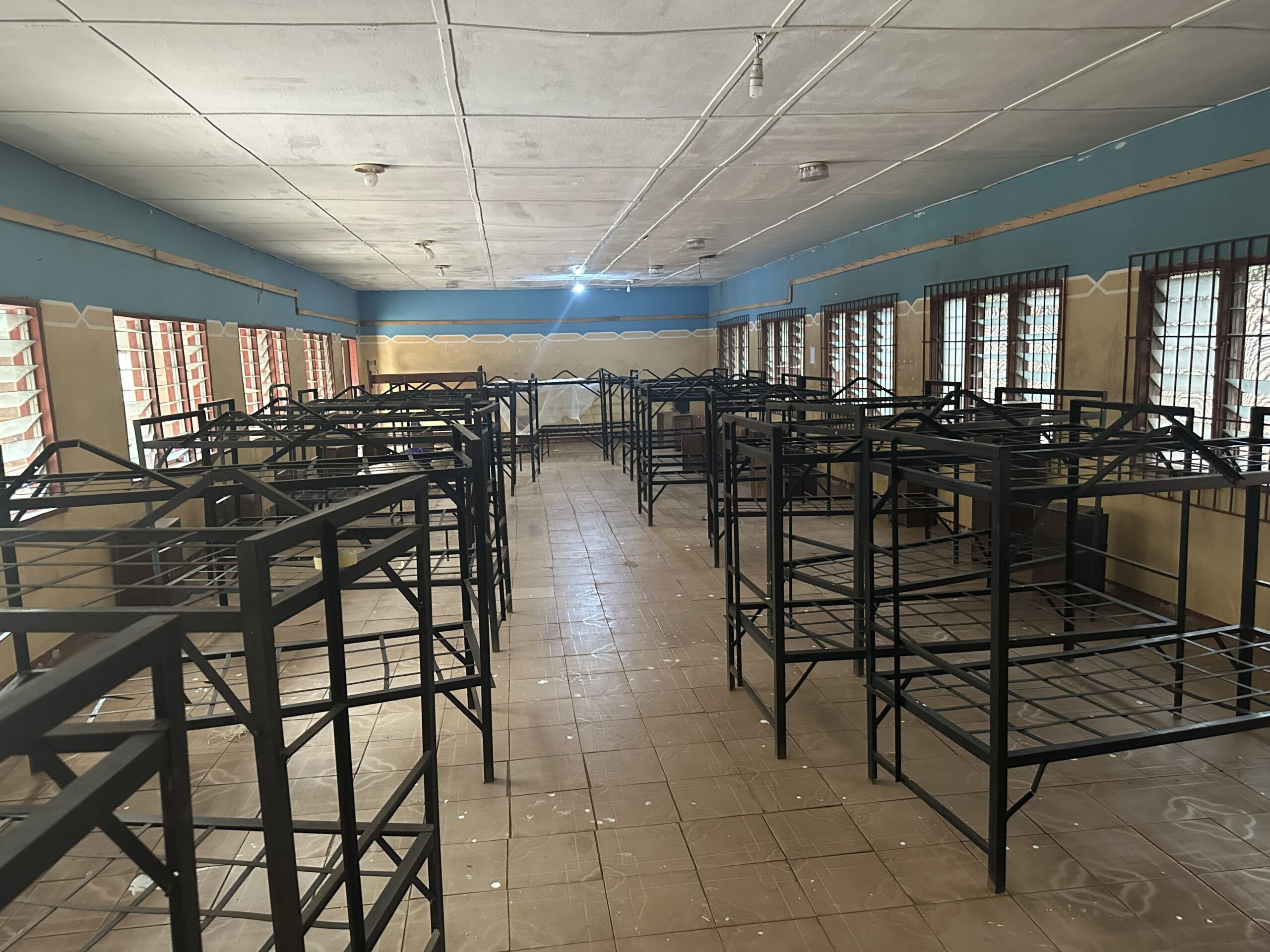
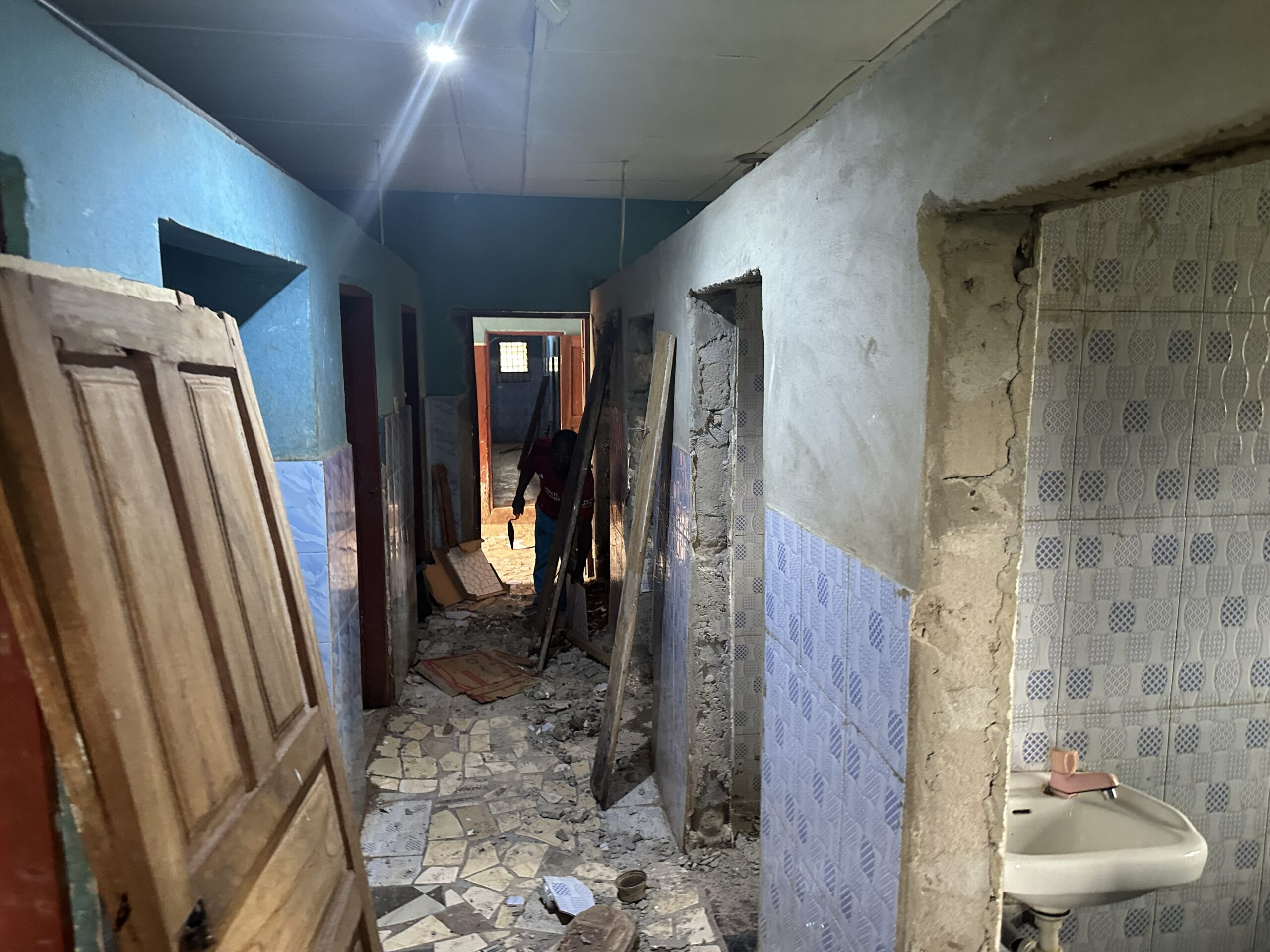
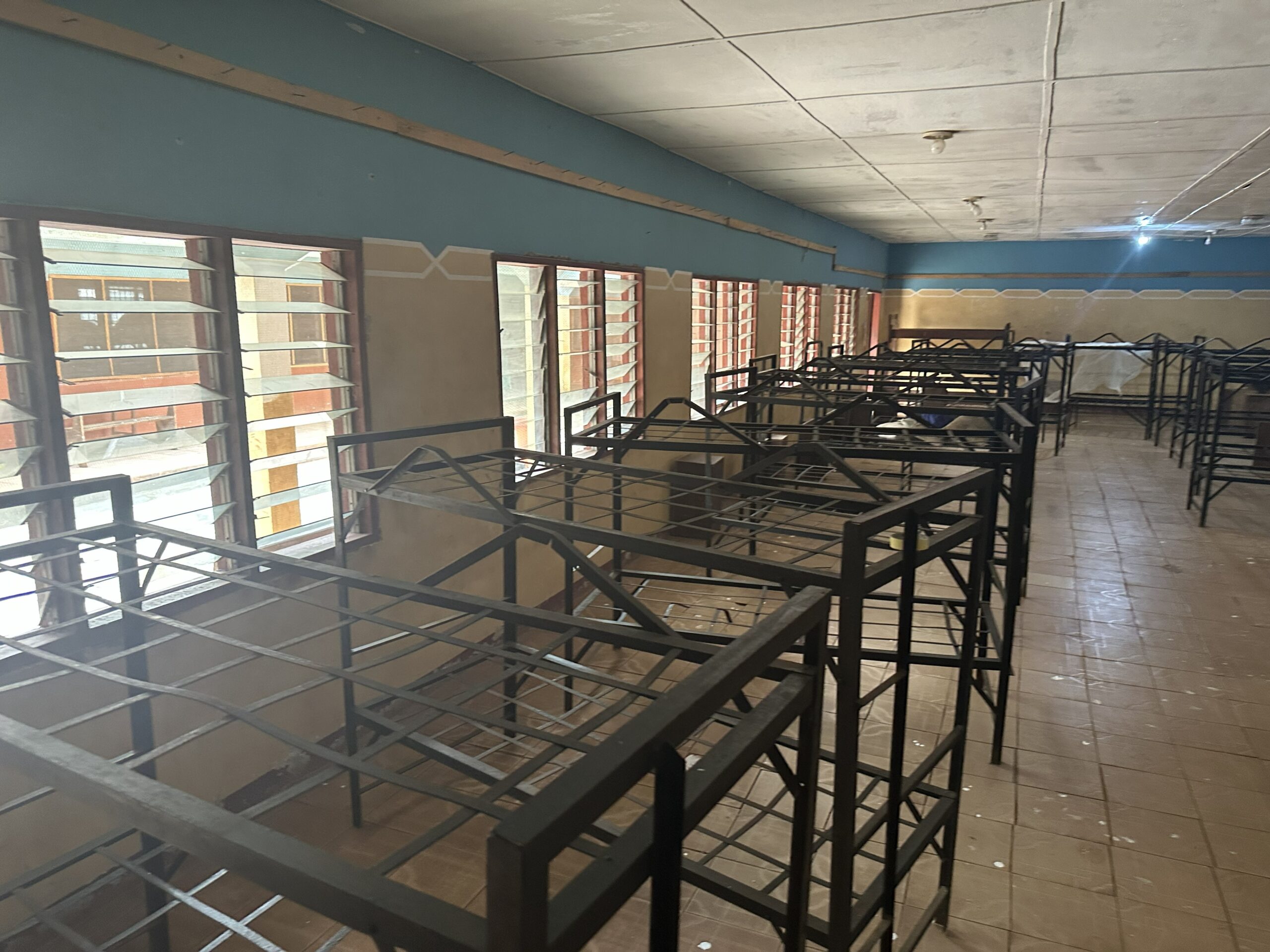
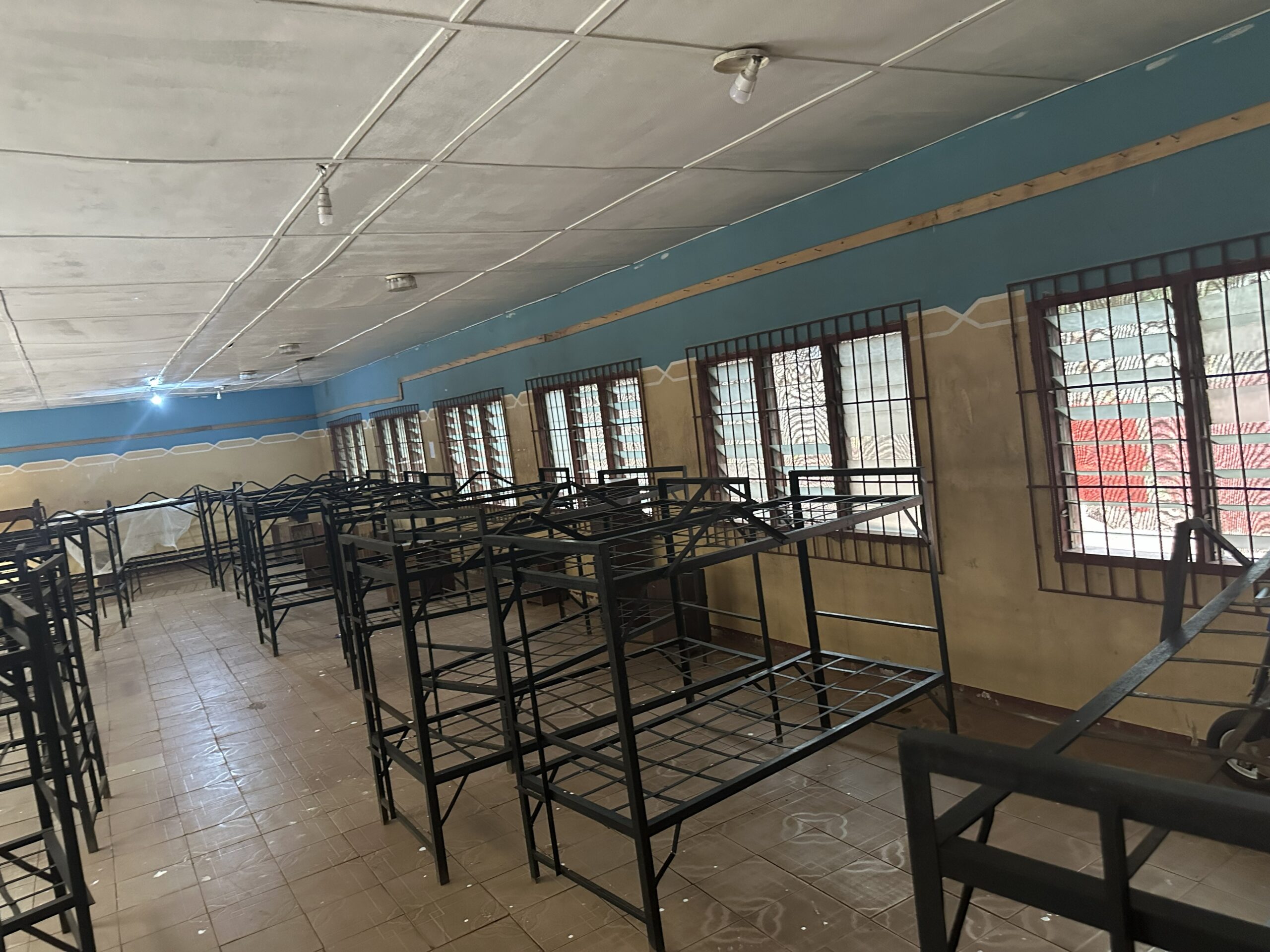
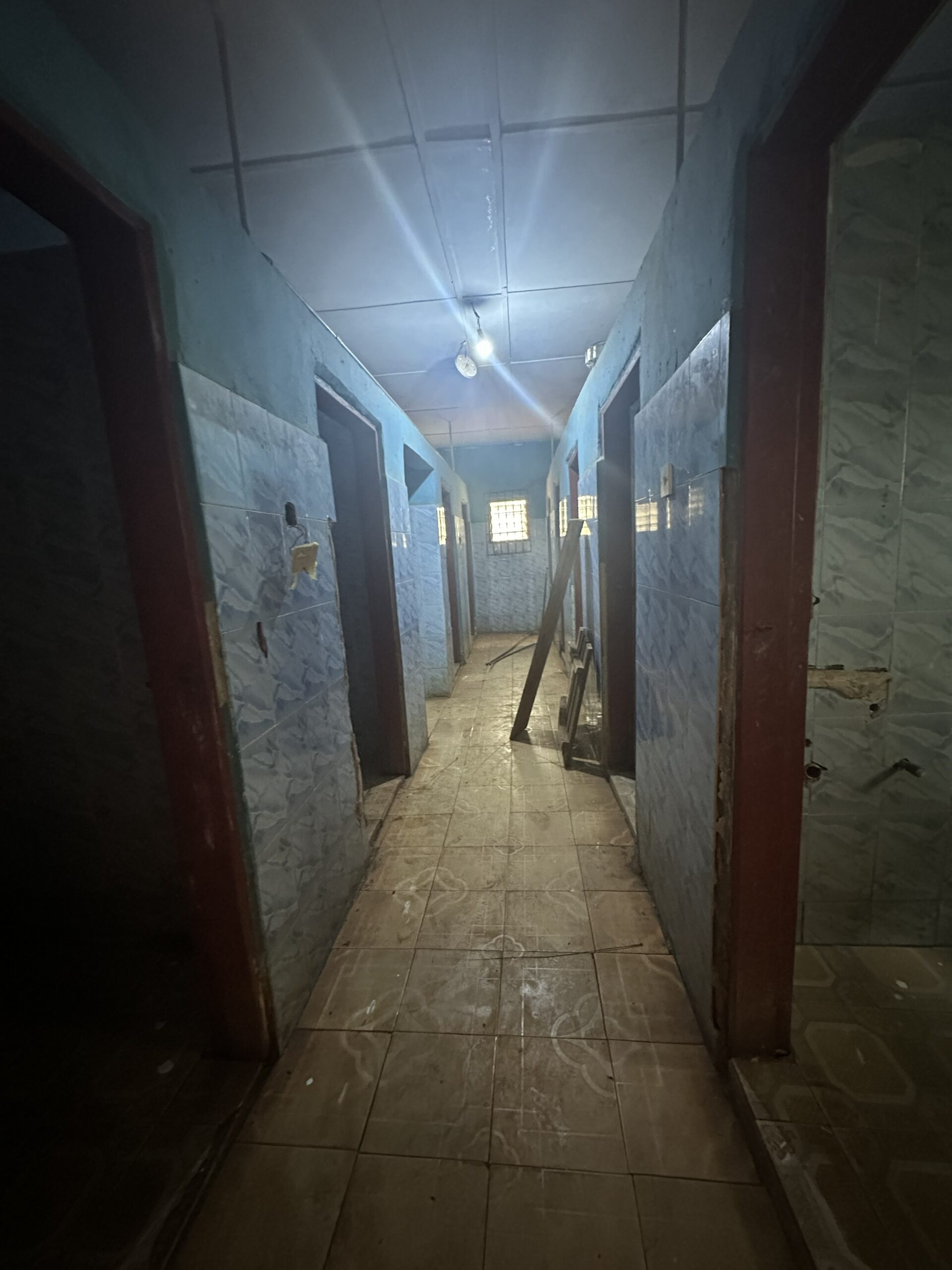
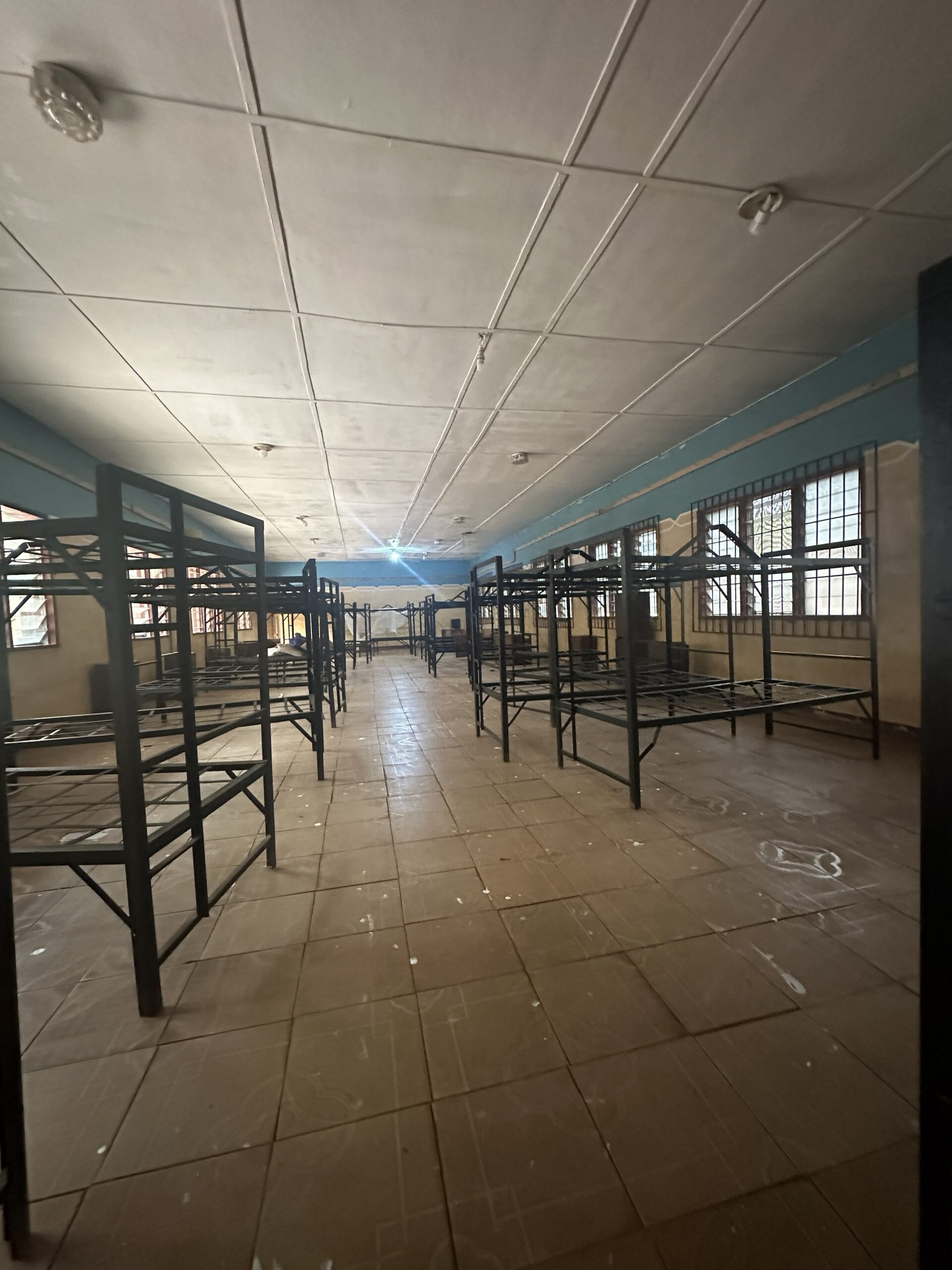
The hostel’s physical infrastructure had deteriorated significantly. Walls were cracked and damaged, interior surfaces required substantial repairs, and the sleeping areas lacked the quality of accommodation needed to support the girls’ everyday comfort and well-being.
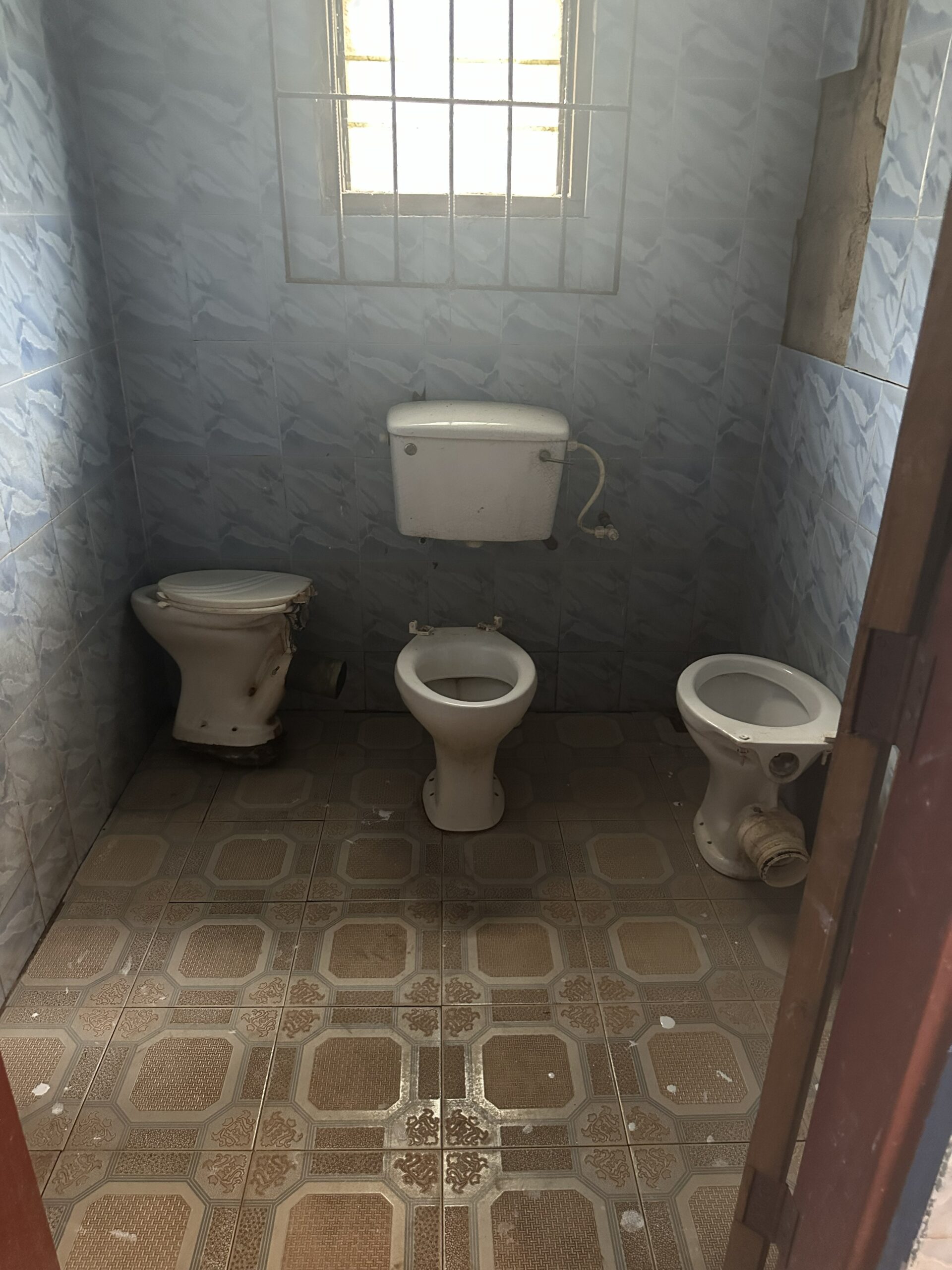
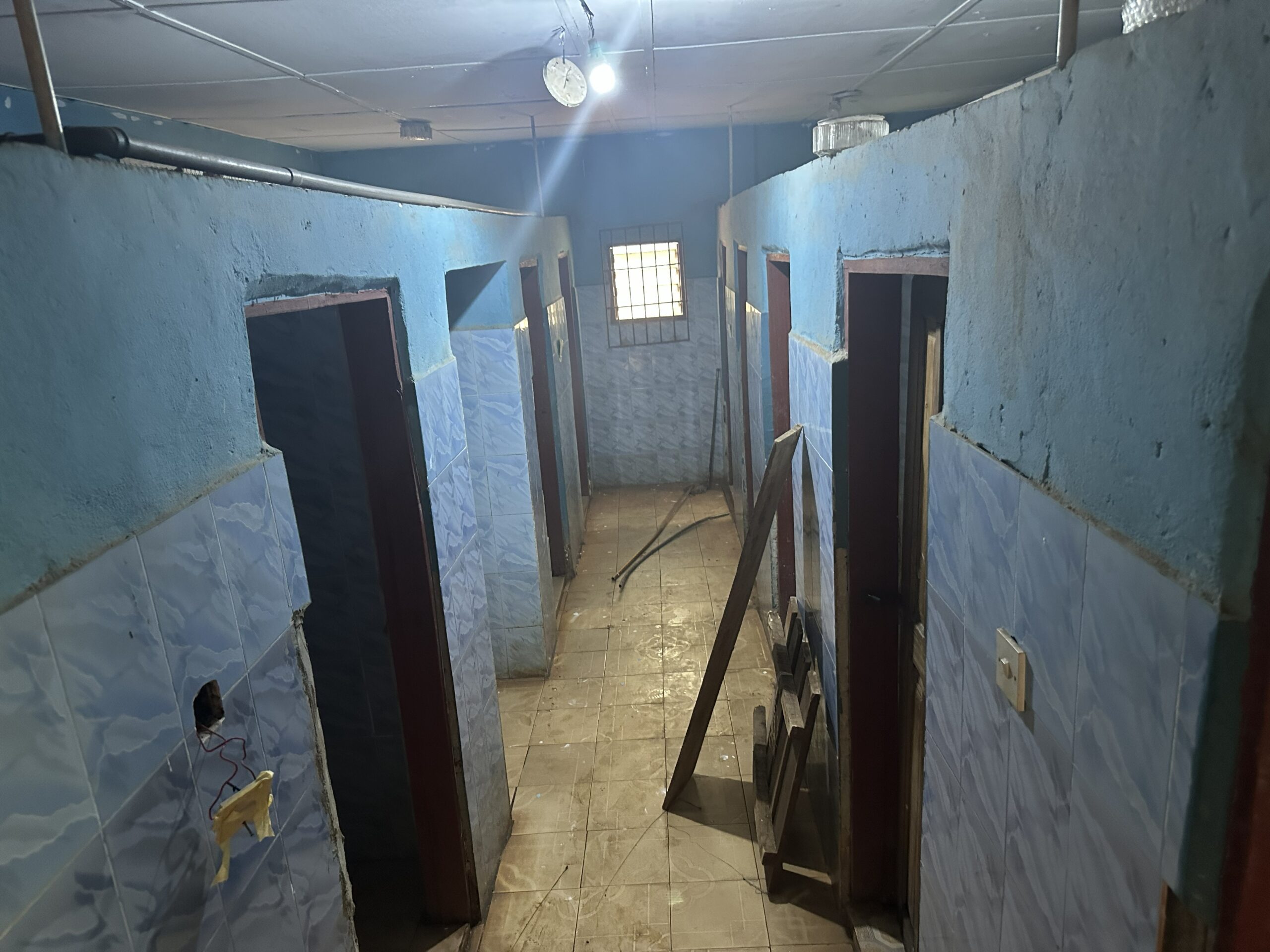
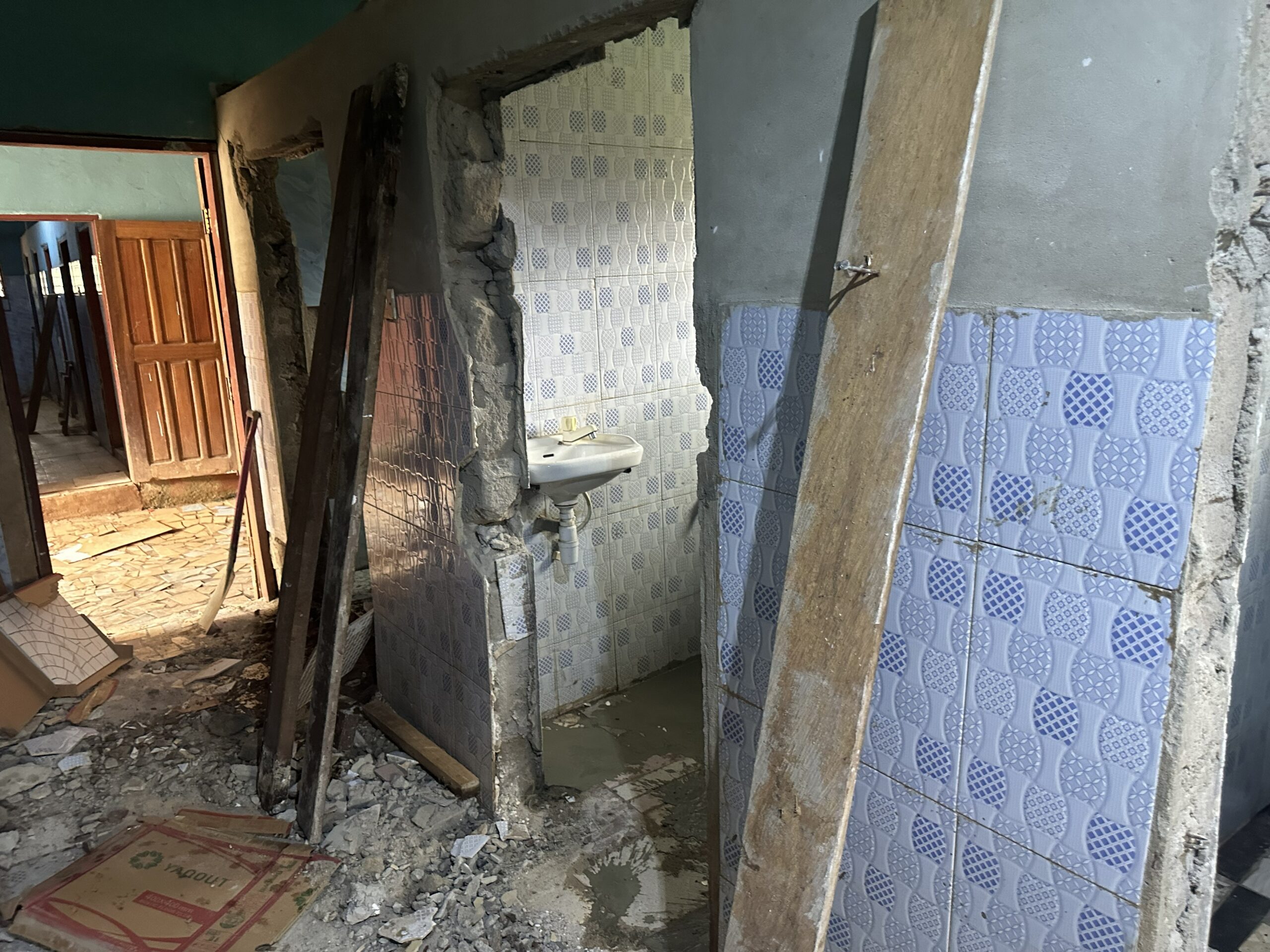
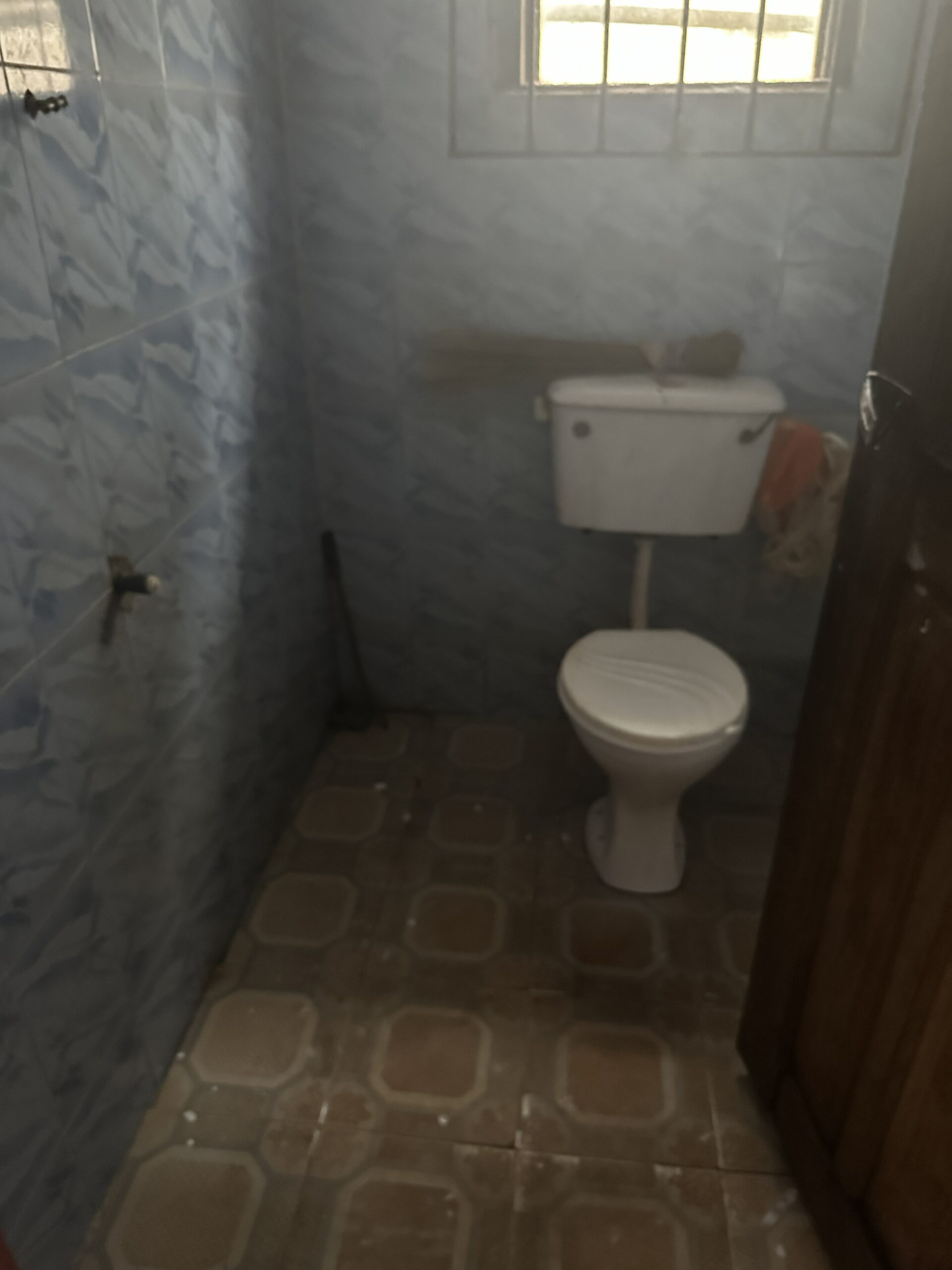
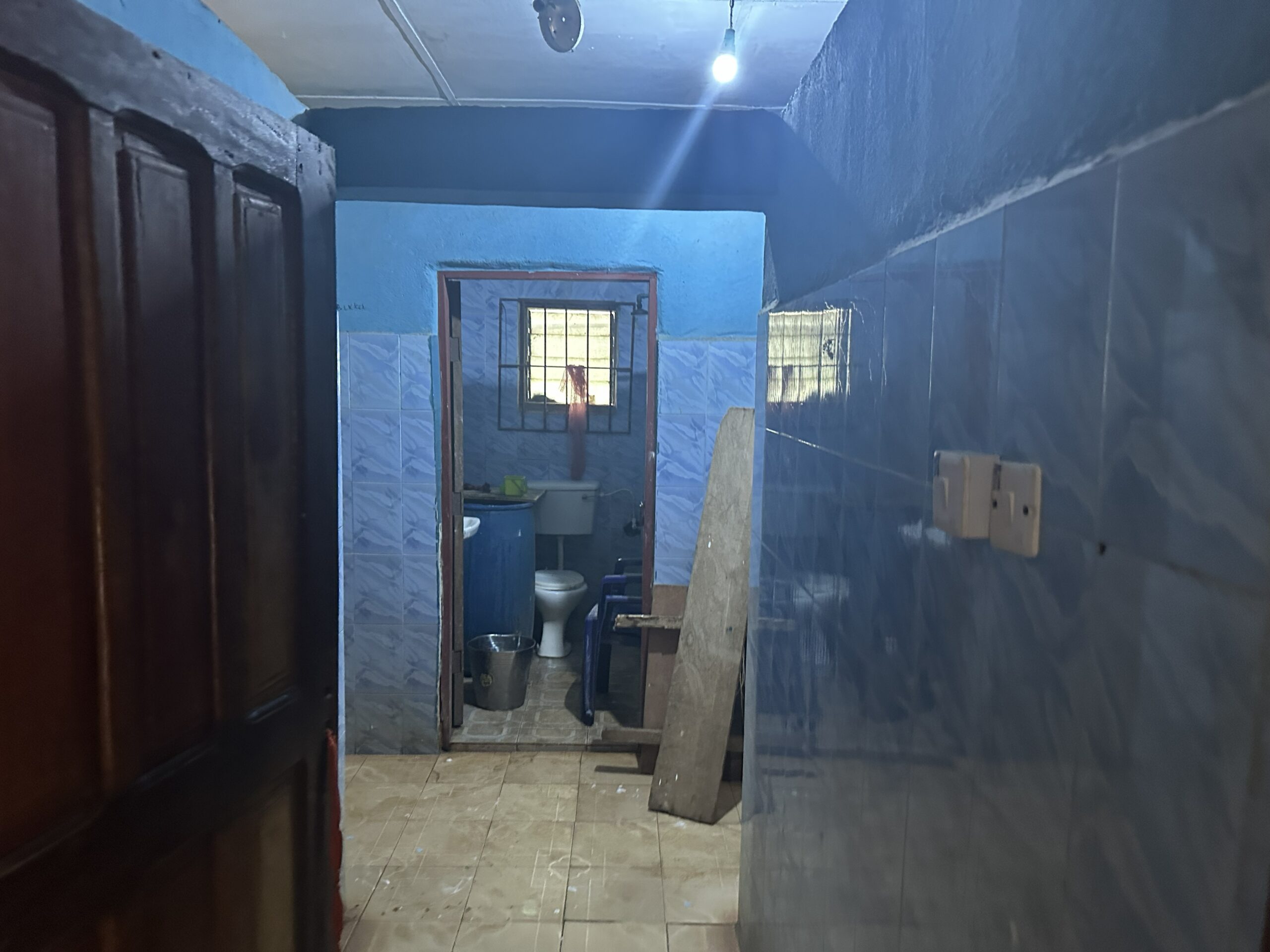
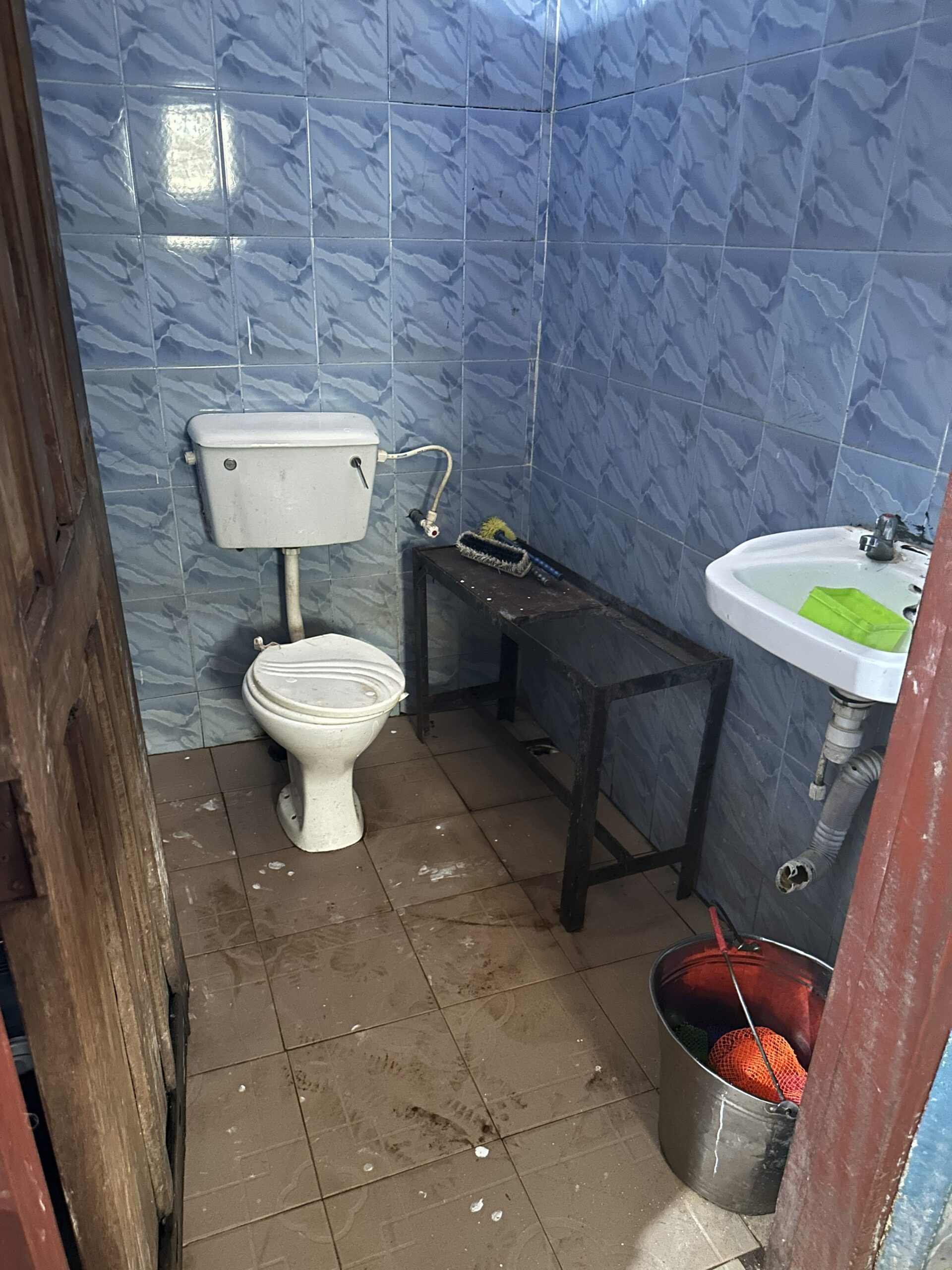
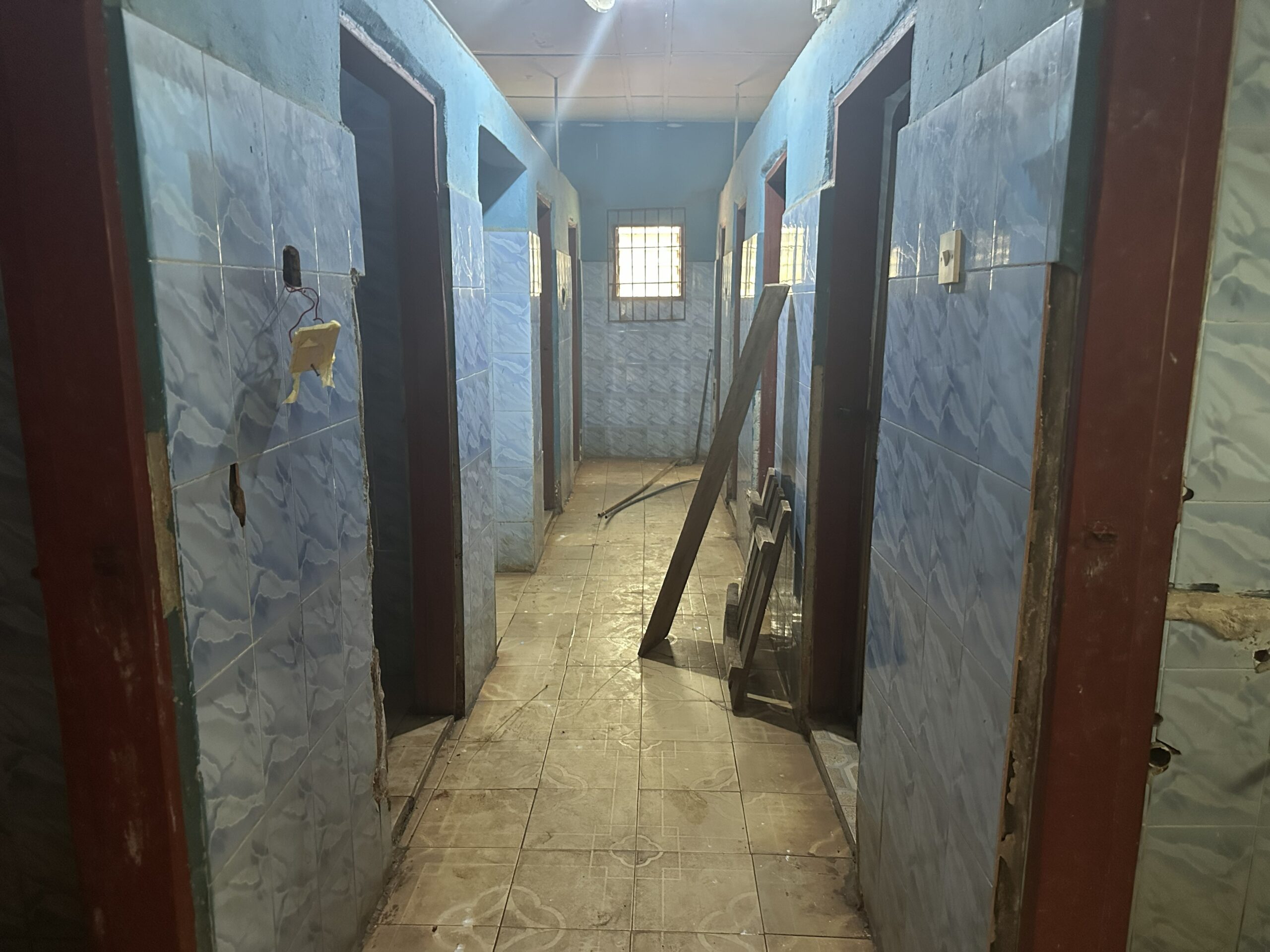
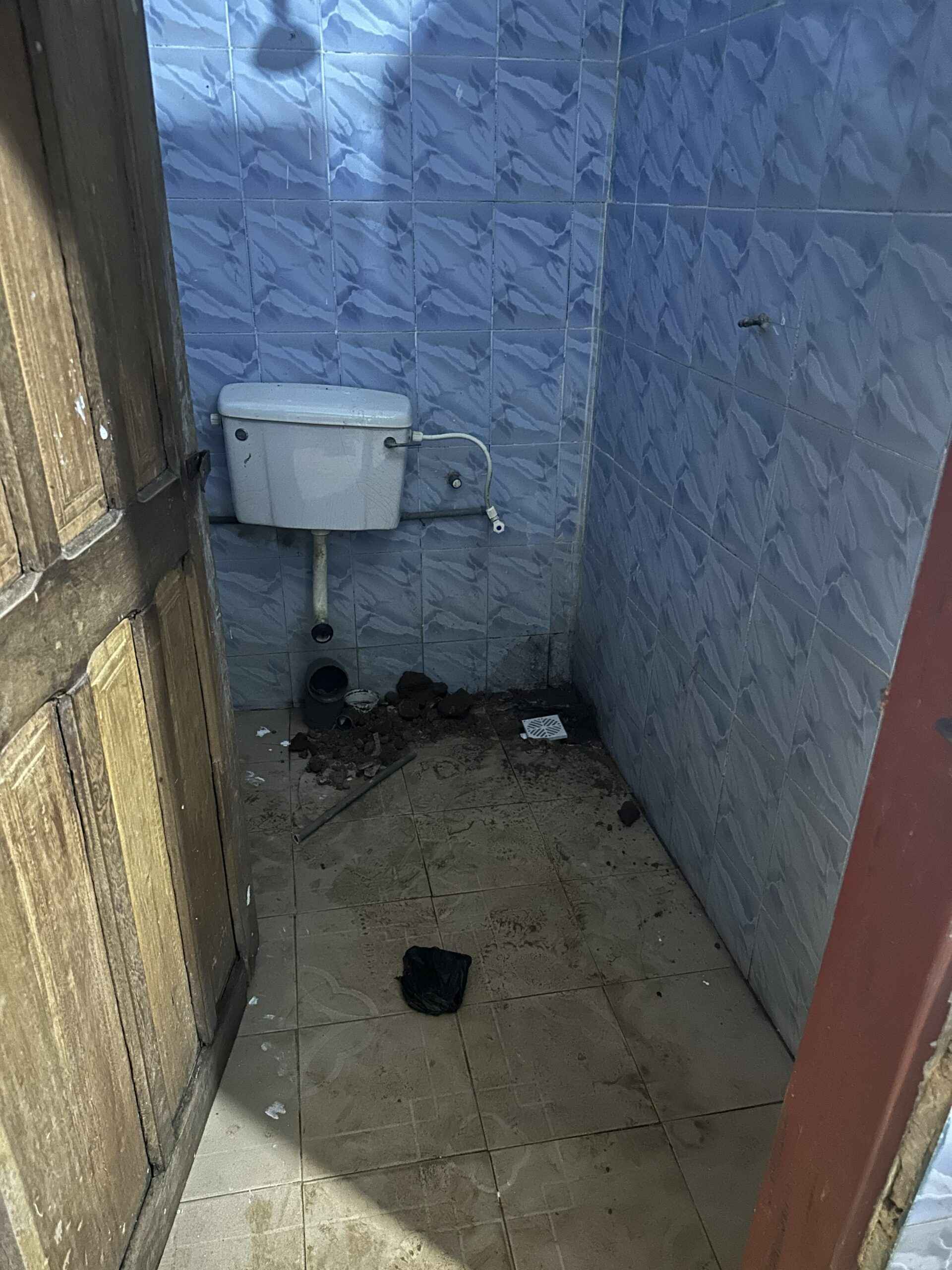
The bathrooms and toilet facilities were also in poor condition, with deteriorated surfaces, inadequate fixtures and sanitation infrastructure requiring replacement and refurbishment. The condition of the hostel’s doors, walls and general interior further demonstrated the need for comprehensive rehabilitation.
For the girls living in the facility, these were not simply maintenance issues. They were conditions affecting some of the most basic aspects of daily life: sleeping, bathing, personal hygiene, privacy, safety and the ability to return from school activities to a comfortable place of rest.
The situation was particularly concerning because the hostel accommodates girls with disabilities, some of whom may require additional support to navigate their living environment and carry out daily activities.
The Foundation recognized that disability should never be a reason for any child to live in conditions that compromise their dignity, comfort or well-being.
Furthermore, the disparity between the renovated boys’ hostel and the deteriorating girls’ accommodation highlighted an important issue of equity. Female learners deserved access to the same standard of safe, functional and supportive residential facilities as their male counterparts.
Having witnessed these conditions firsthand, the Moel Idu Foundation committed to returning to the school to address the identified needs.
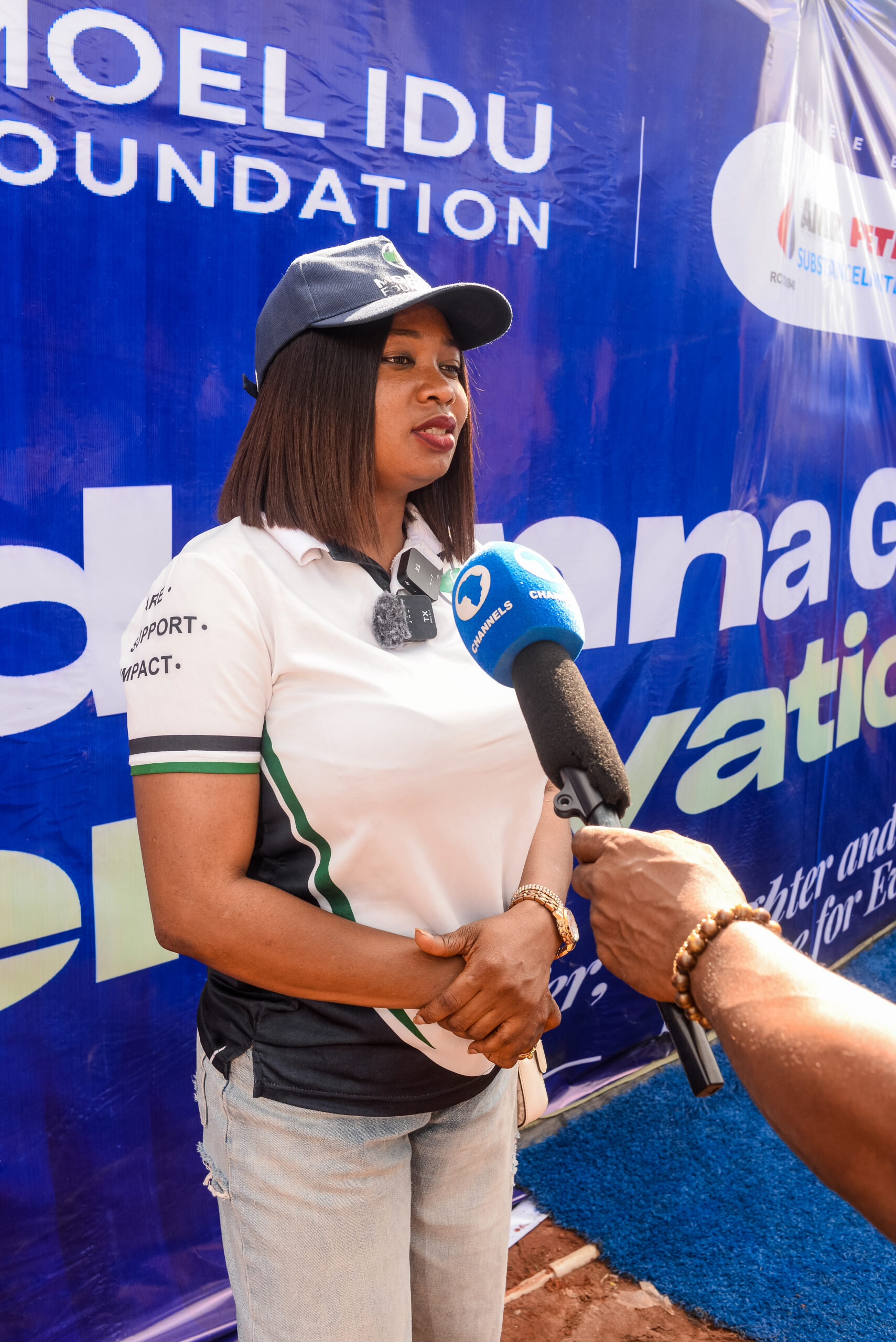
This decision reflected the Foundation’s community-centred approach to development: engaging directly with beneficiaries, listening to institutional and community leadership, identifying practical challenges, and developing interventions that respond to the needs expressed by the people affected.
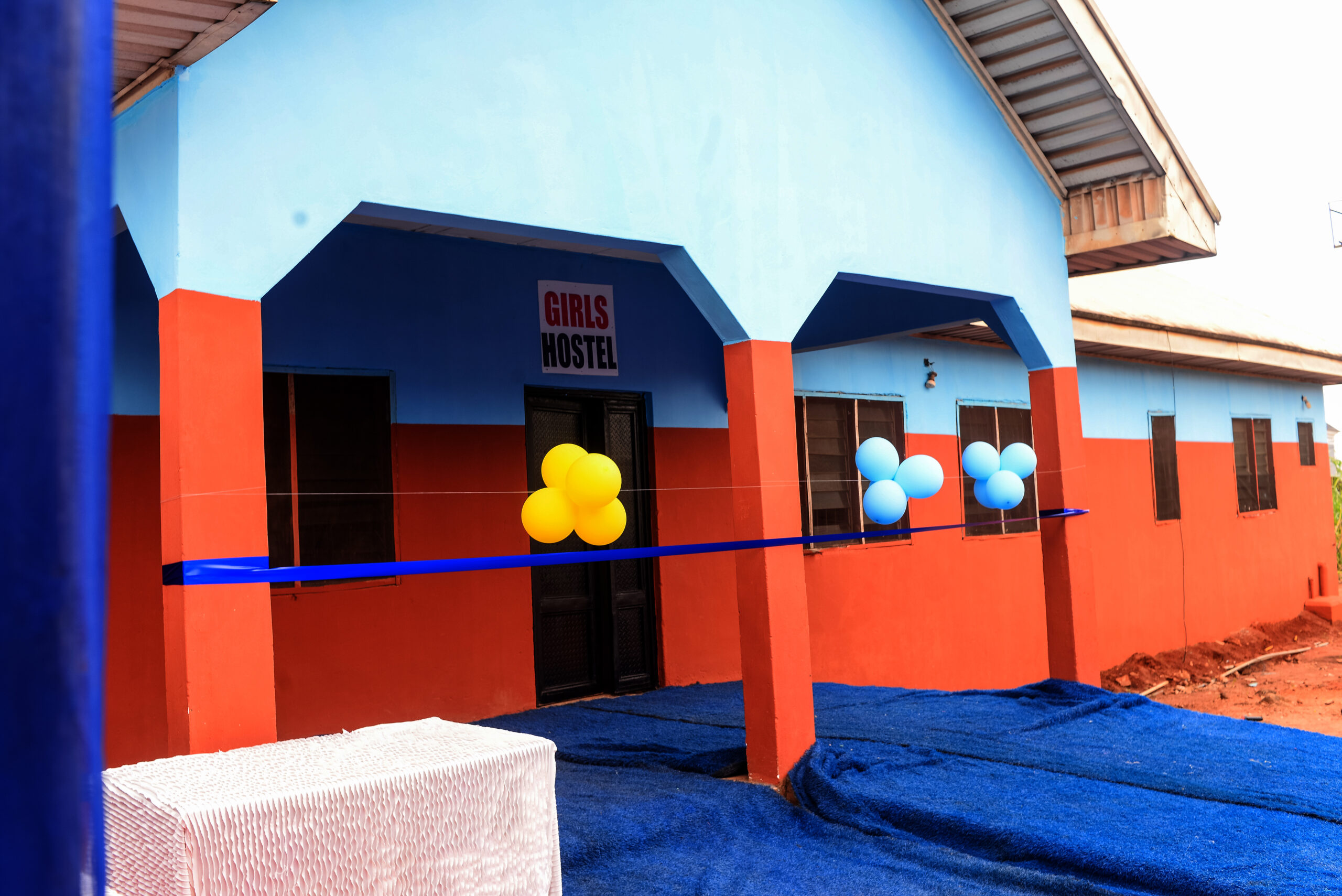
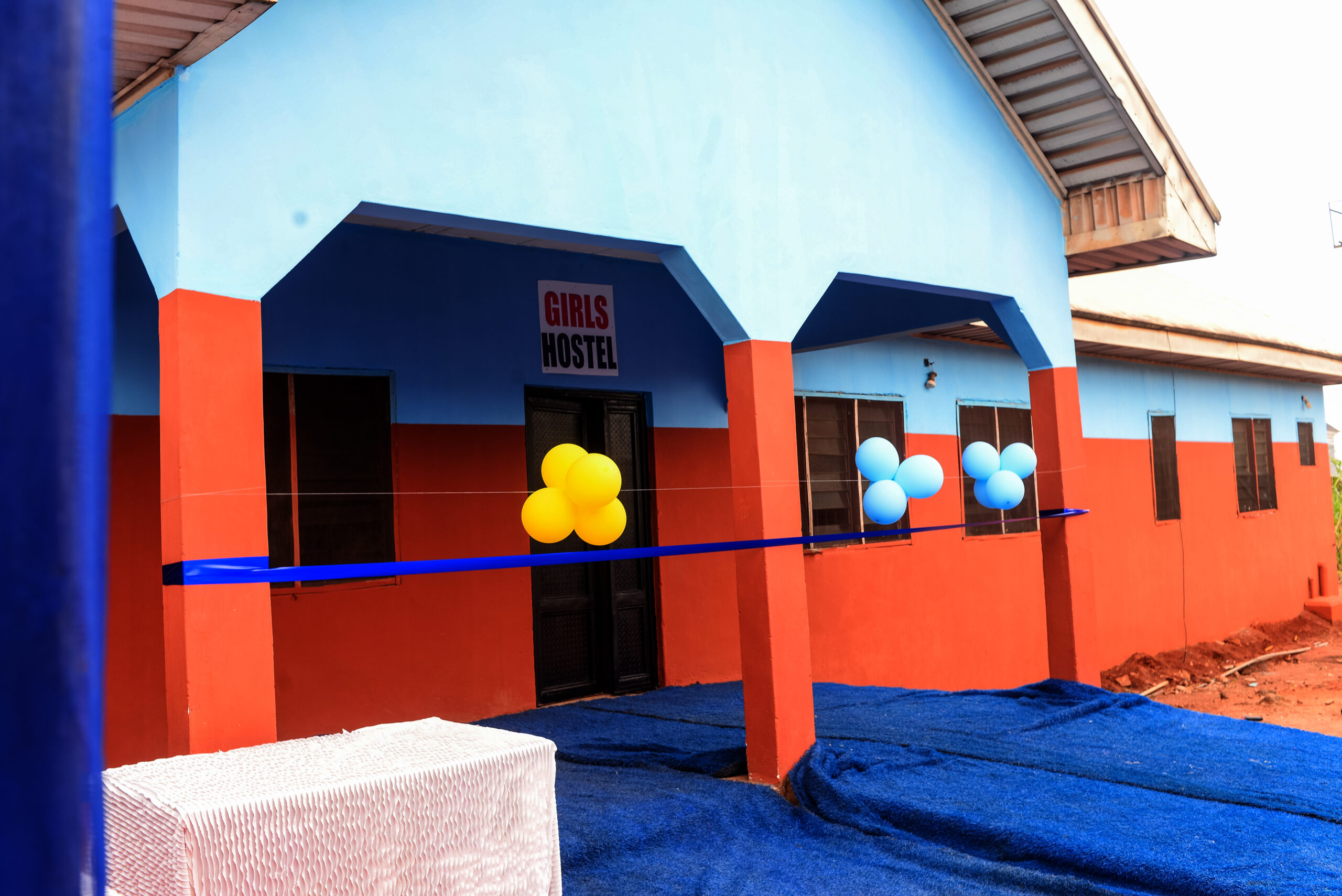
In September 2026, the Foundation fulfilled that commitment through the implementation of the Madonna Girls’ Hostel Renovation Project, a comprehensive infrastructure rehabilitation initiative aimed at transforming the girls’ residential environment into a safer, cleaner, more functional and more dignified living space.
The renovation addressed both structural deterioration and essential accommodation needs.
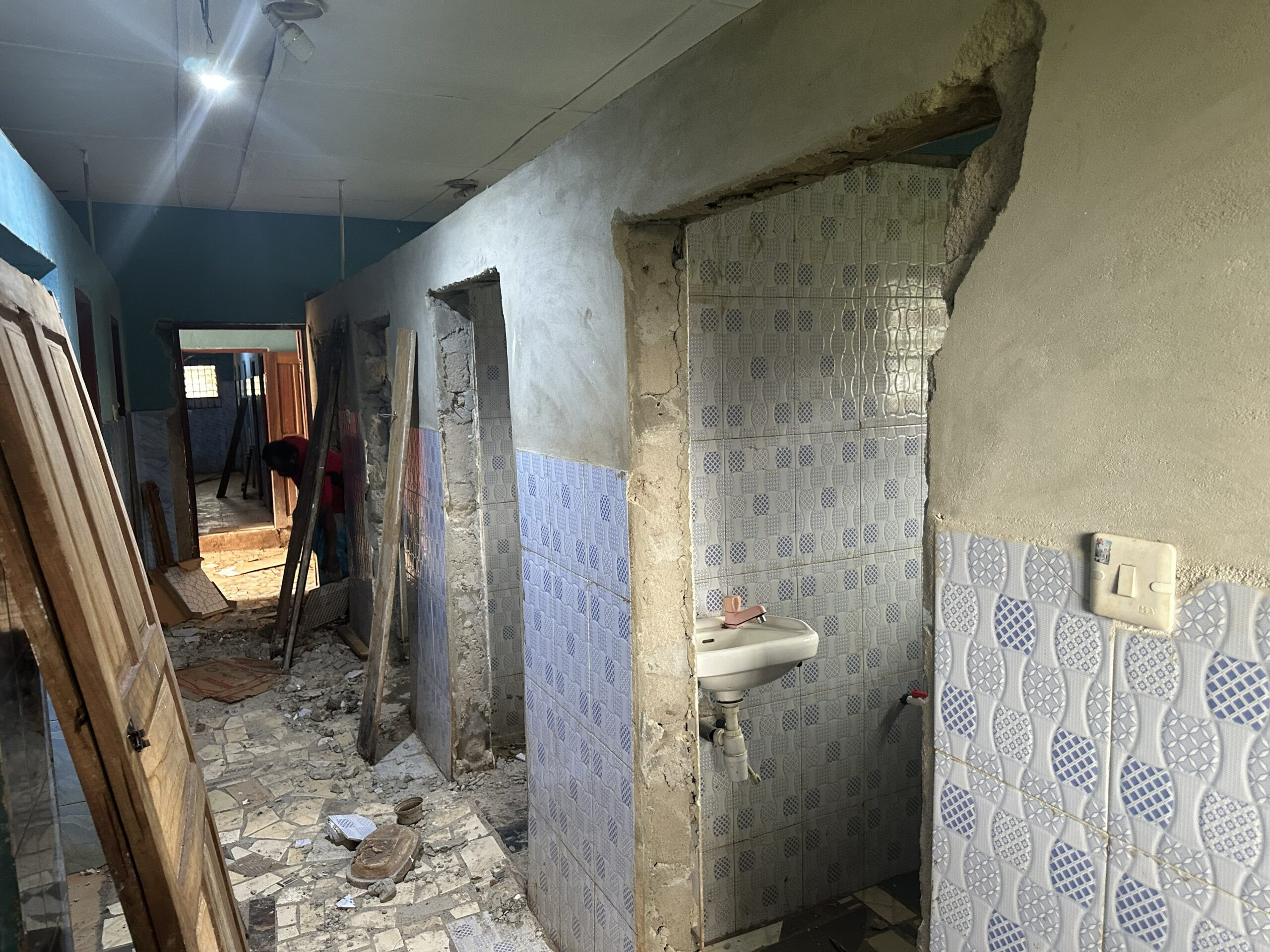
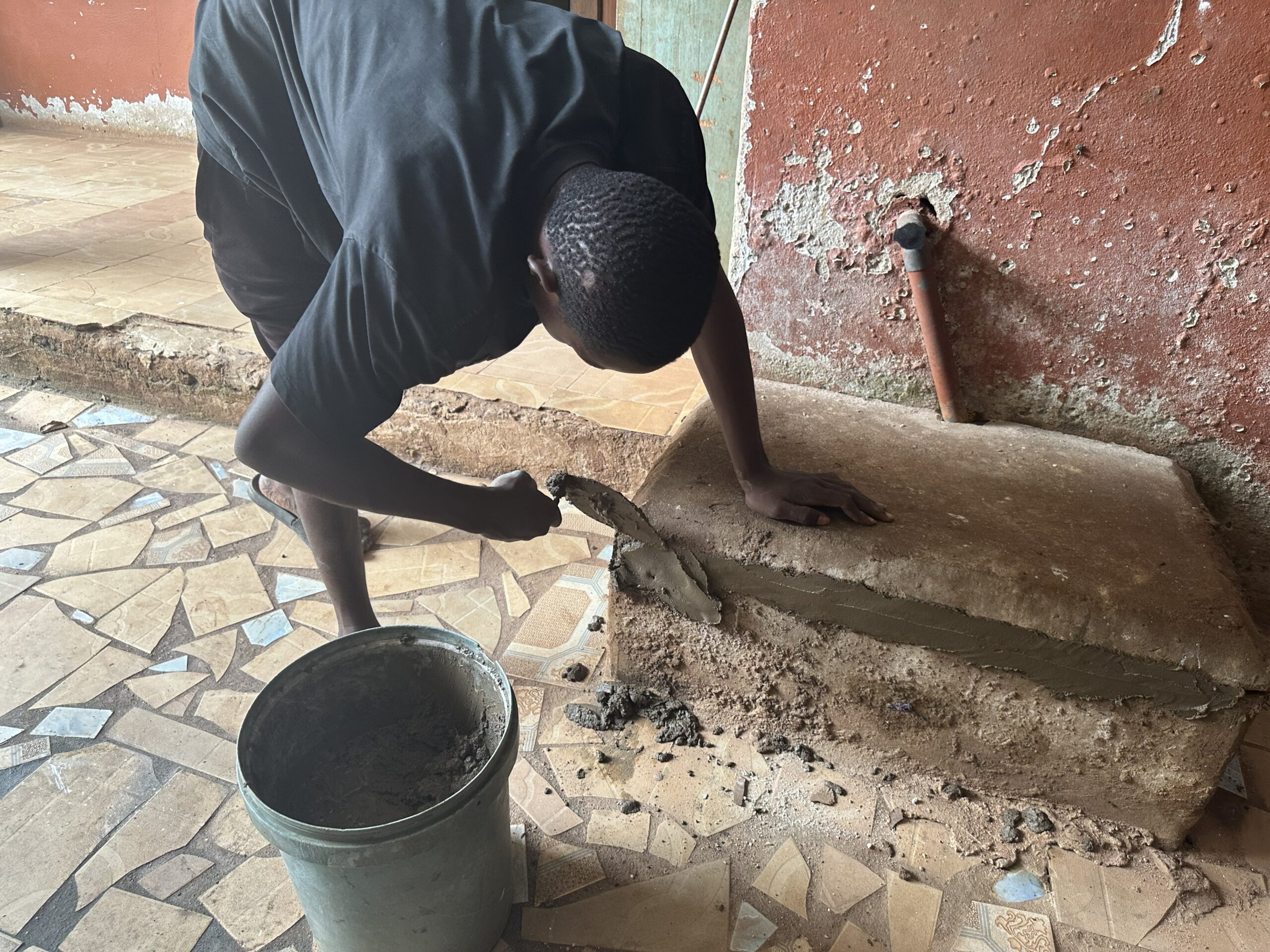
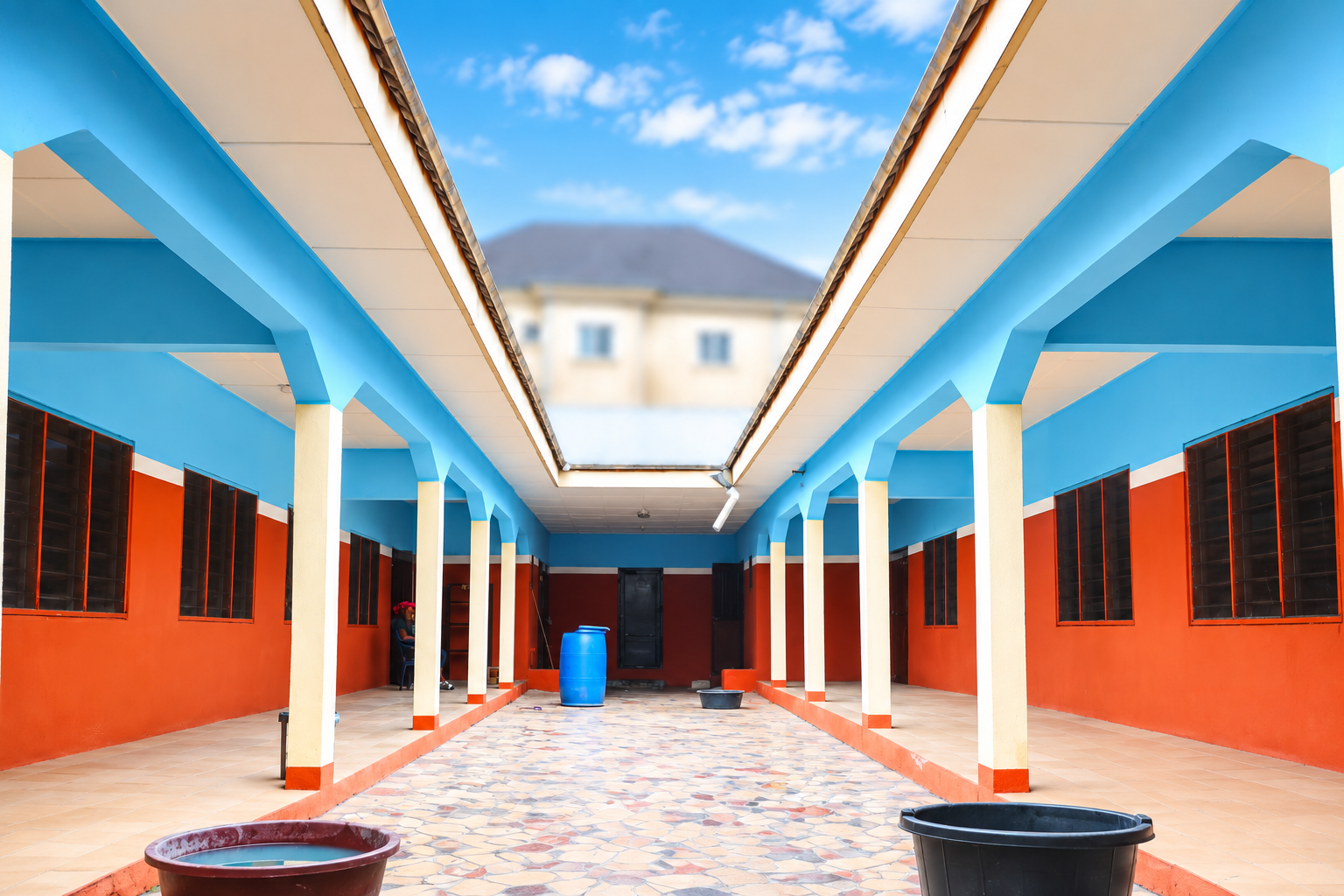
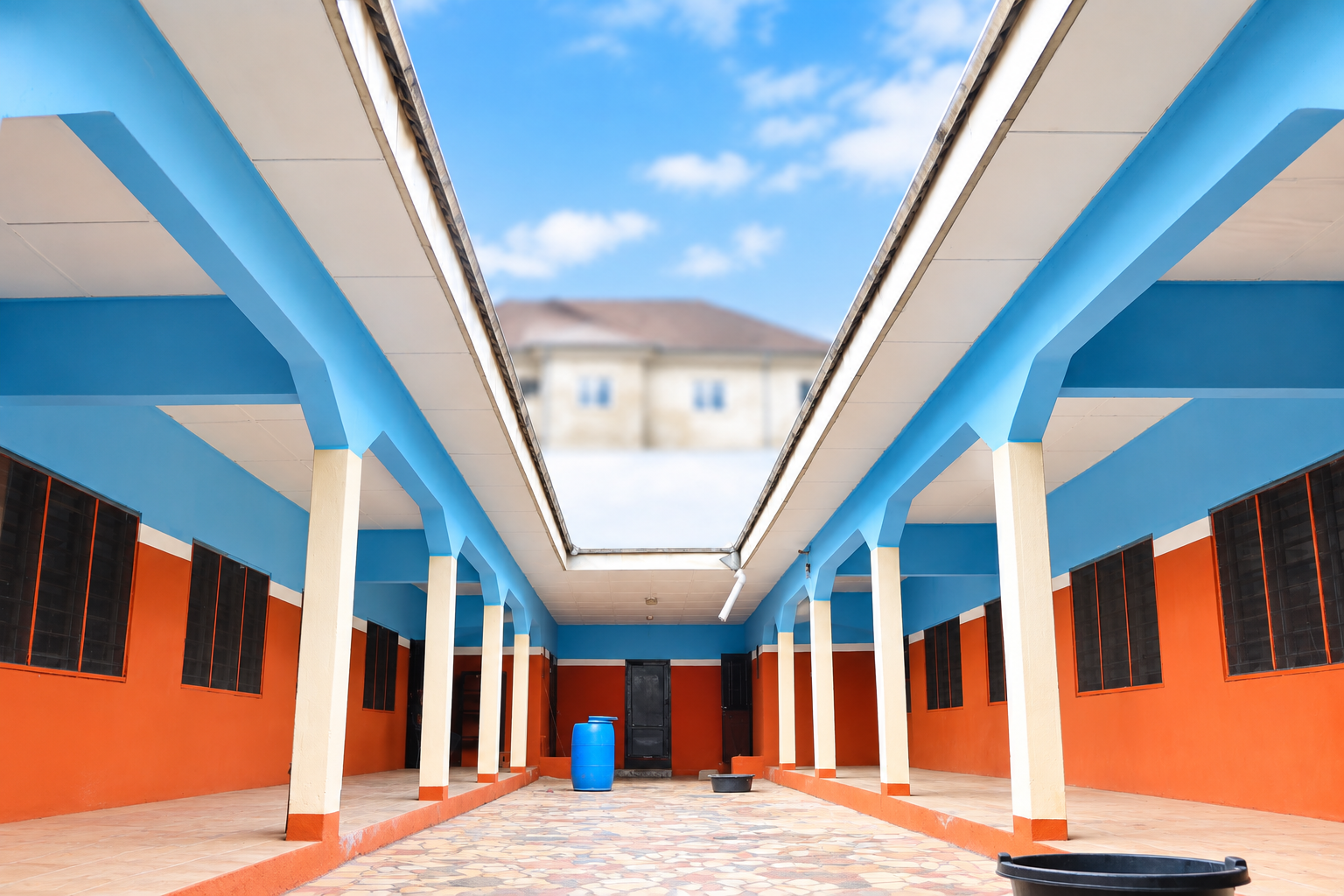
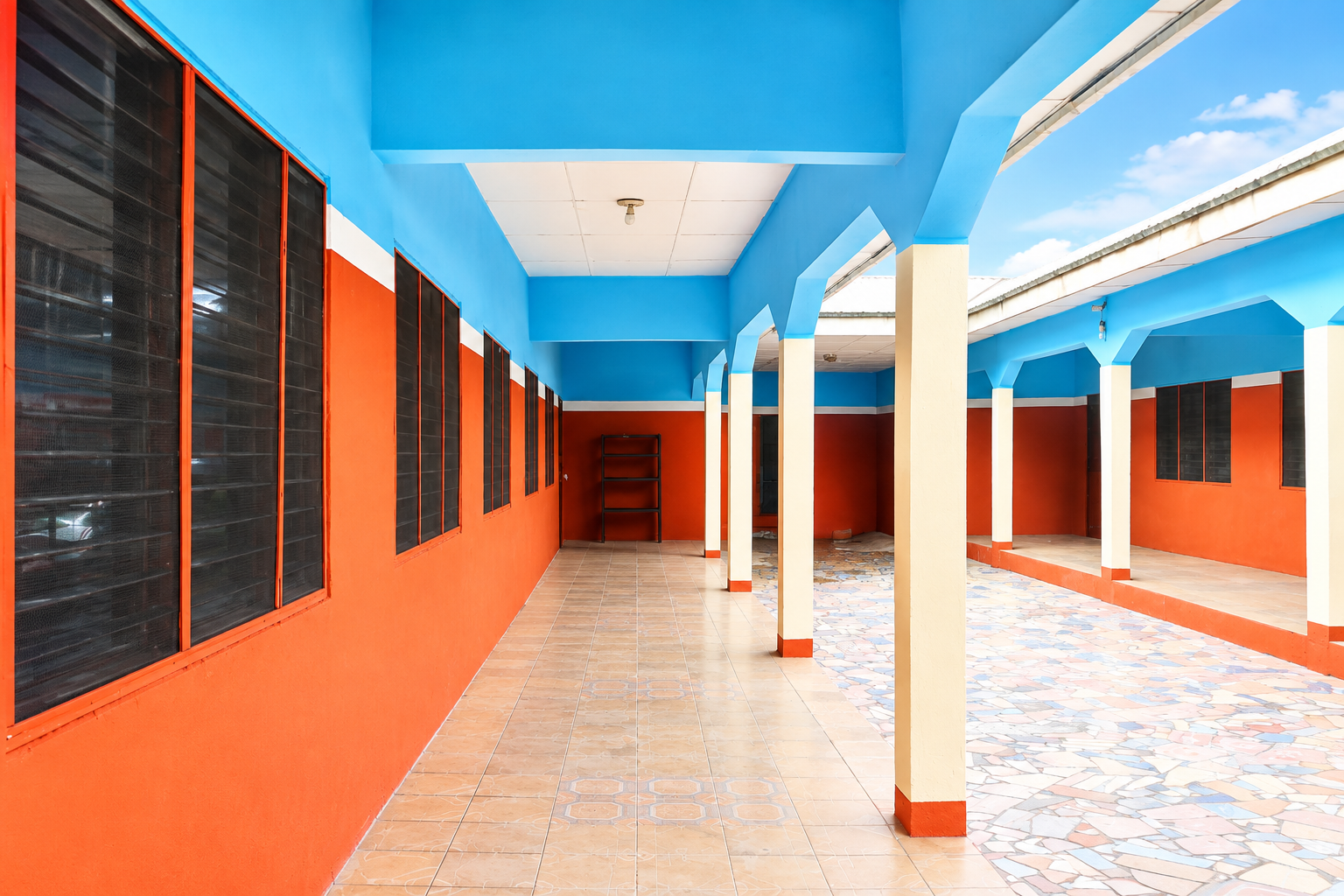
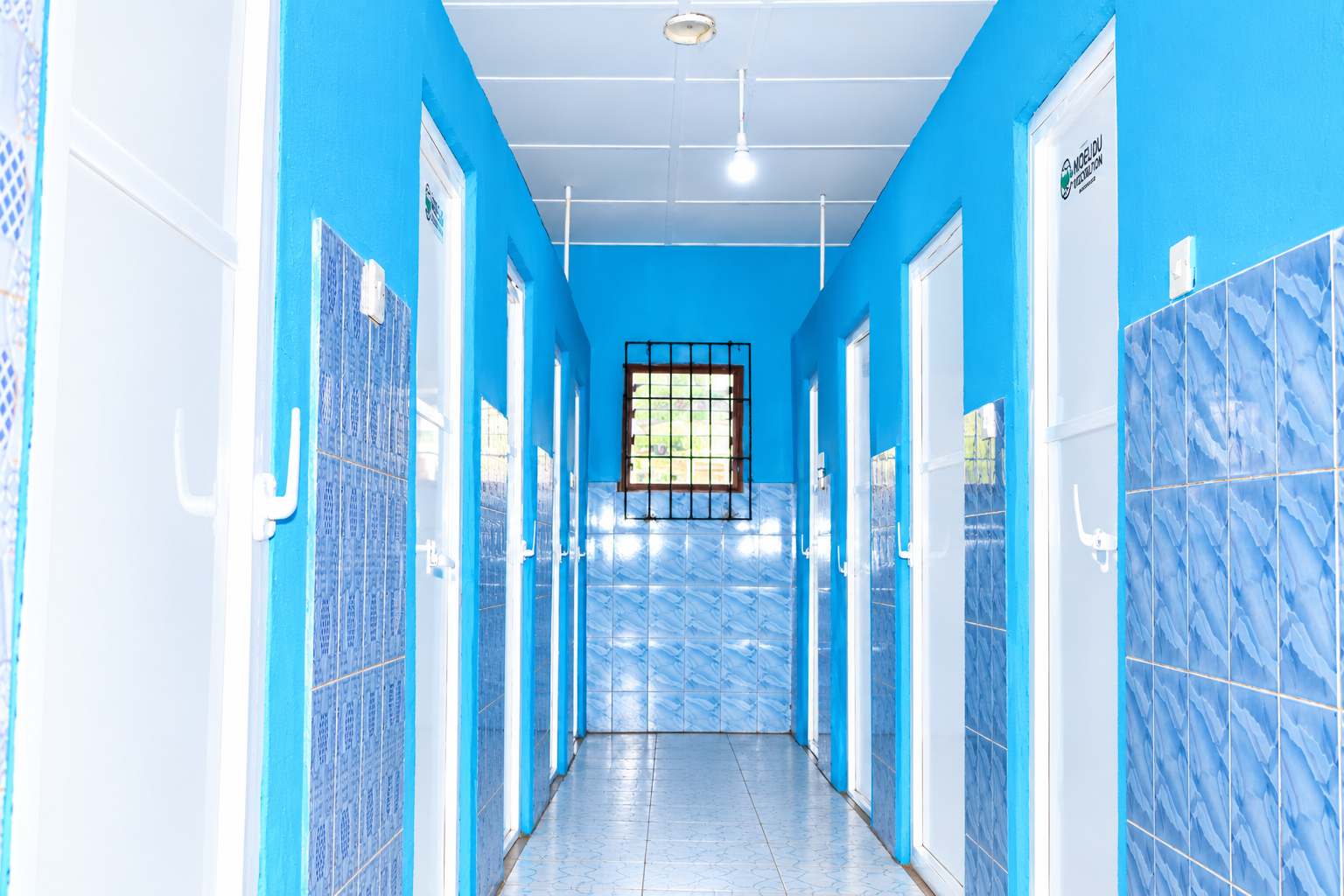
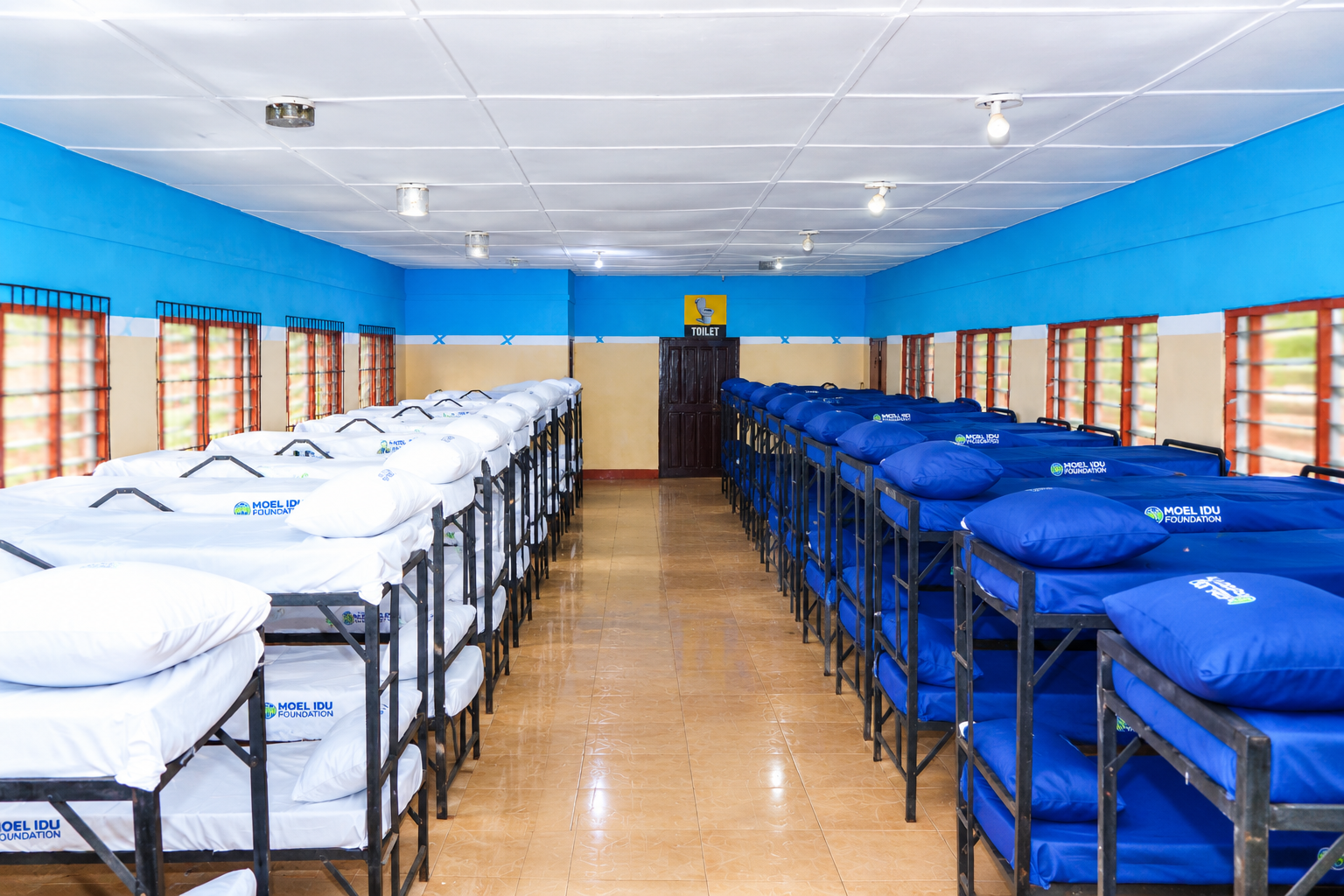
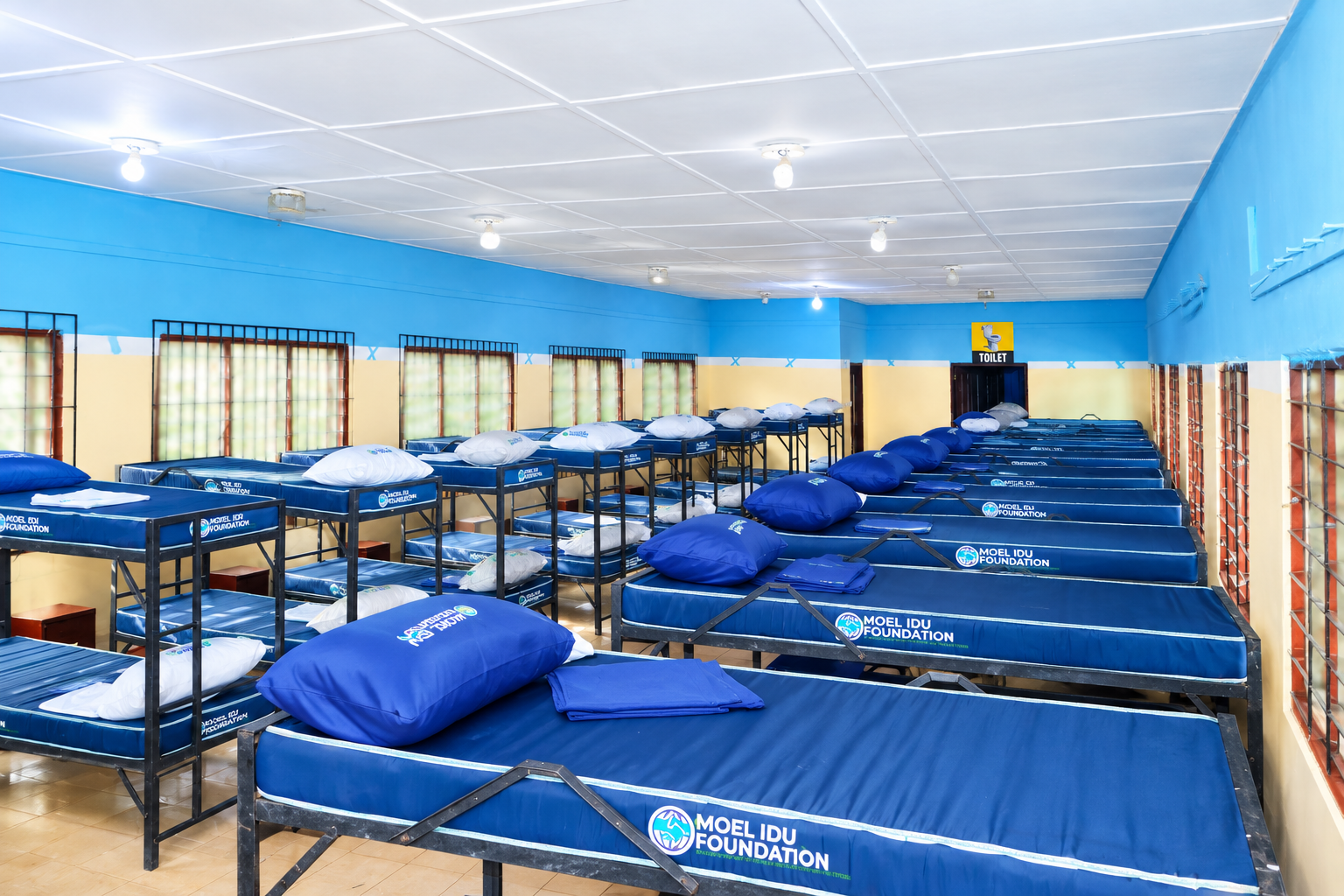
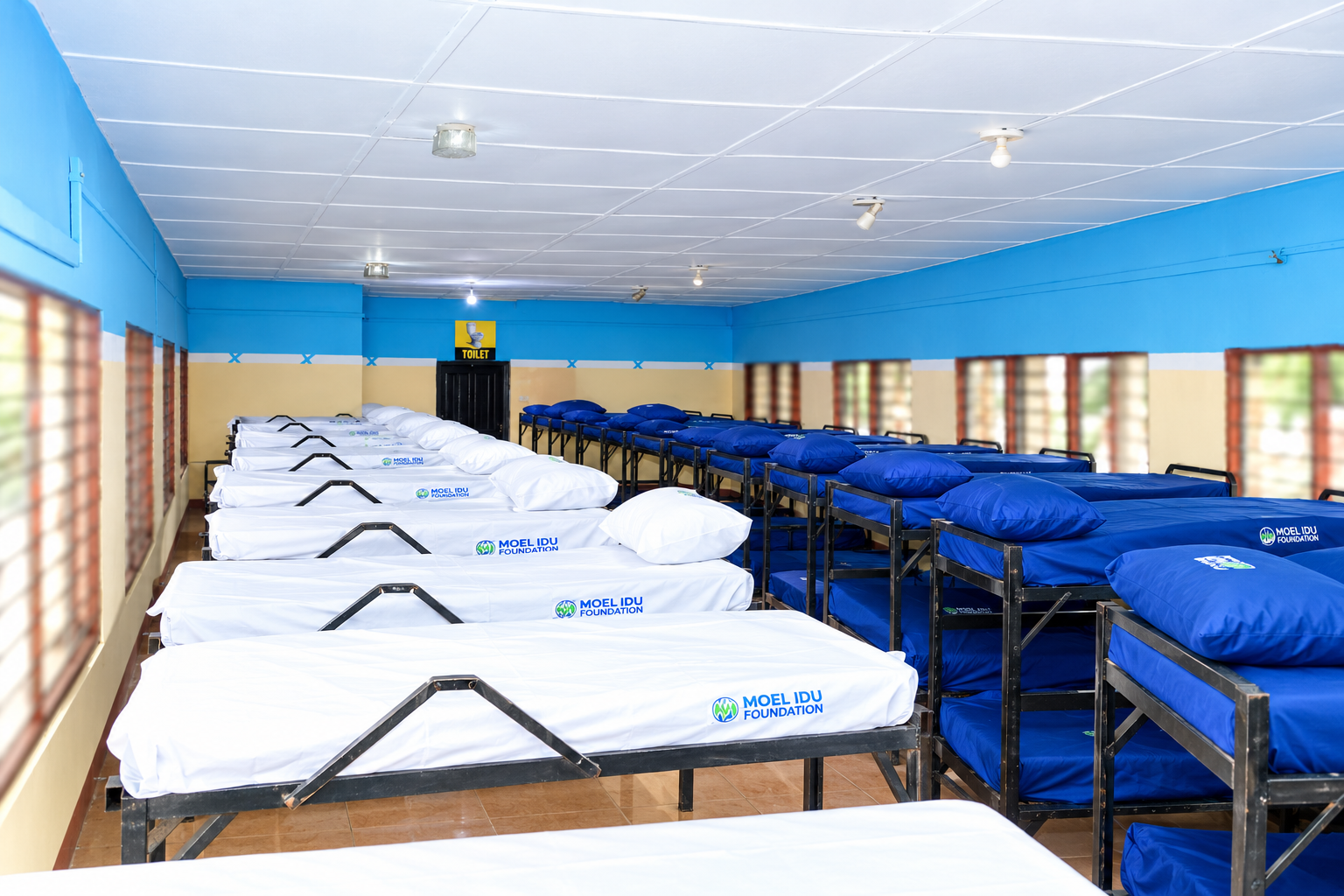
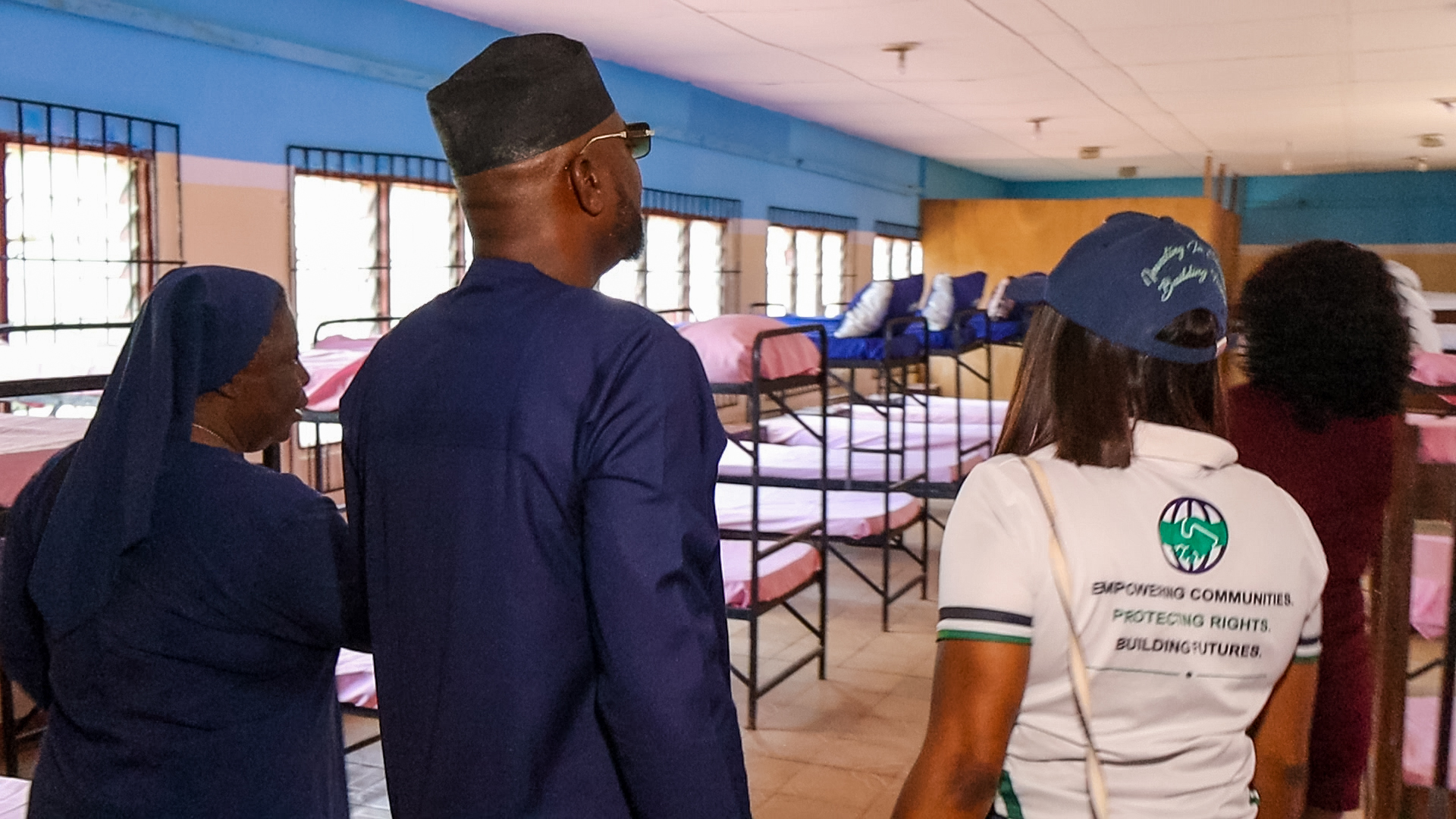
General renovation works were carried out throughout the hostel, including repairs to damaged walls, restoration of deteriorated surfaces and extensive interior painting. These improvements helped restore the physical appearance and functionality of the accommodation, replacing neglected and damaged spaces with a brighter, cleaner and more welcoming environment.
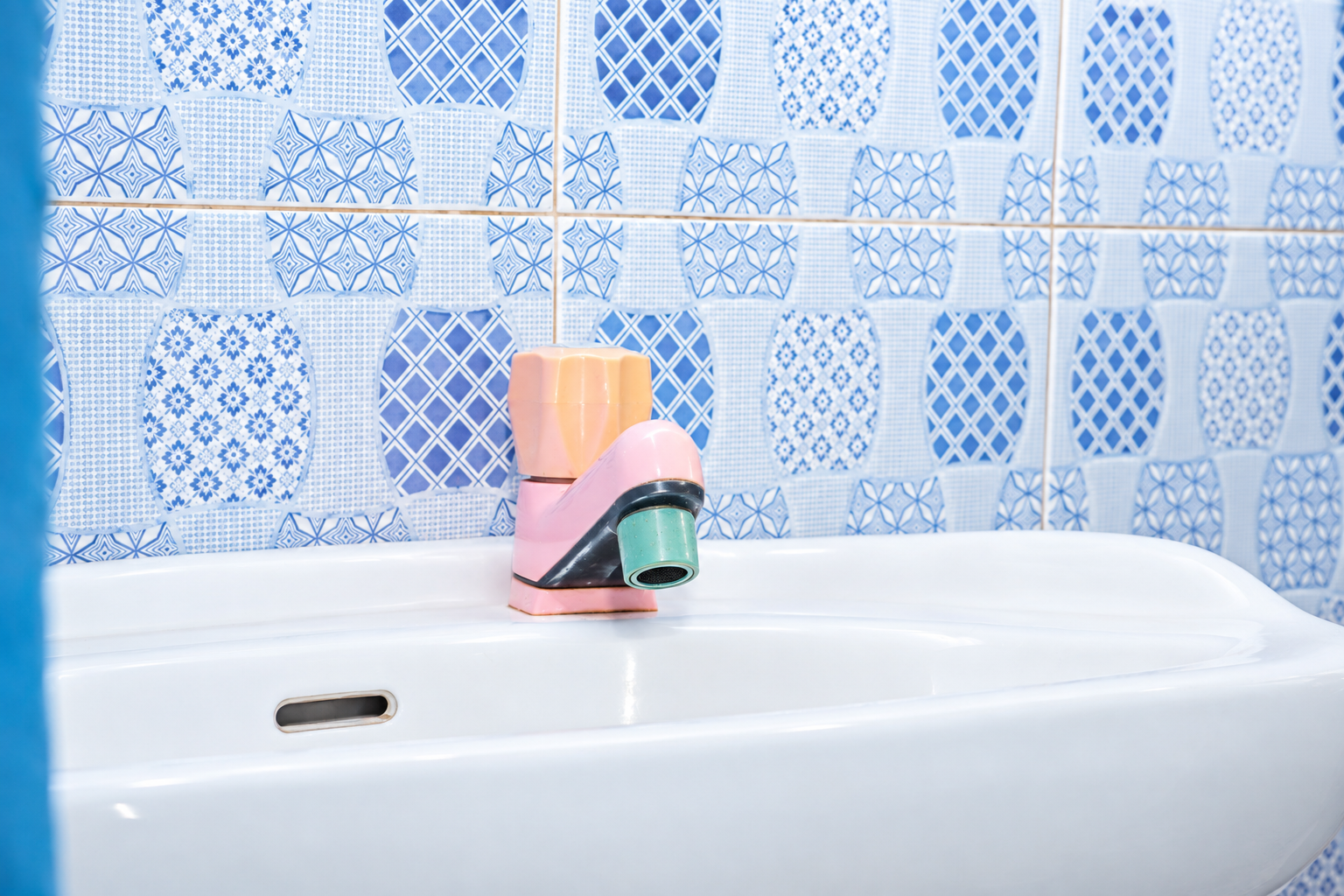
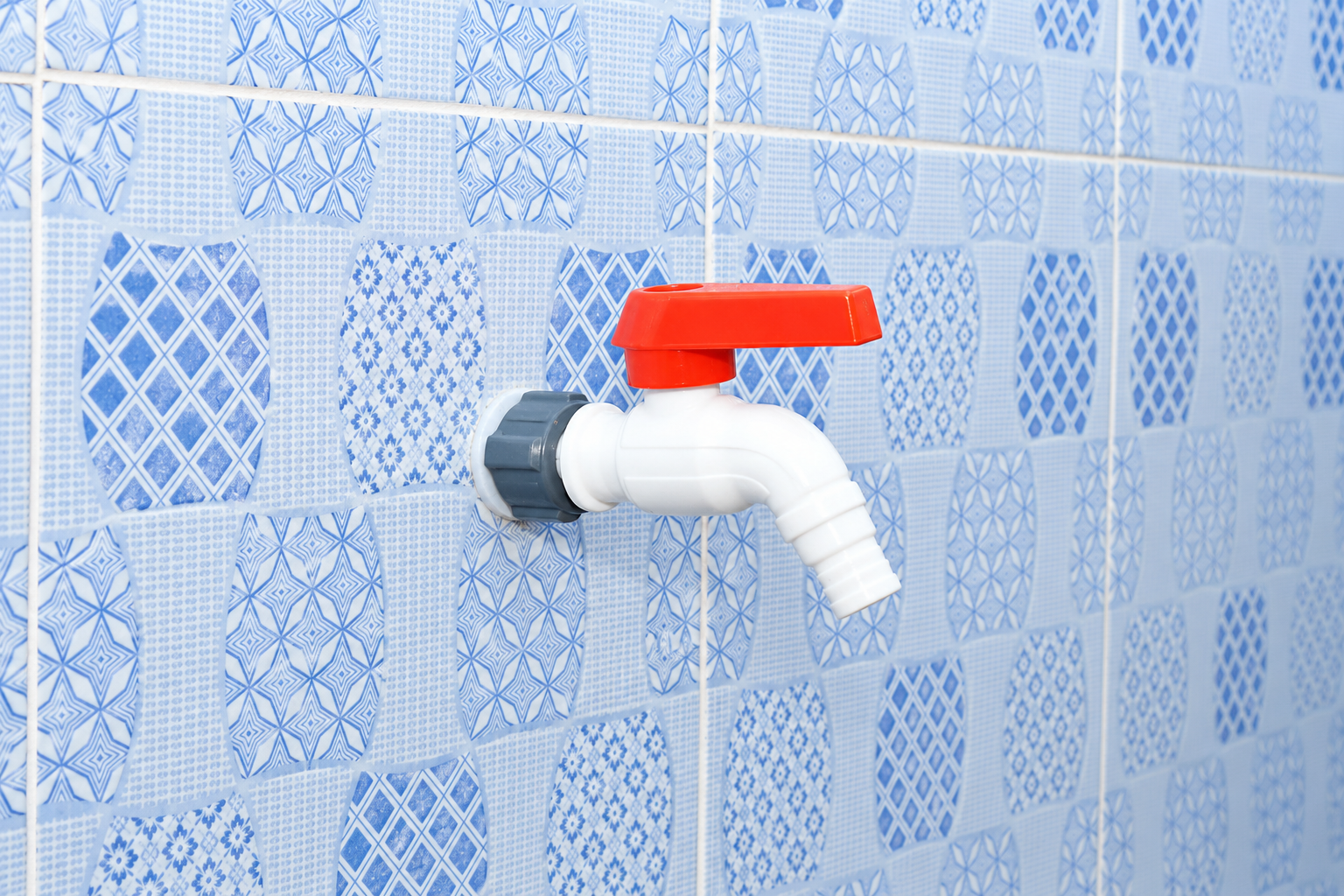
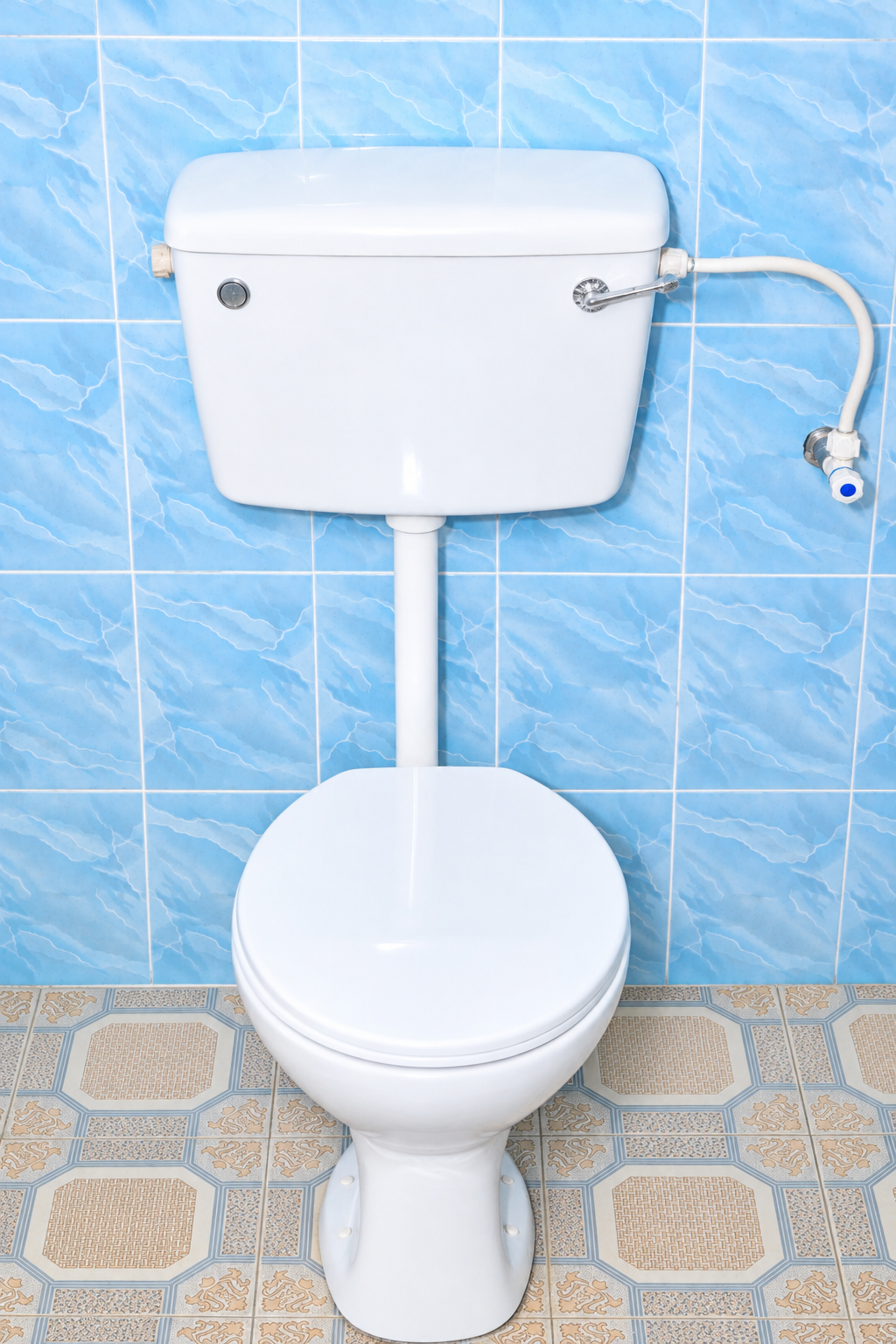
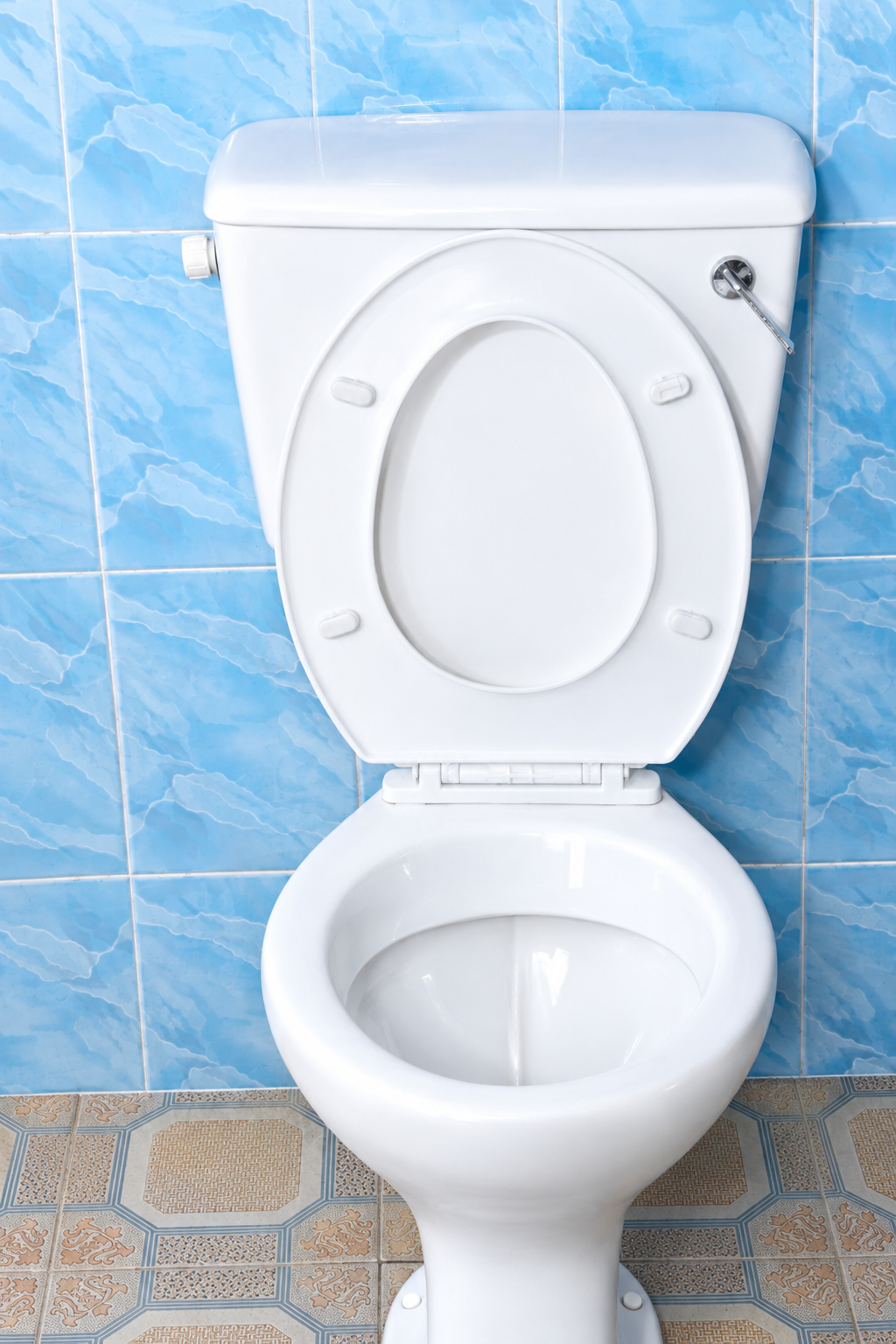
Recognizing the importance of appropriate sanitation facilities, the Foundation also undertook substantial bathroom improvements. The intervention included the installation of new toilets, replacement of damaged bathroom tiles and improvements to the hostel’s sanitary facilities.
These upgrades were intended to improve hygiene, enhance usability and provide a more appropriate environment for the girls to manage their everyday personal care needs.
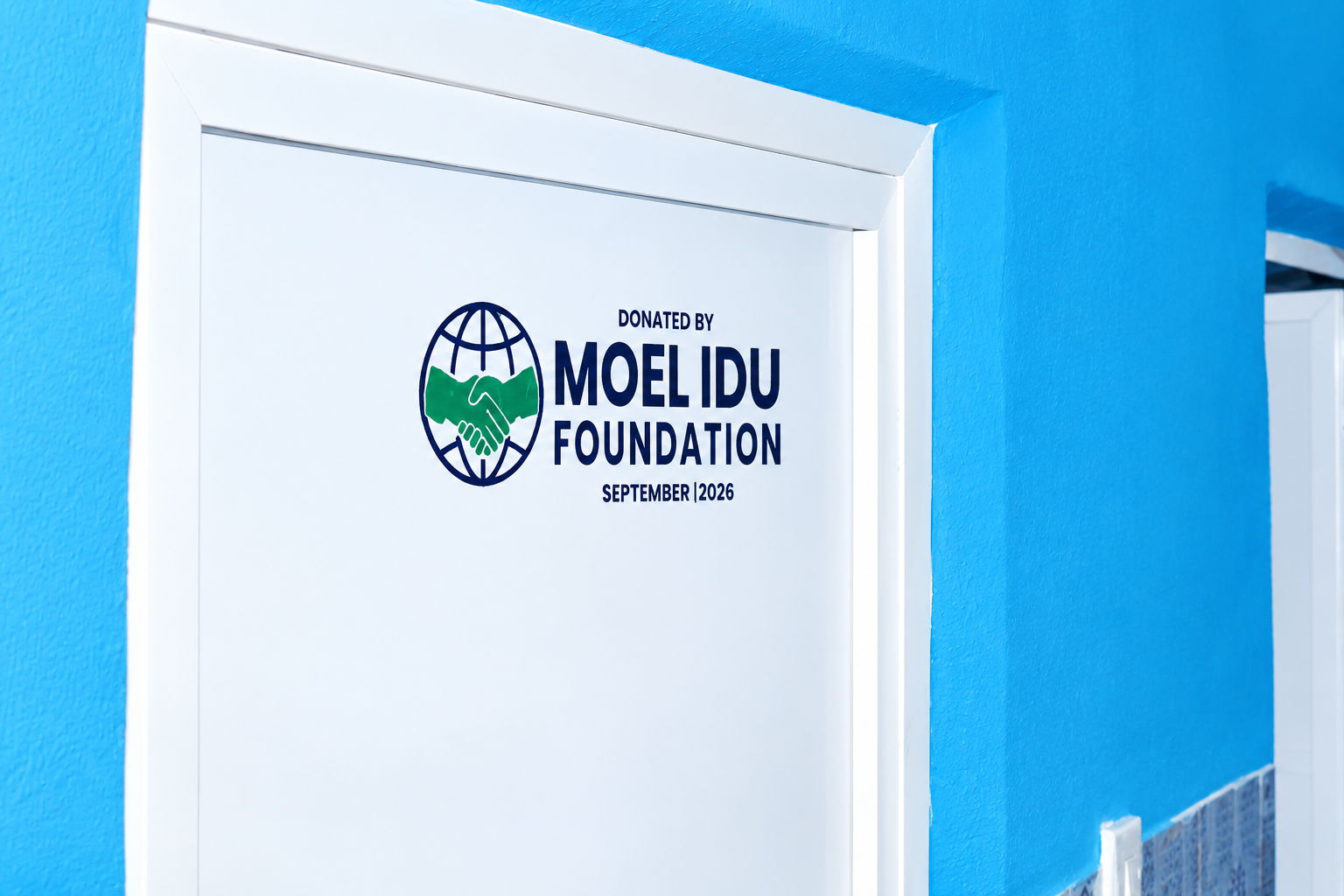
The Foundation also installed new doors to improve privacy, security and the overall functionality of the residential facility. For adolescent girls, particularly those living in institutional accommodation, access to private and well-maintained spaces is an important part of safeguarding personal dignity.
Beyond infrastructure rehabilitation, the project addressed the inadequate sleeping arrangements identified during the initial assessment.
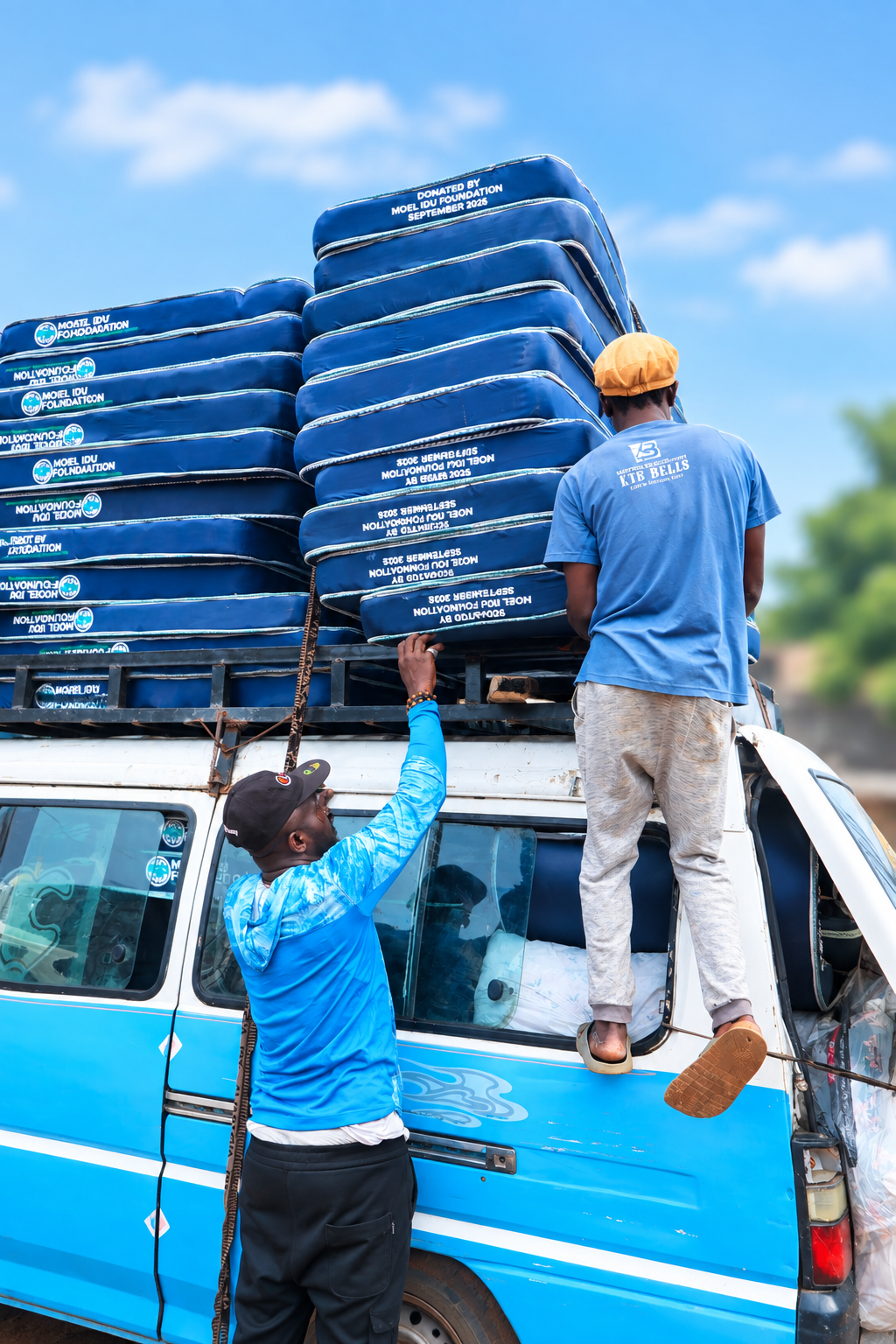
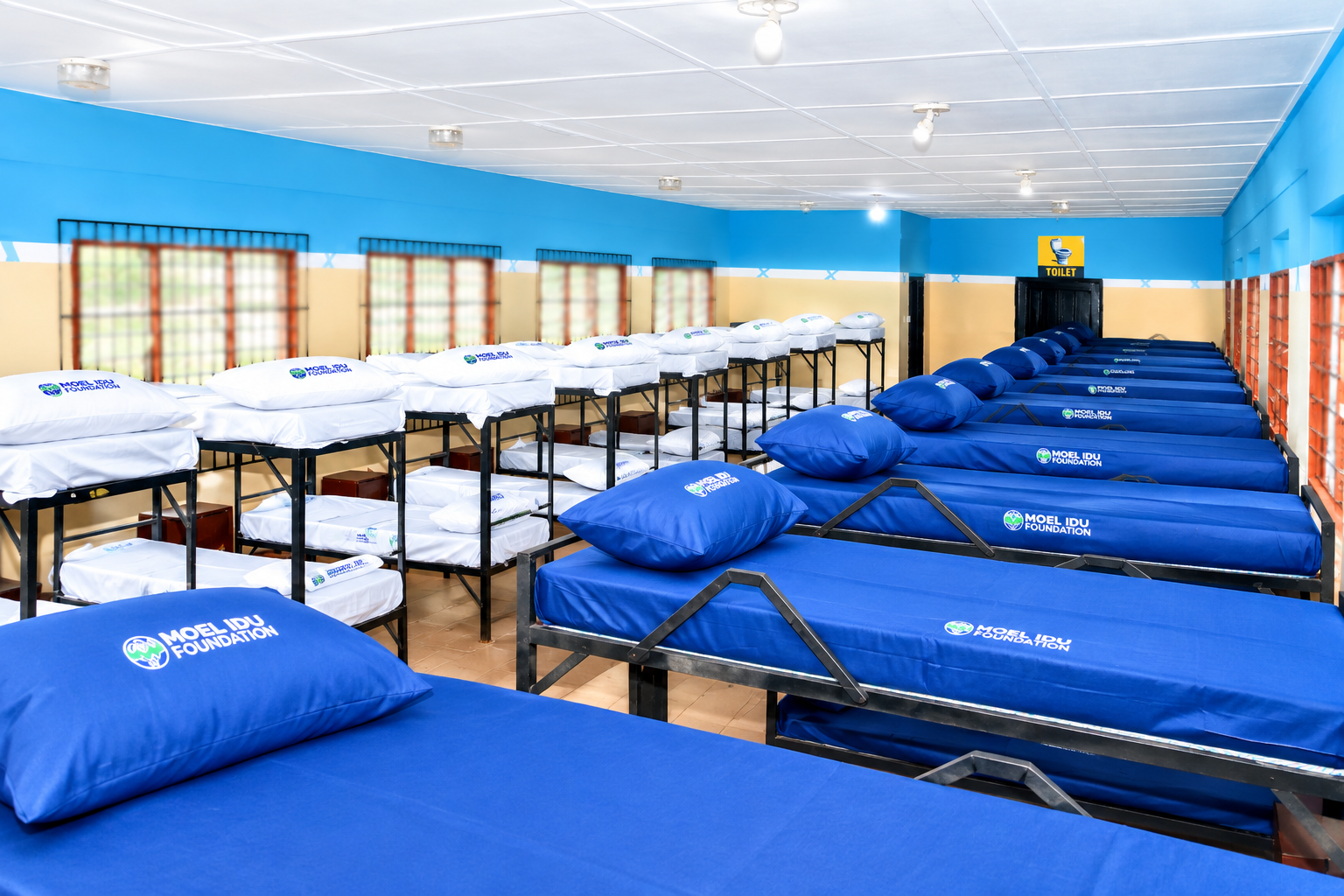
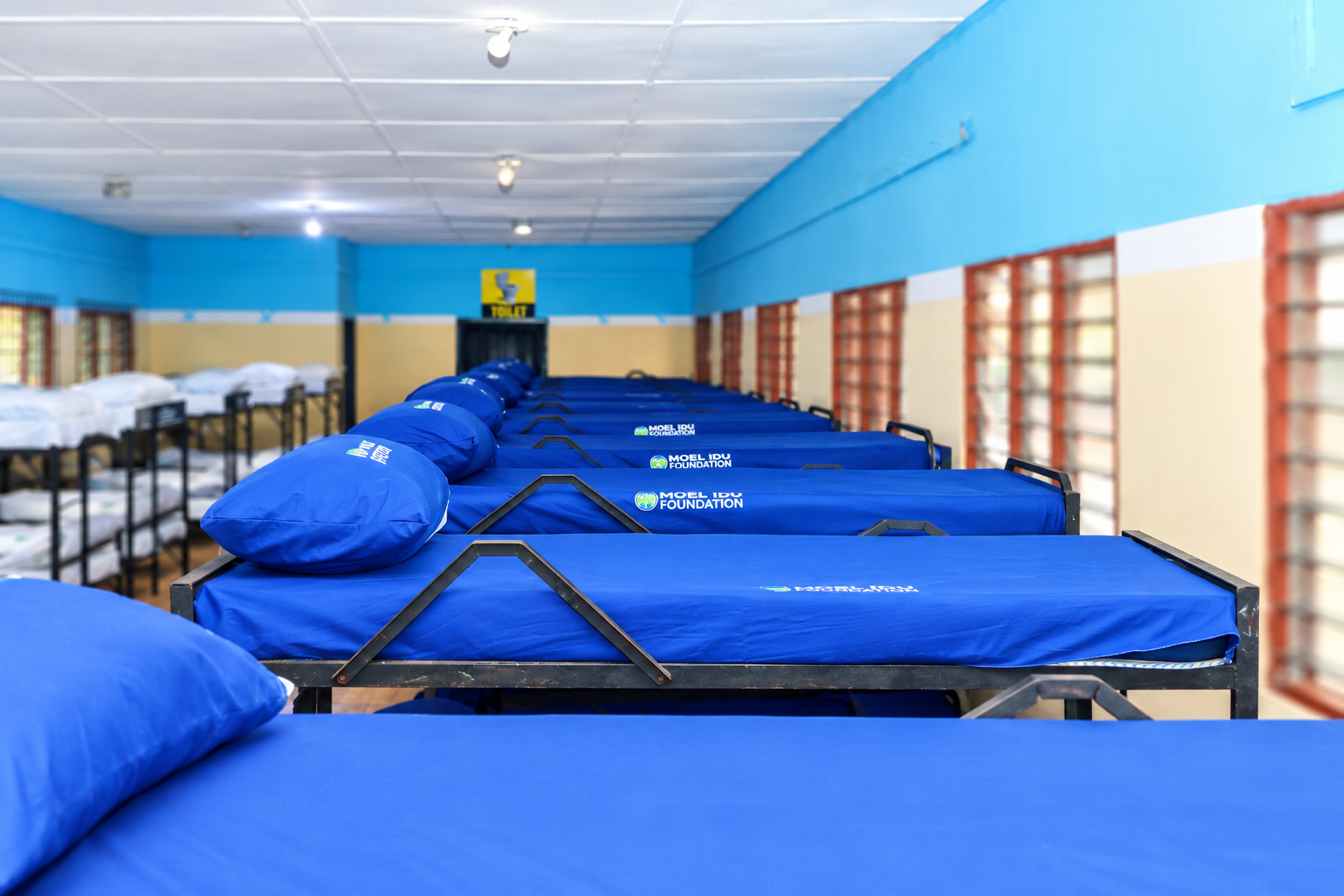
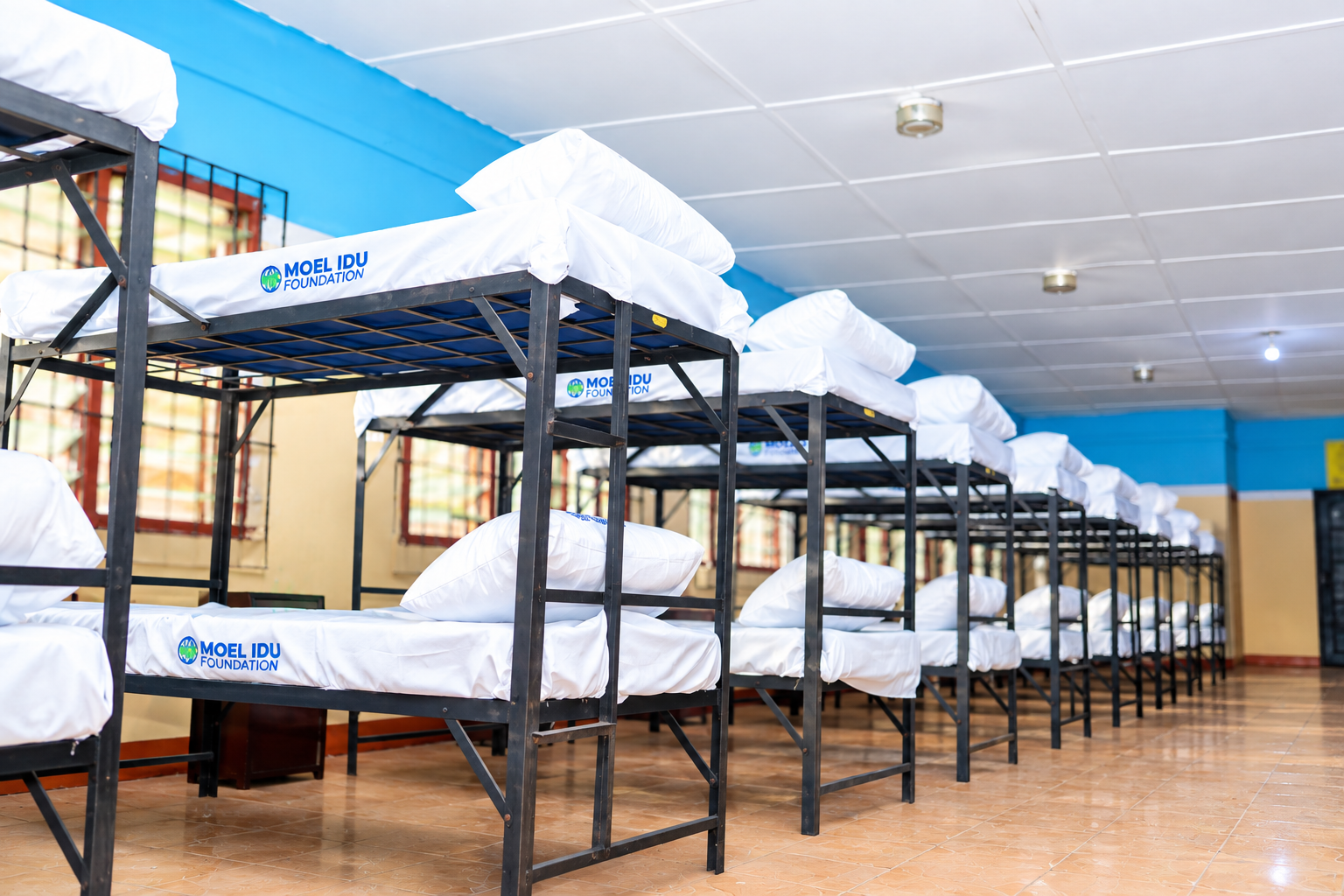
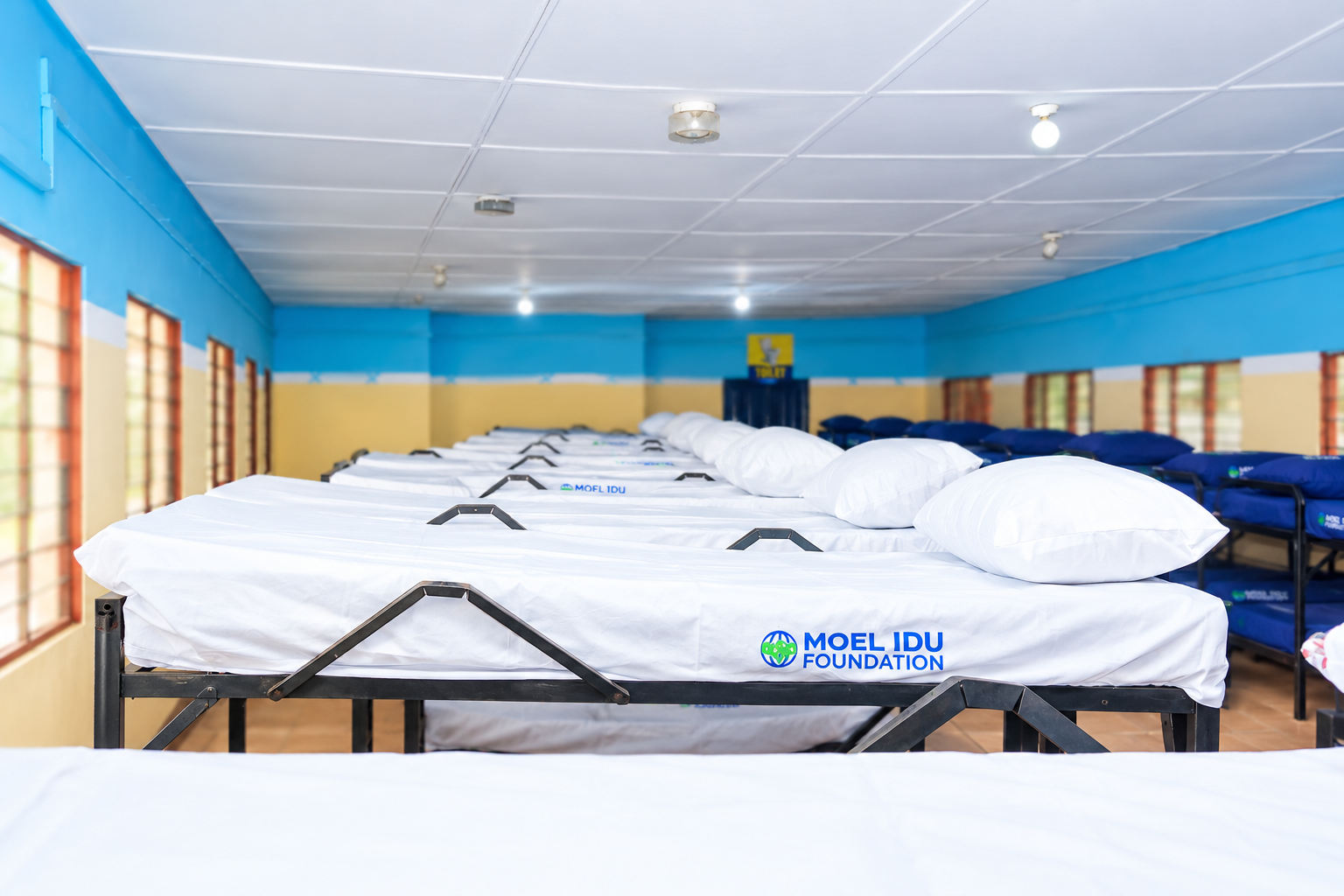
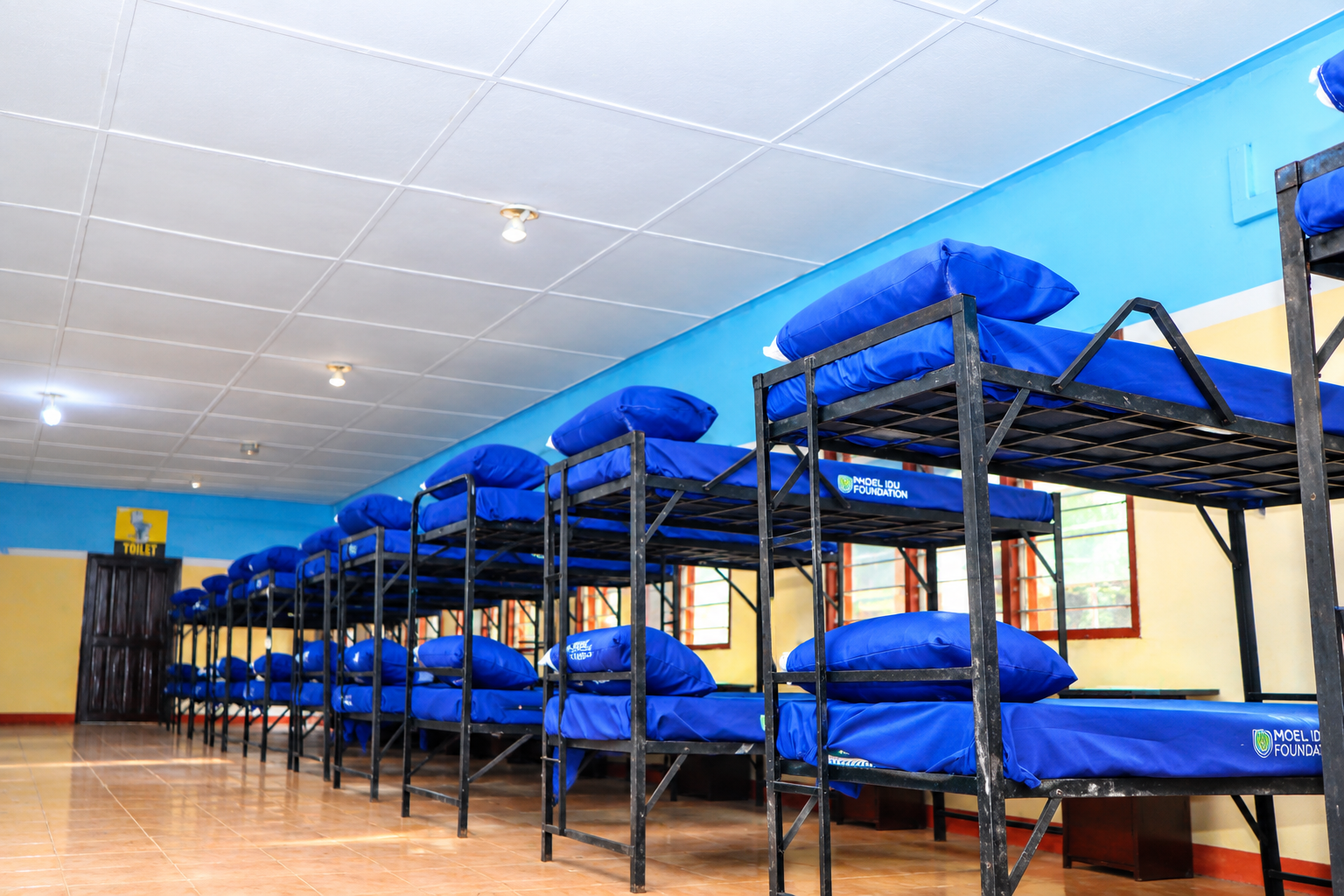
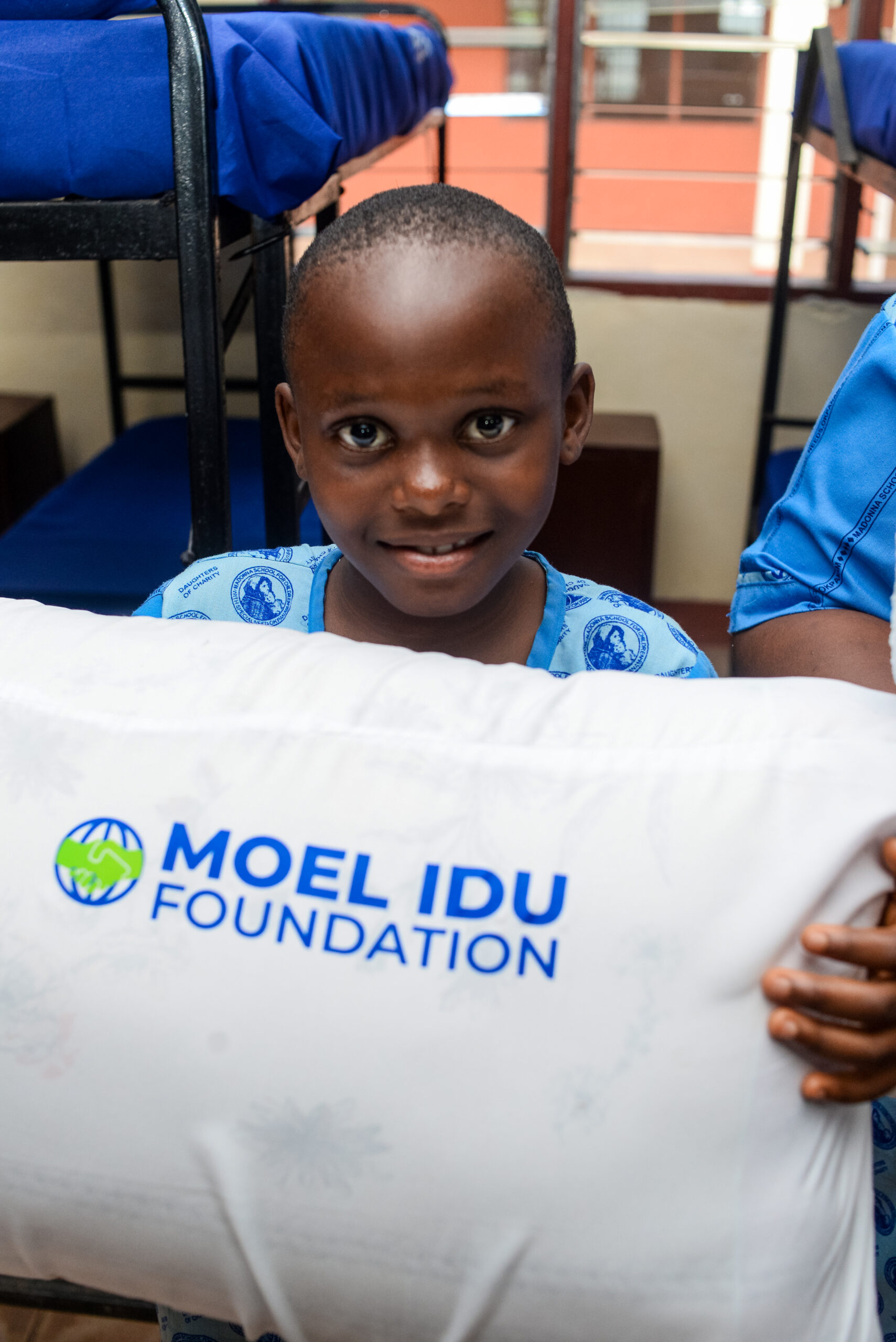
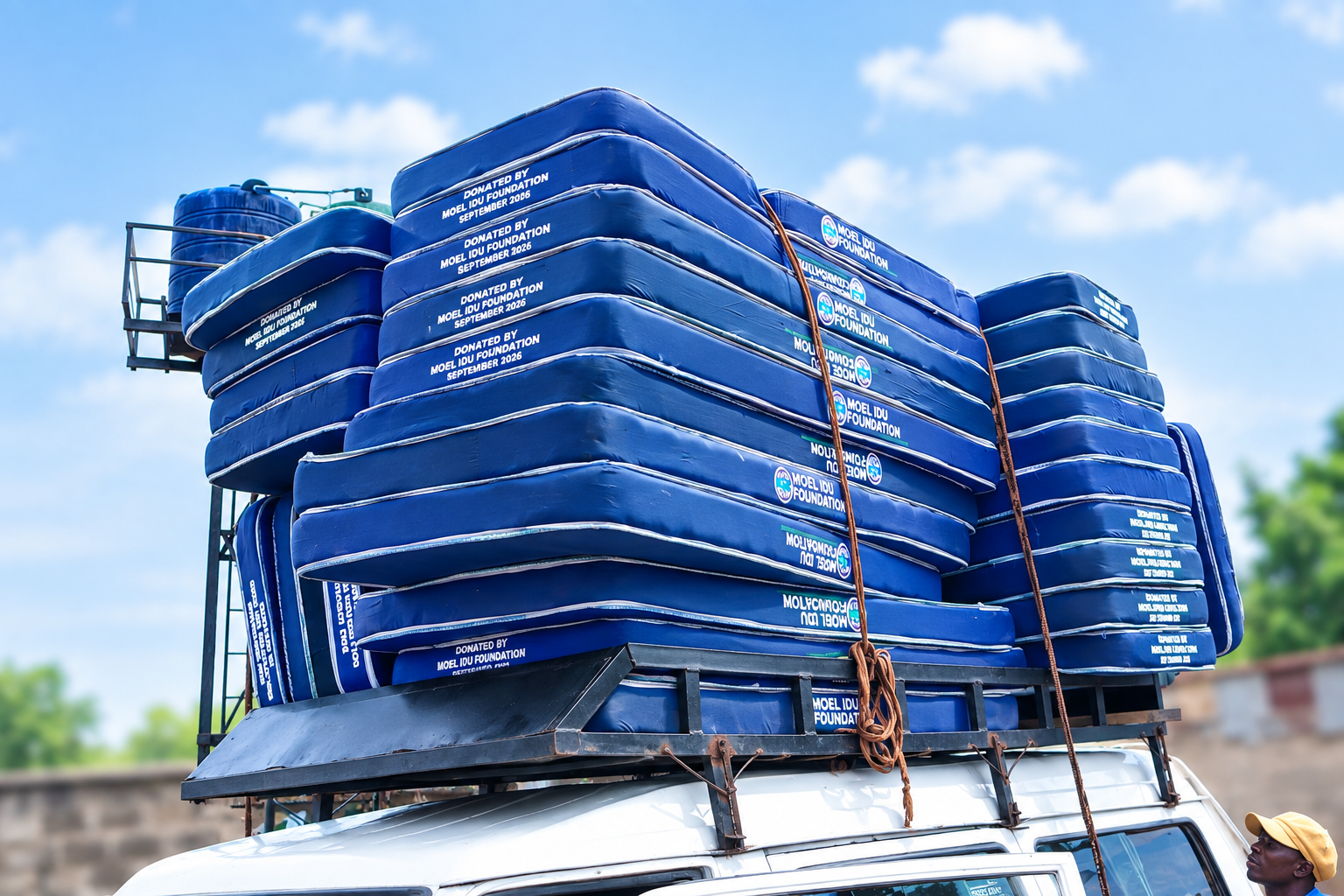
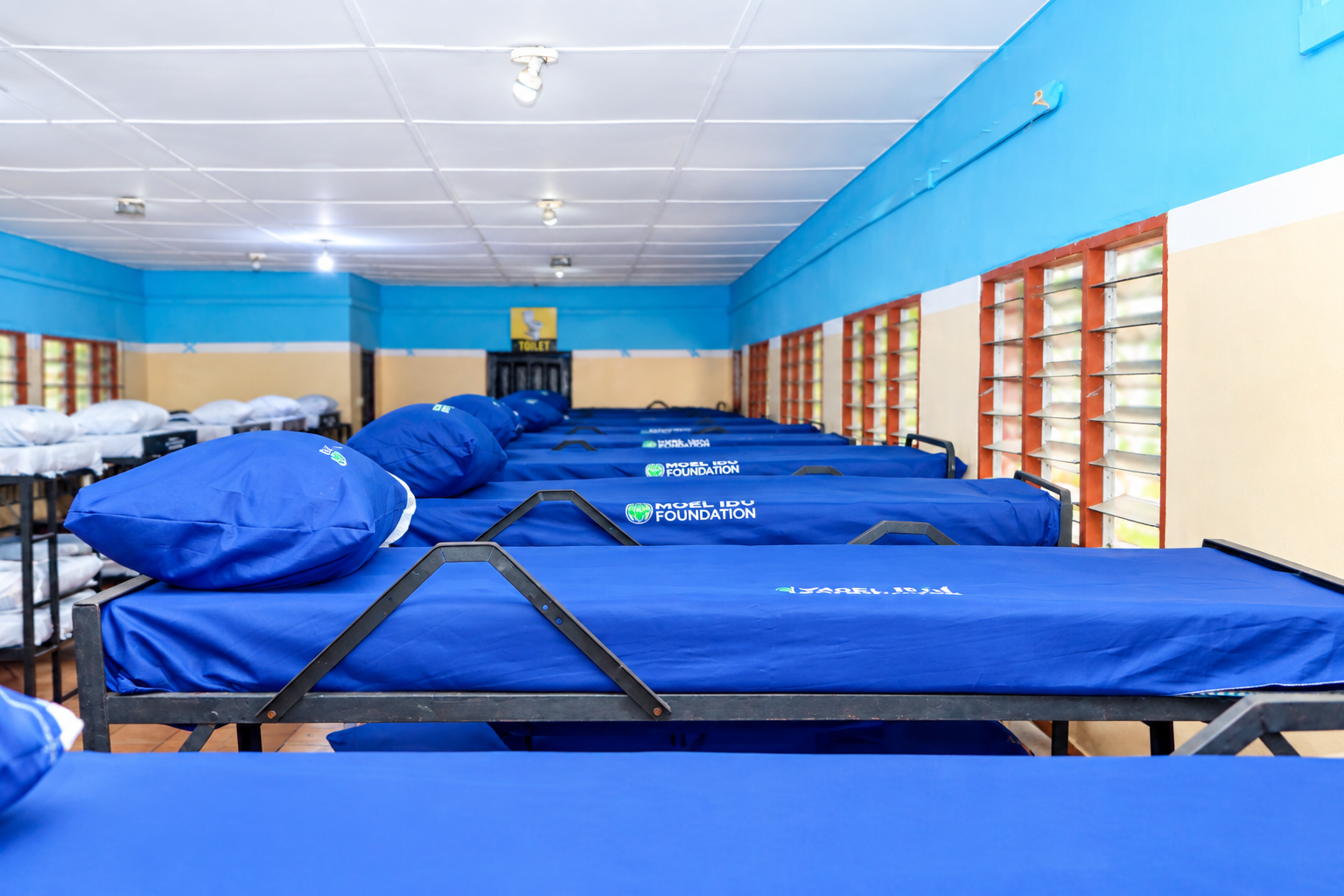
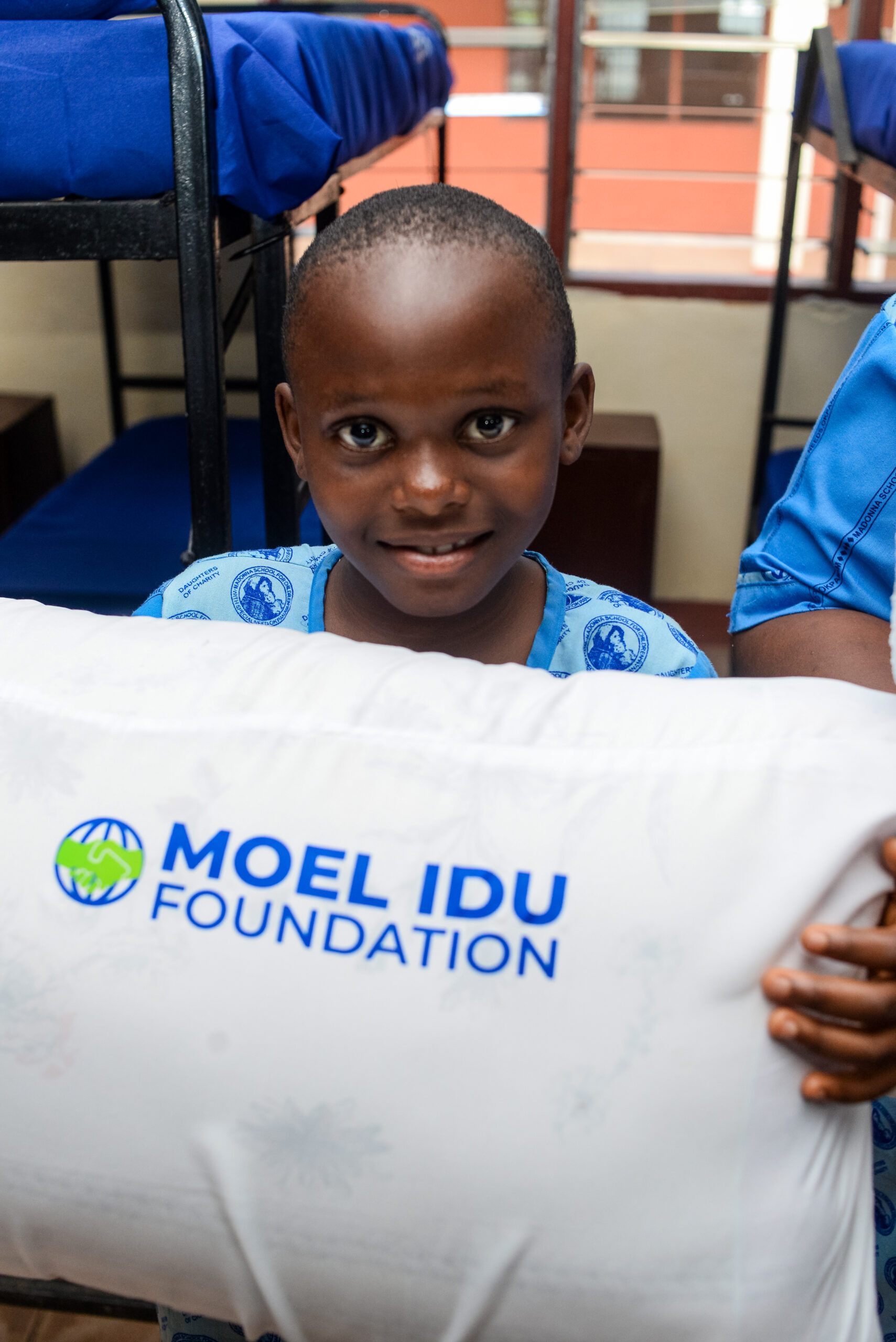
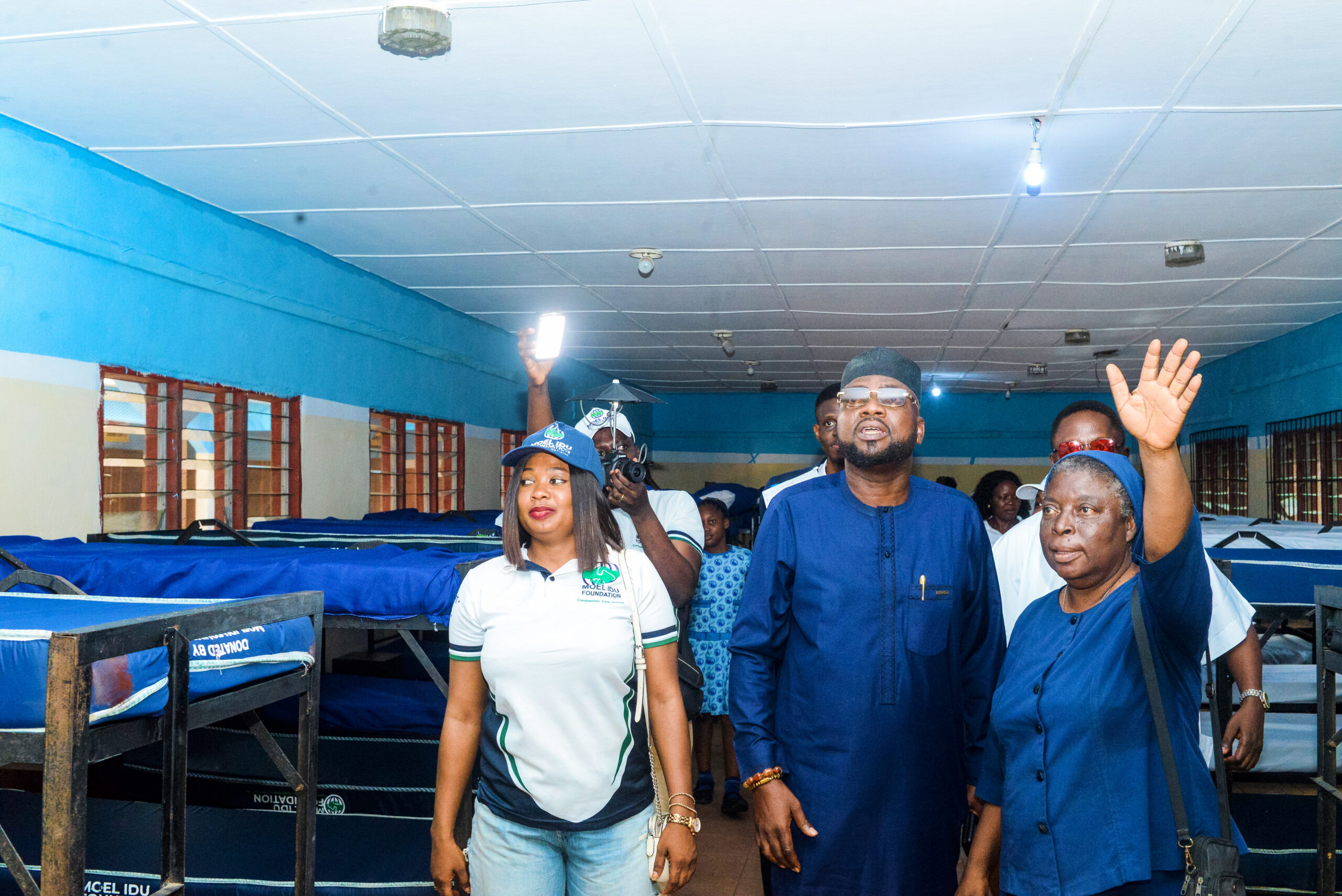
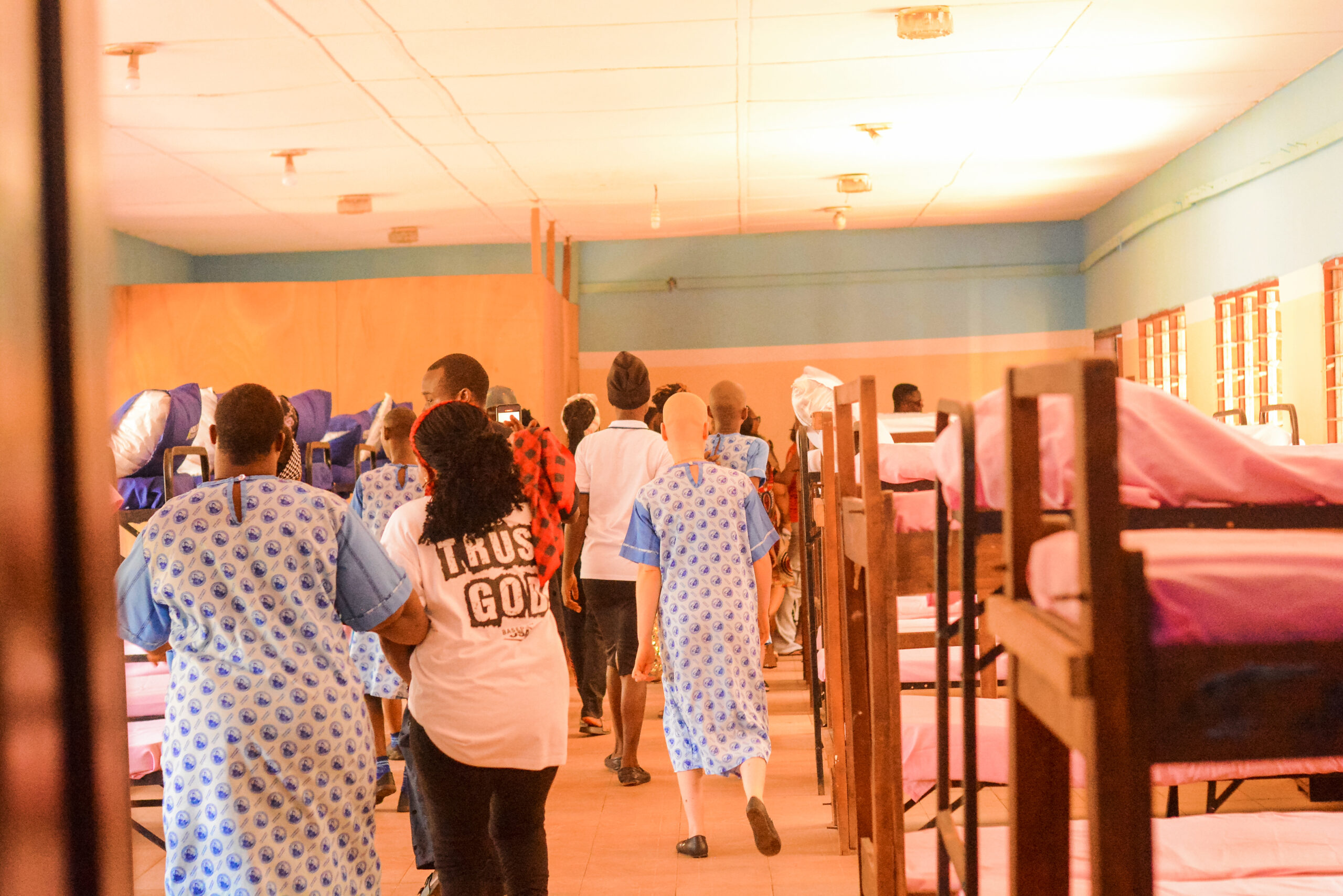
Fifty new mattresses, 50 pillows and 50 bedsheets were provided to improve sleeping conditions and ensure that the girls had access to more comfortable and appropriate bedding.
The provision of these essential items complemented the broader renovation works, recognizing that a suitable residential environment requires more than repaired walls and bathrooms. It must also provide adequate opportunities for rest, recovery and everyday comfort.
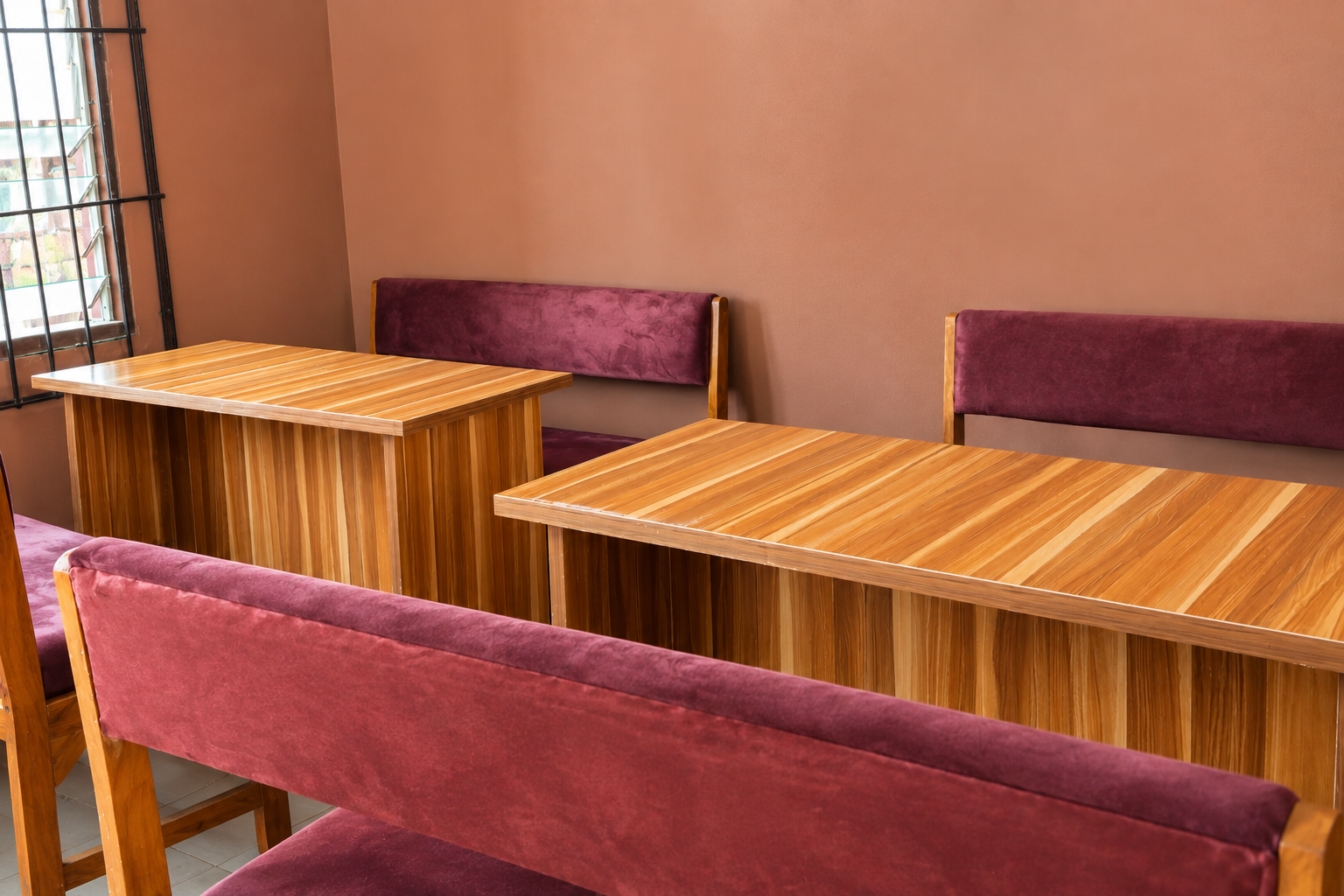
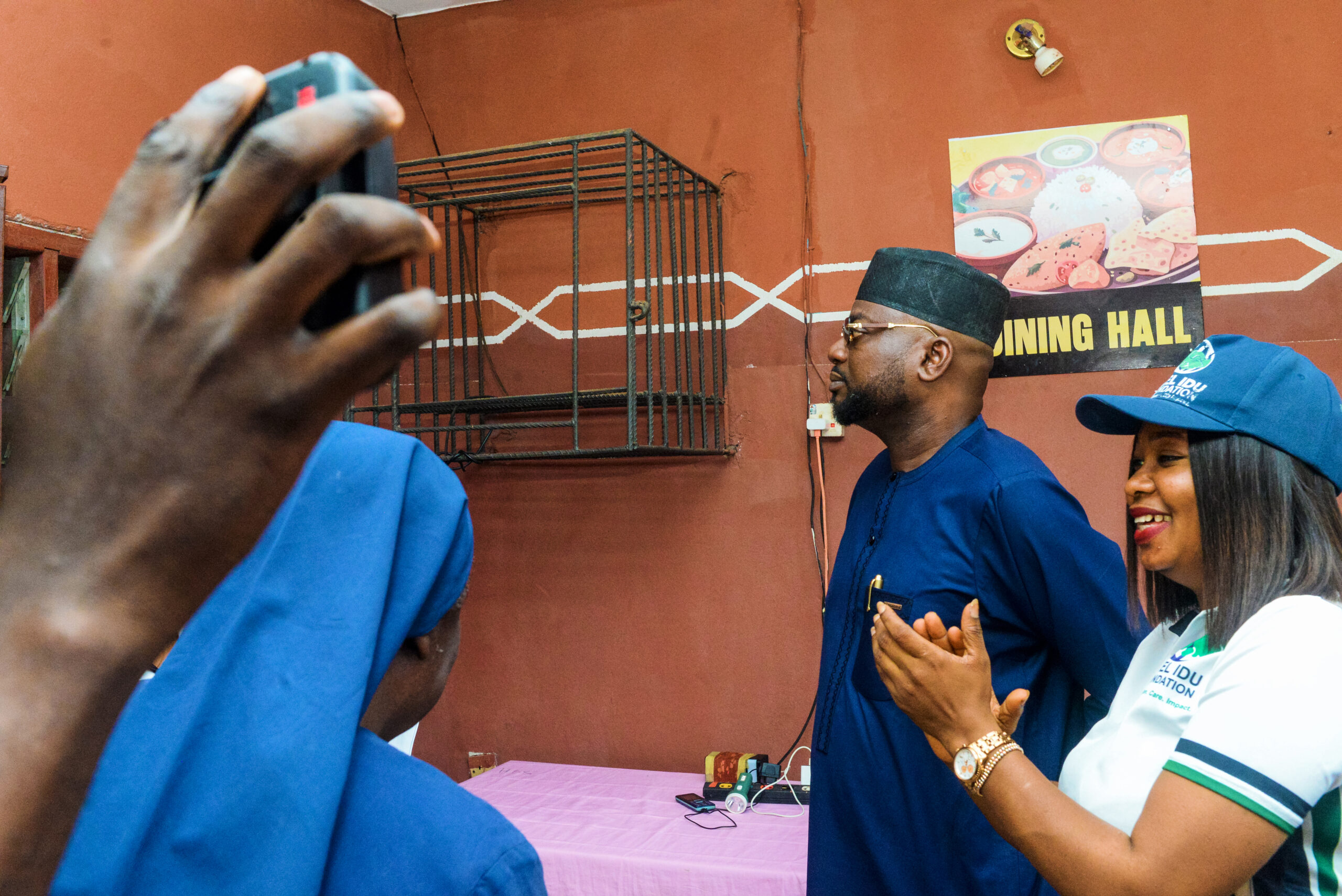
The project further included dining tables and chairs to improve the hostel’s communal dining arrangements. These additions were intended to create a more organized and functional environment where the girls could eat, interact and participate in everyday residential activities.
Taken together, the improvements addressed several interconnected aspects of residential well-being, including sanitation, privacy, accommodation, comfort and the quality of shared living spaces.
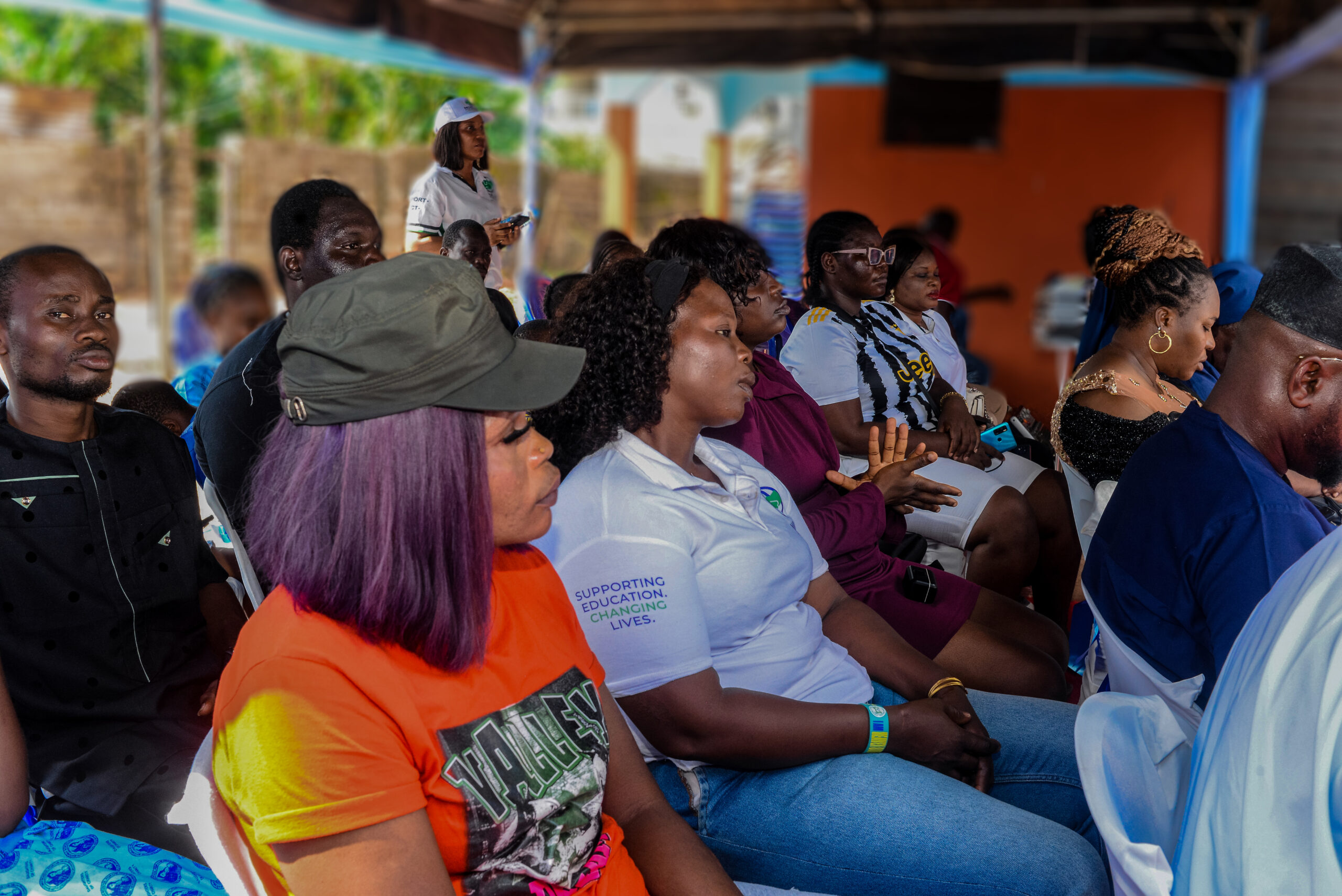
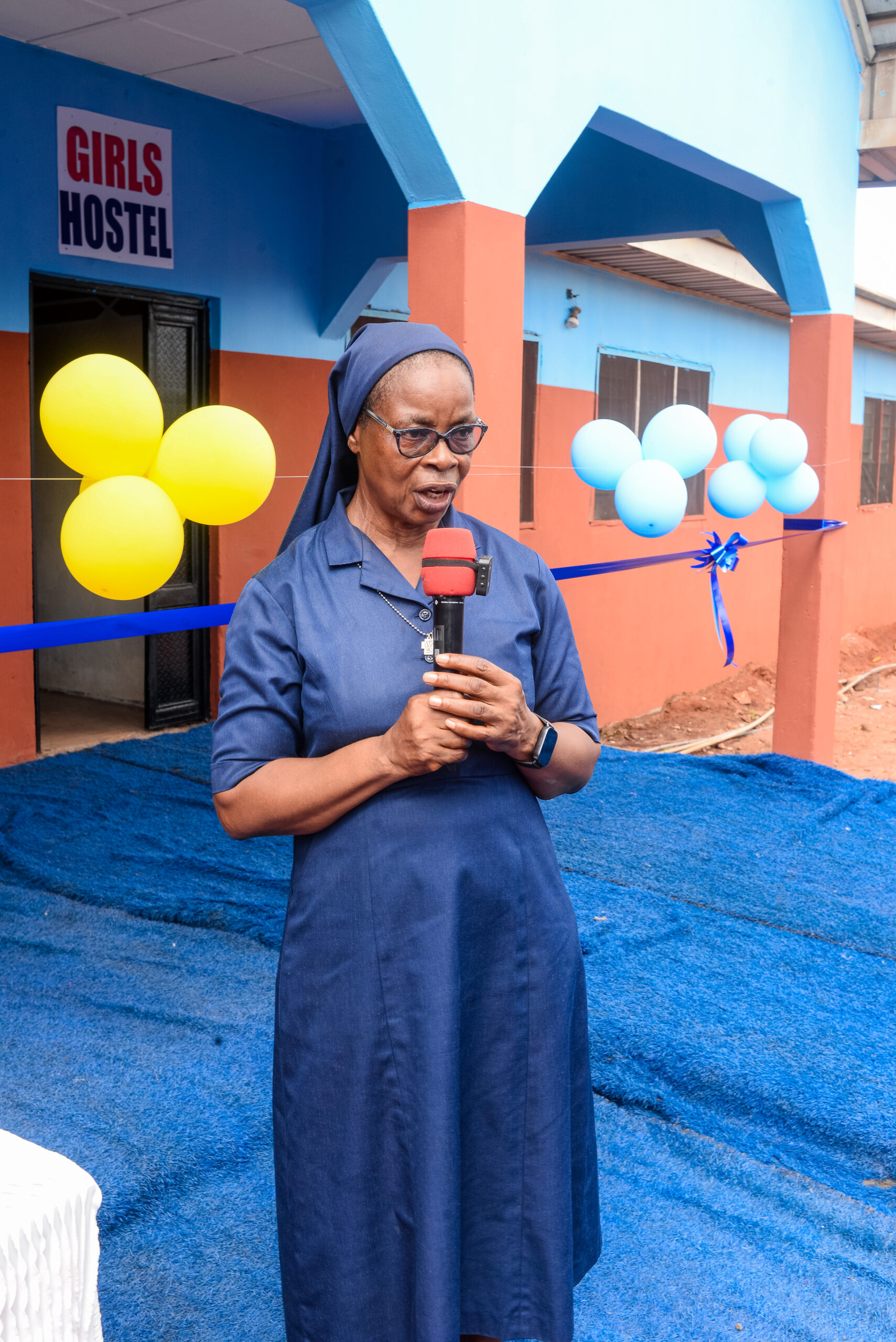
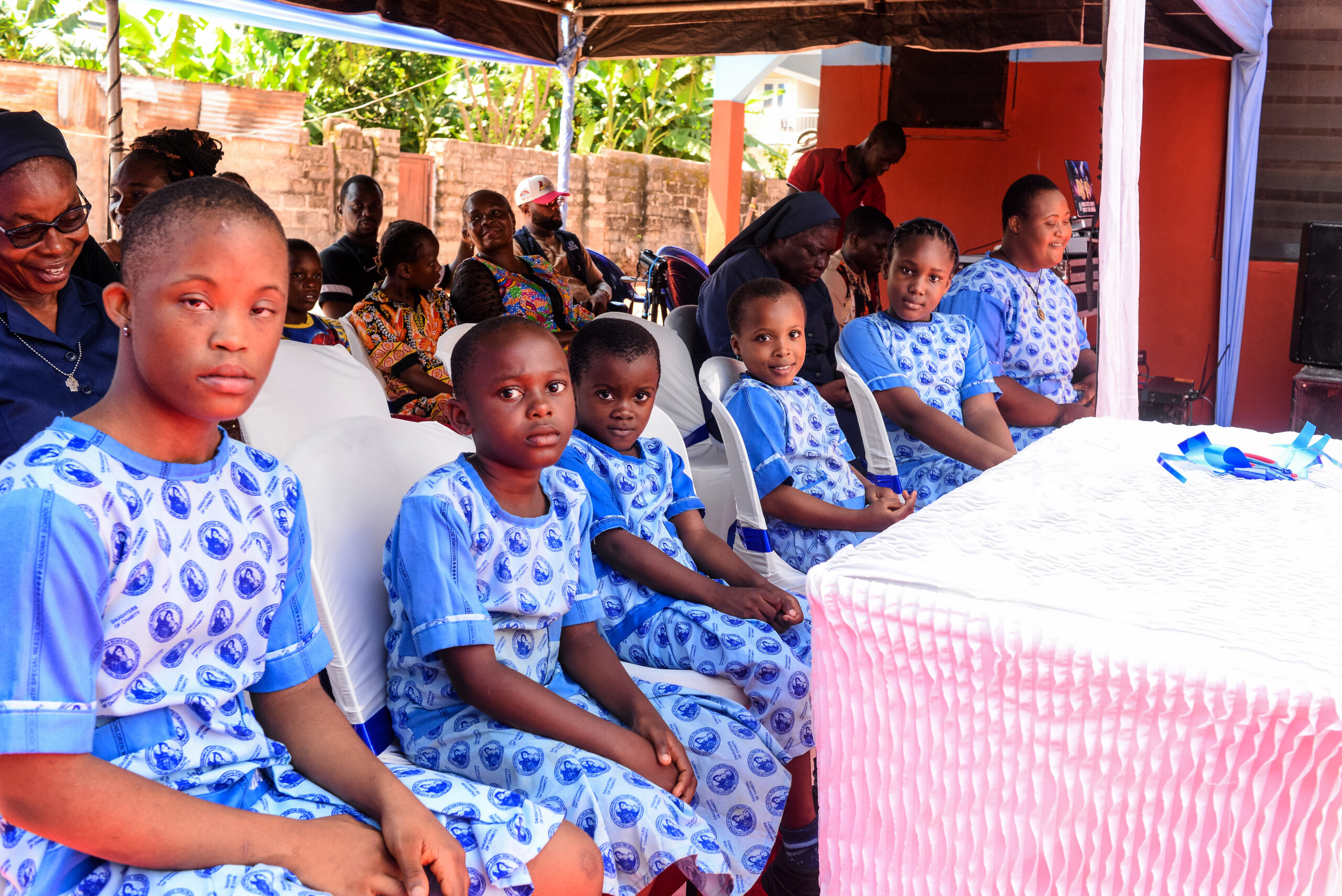
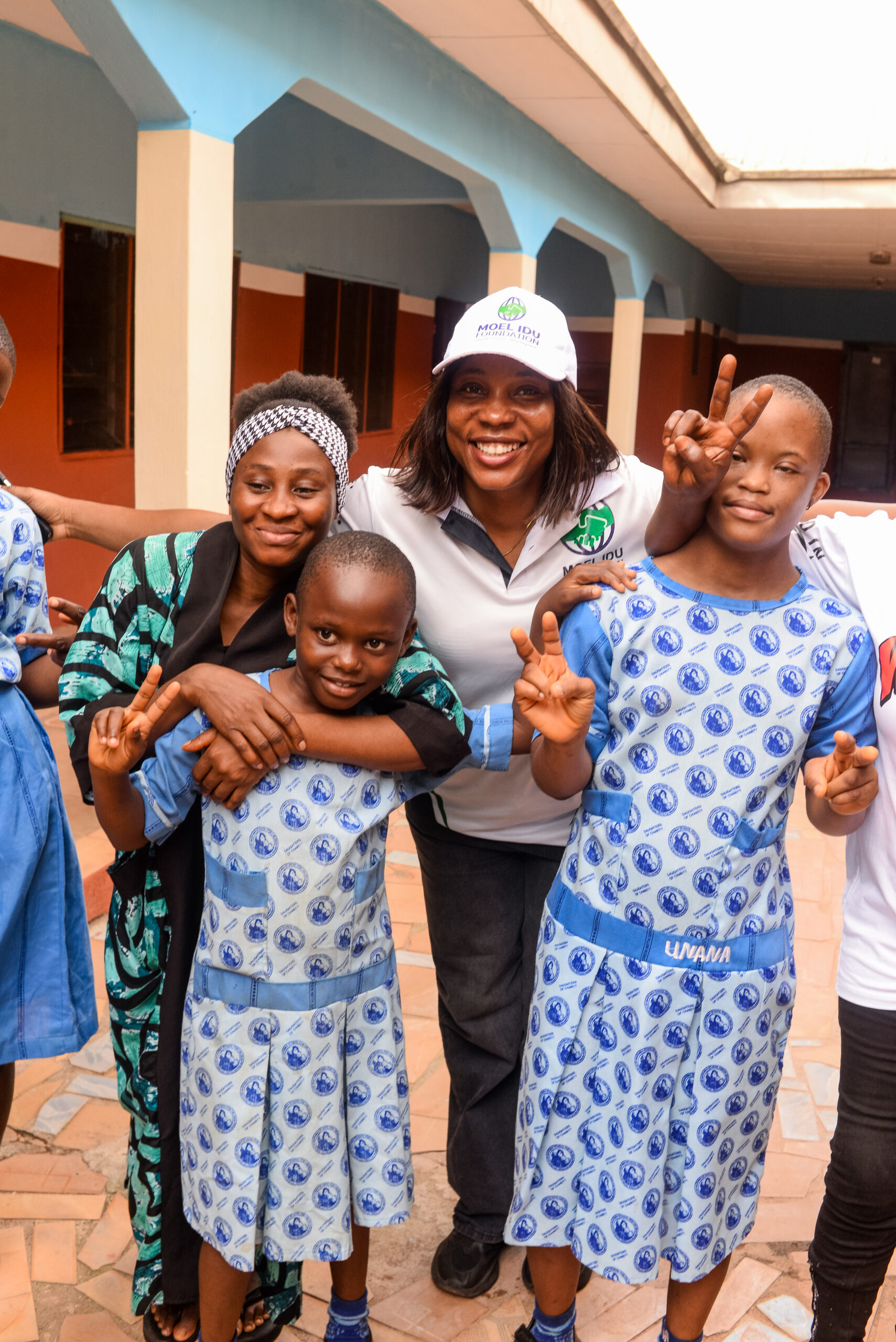
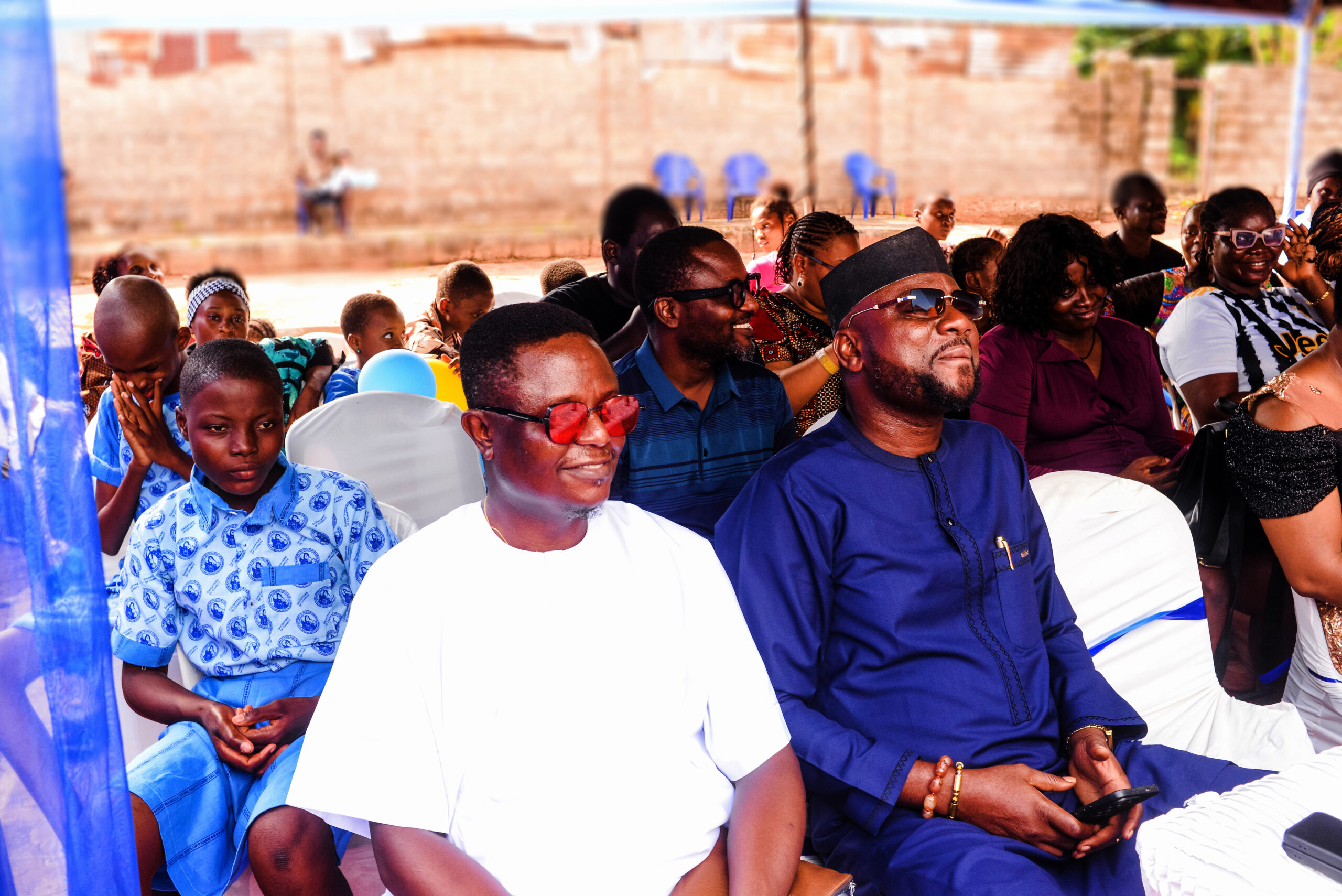
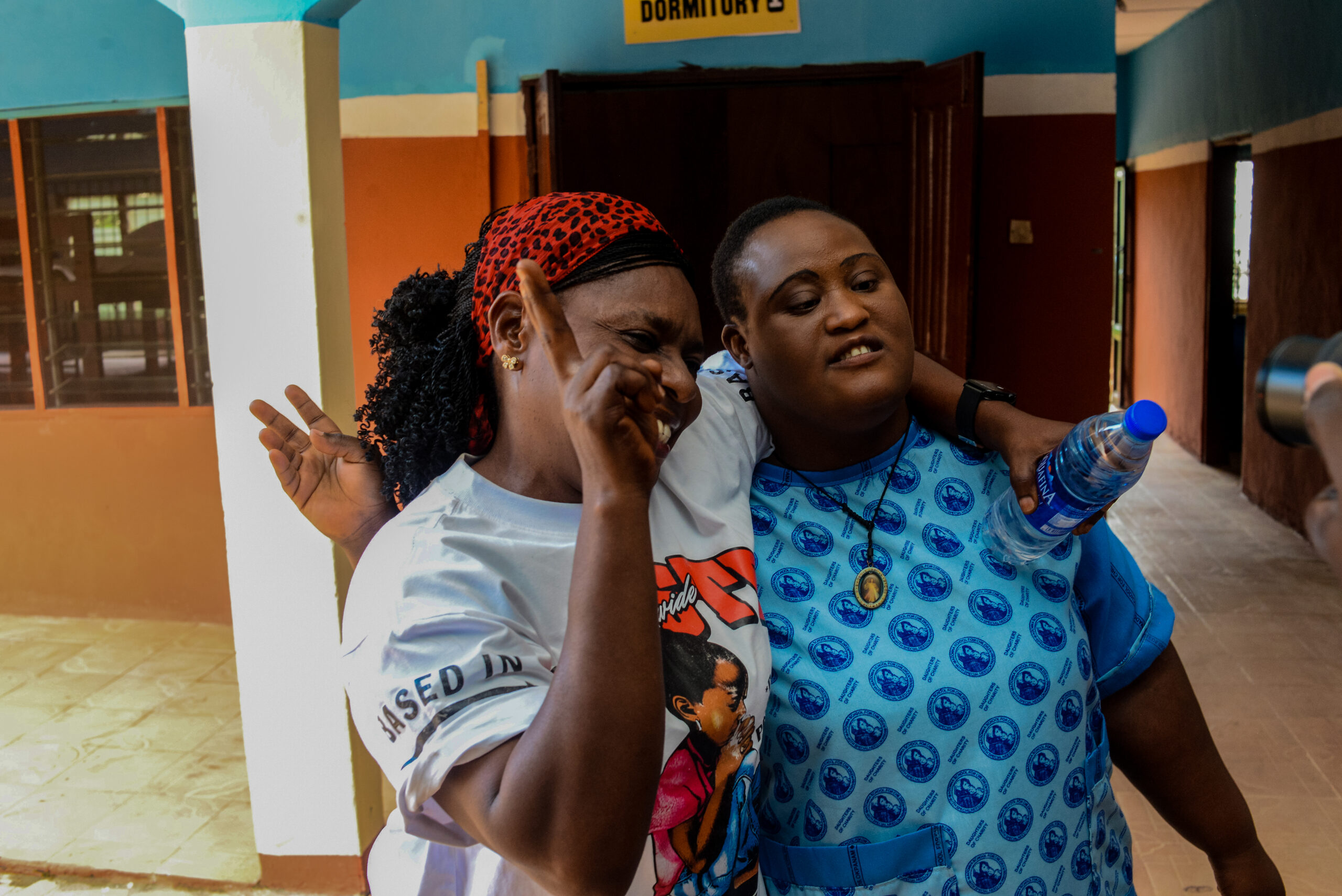
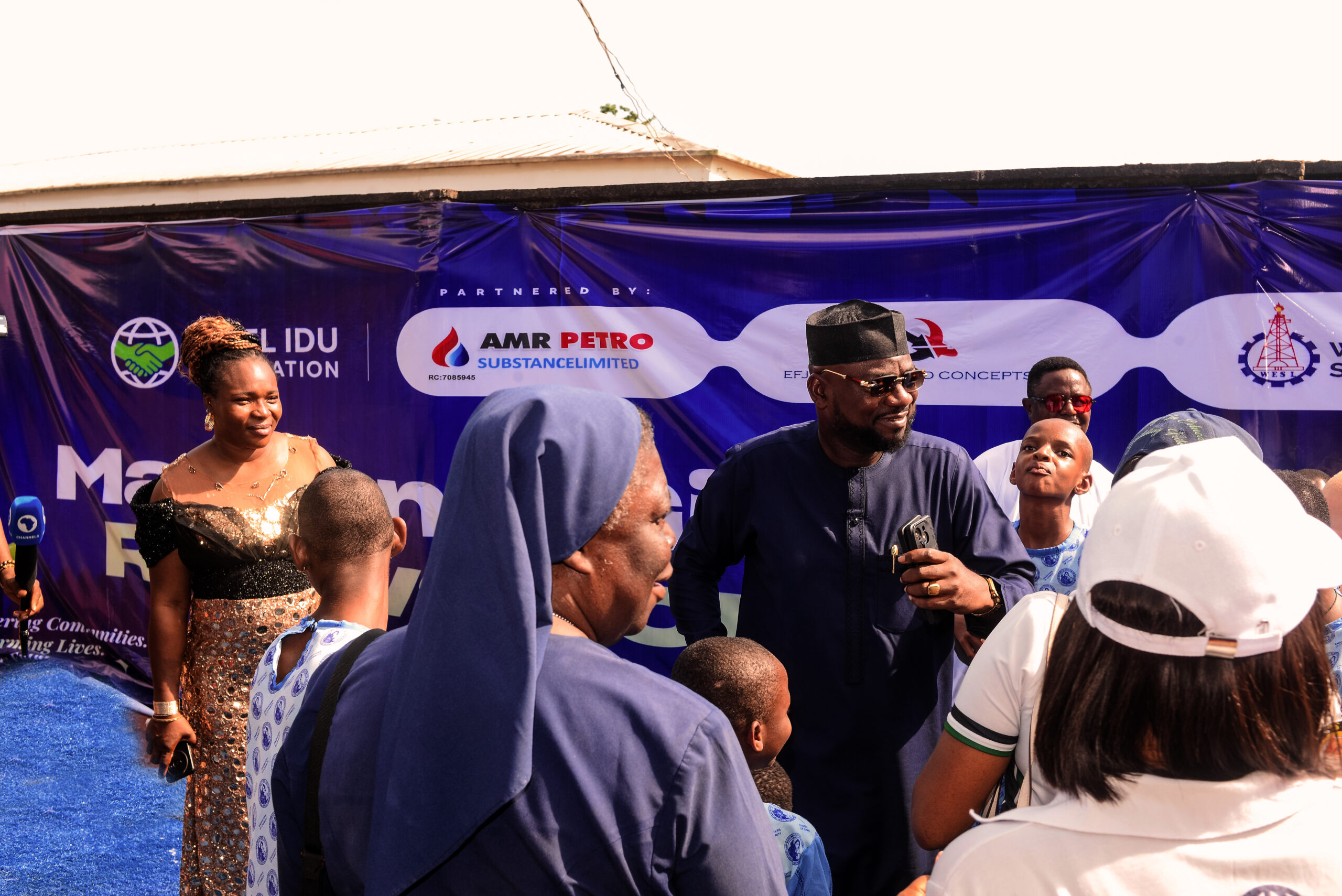
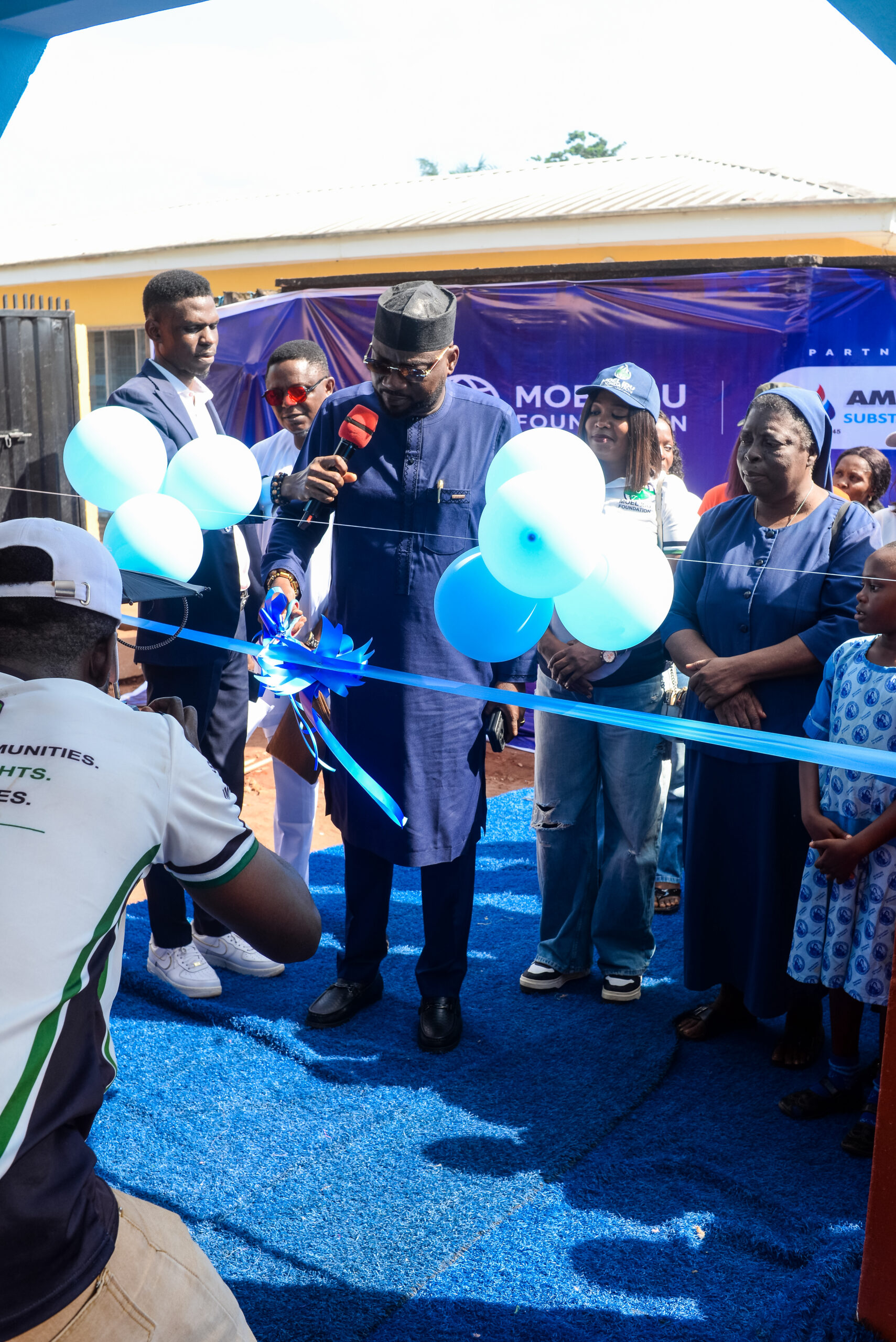
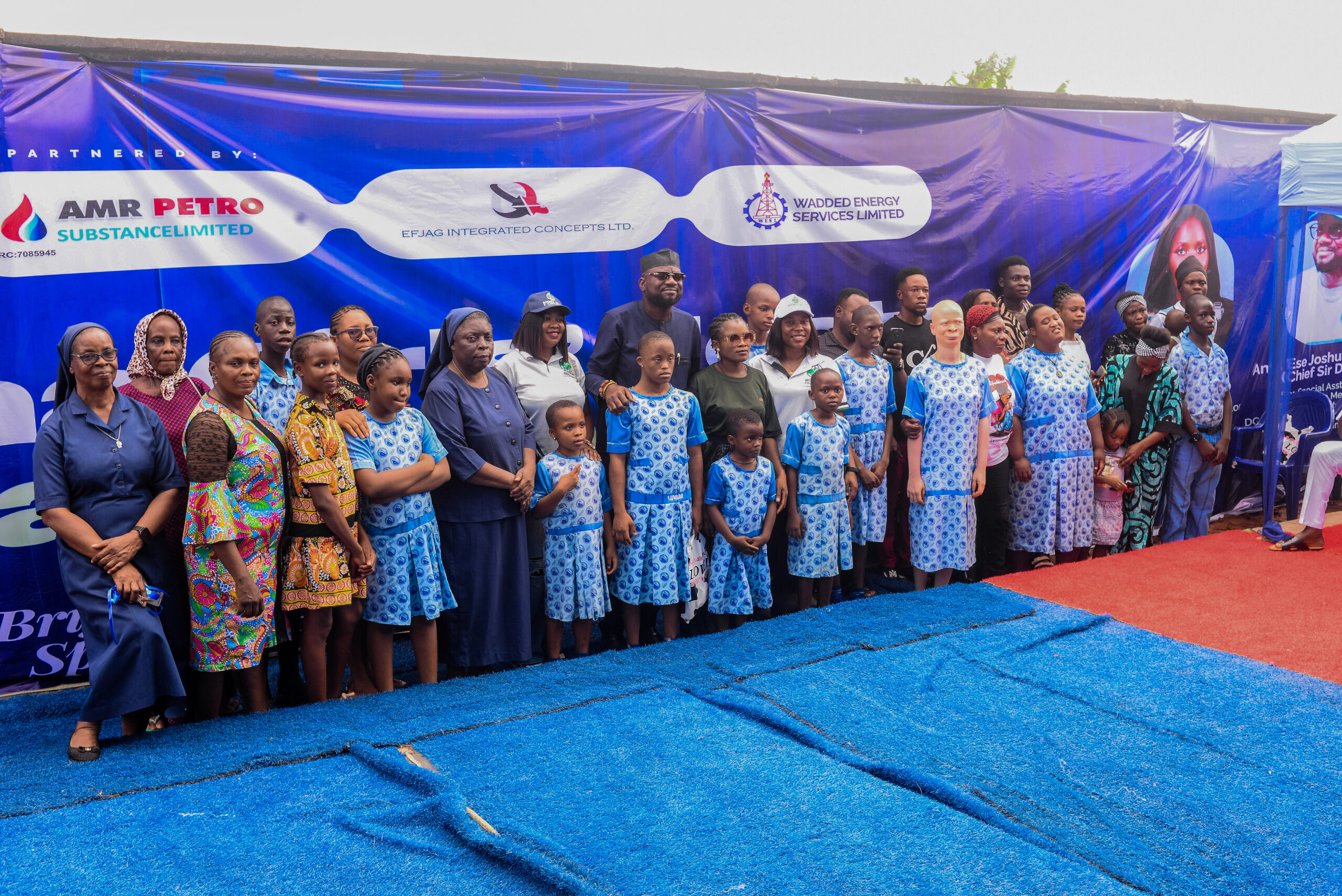
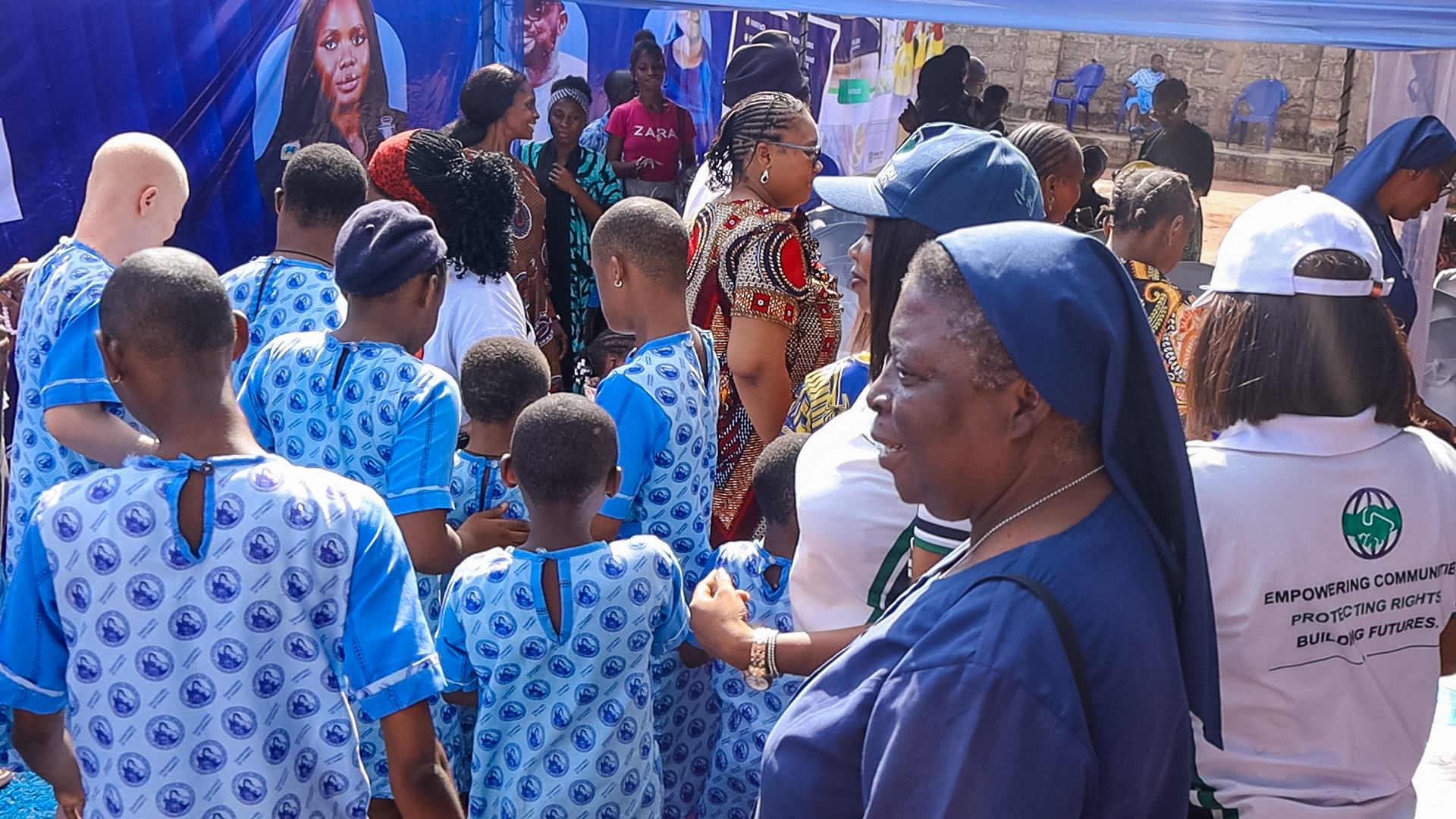
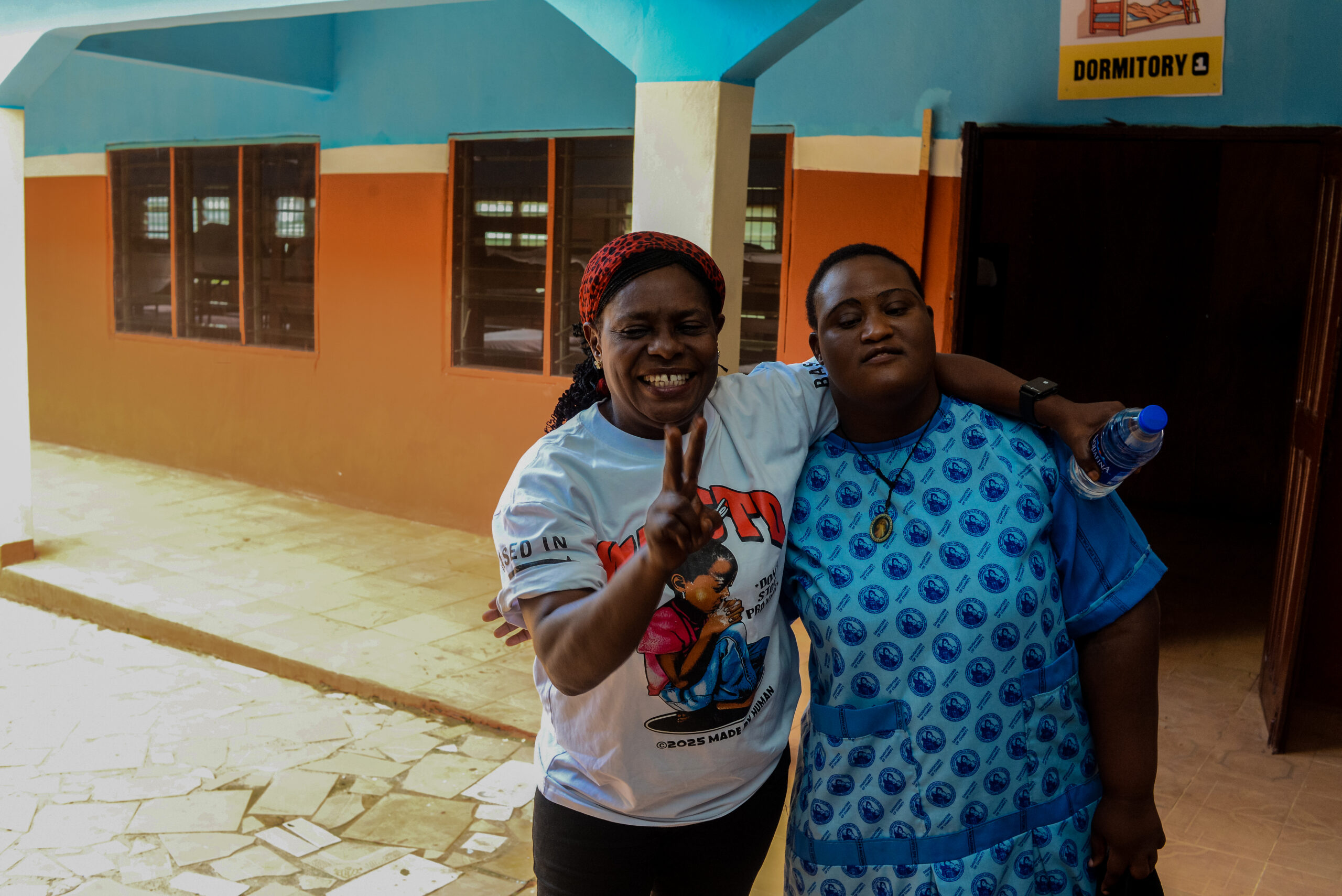
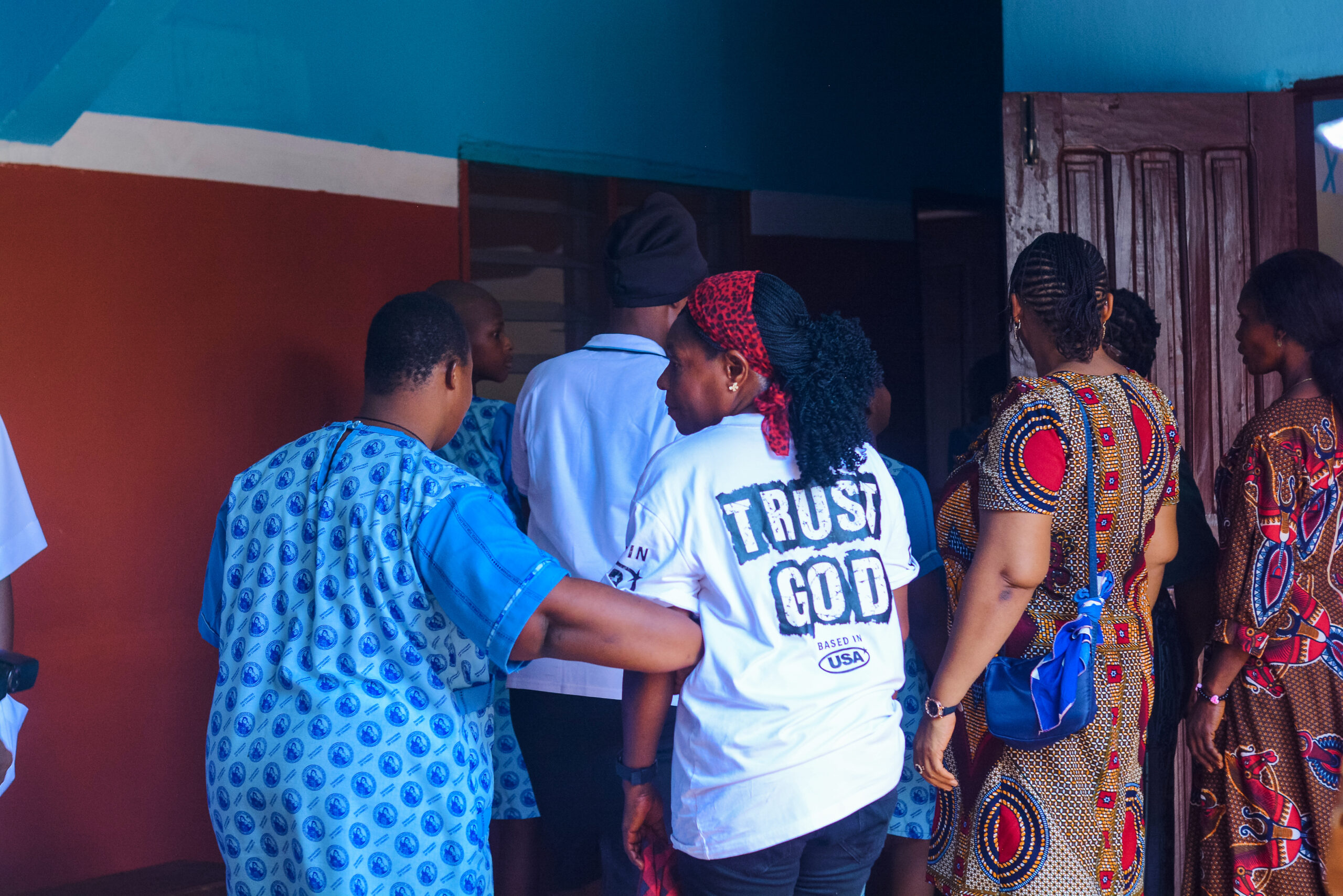
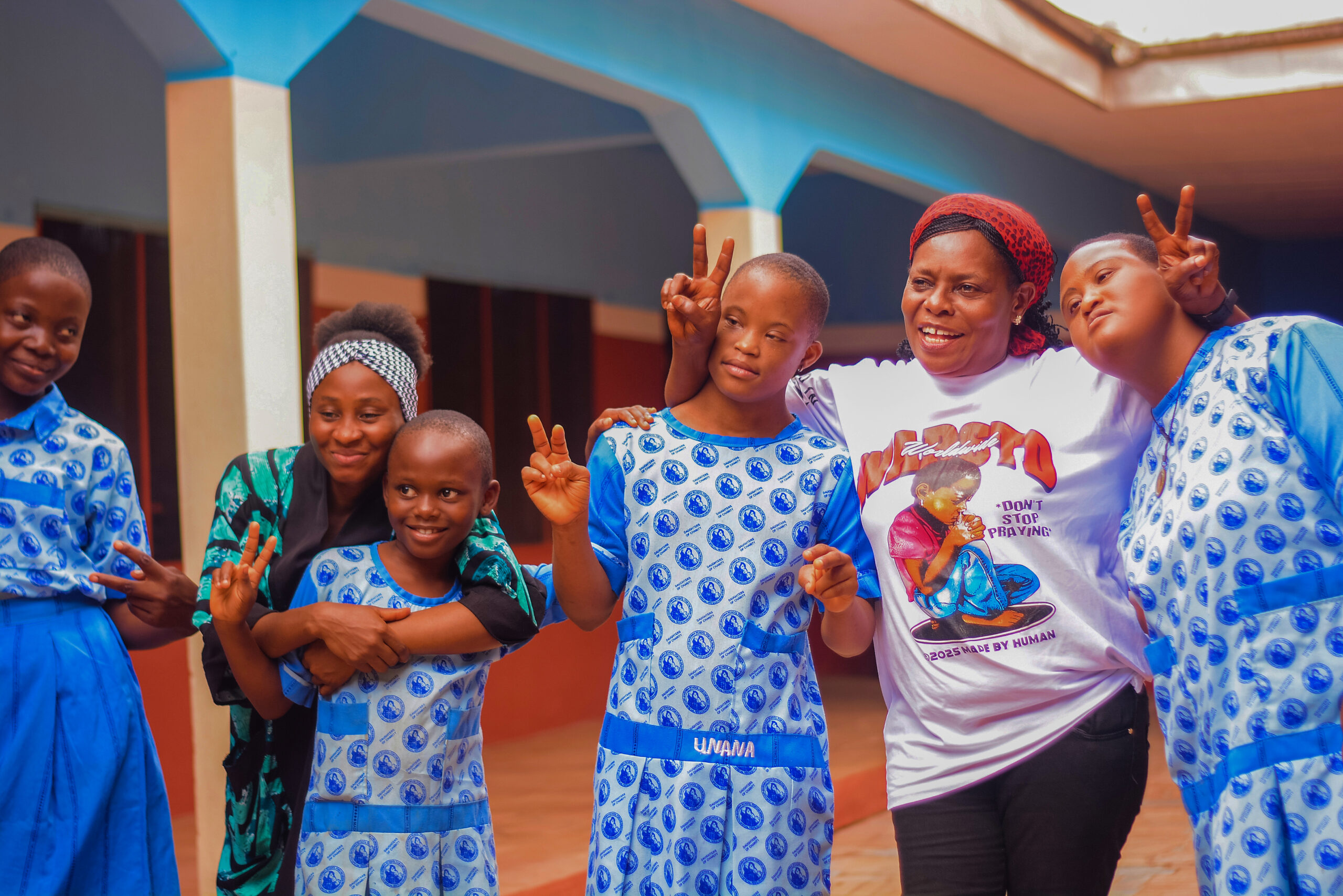
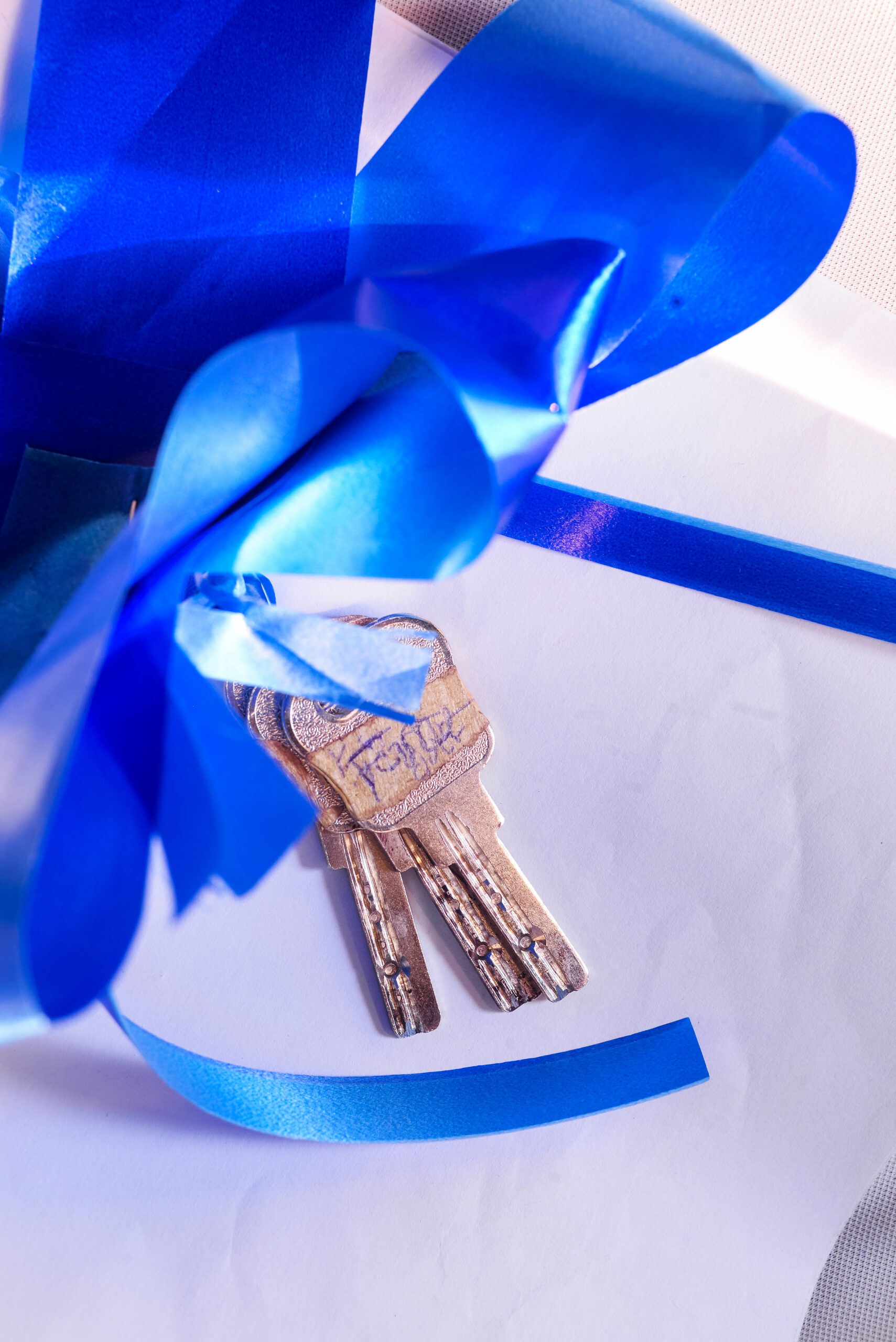
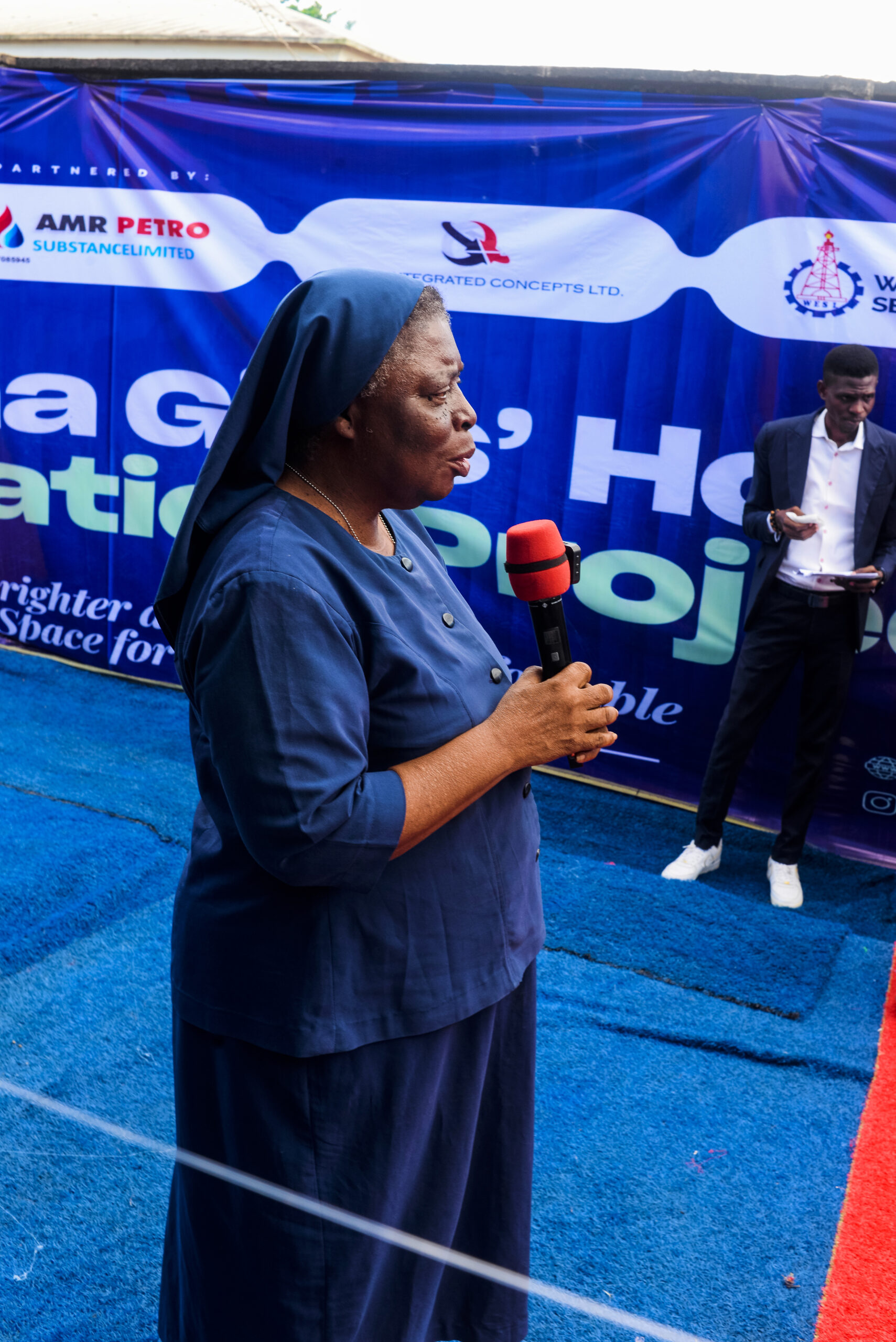
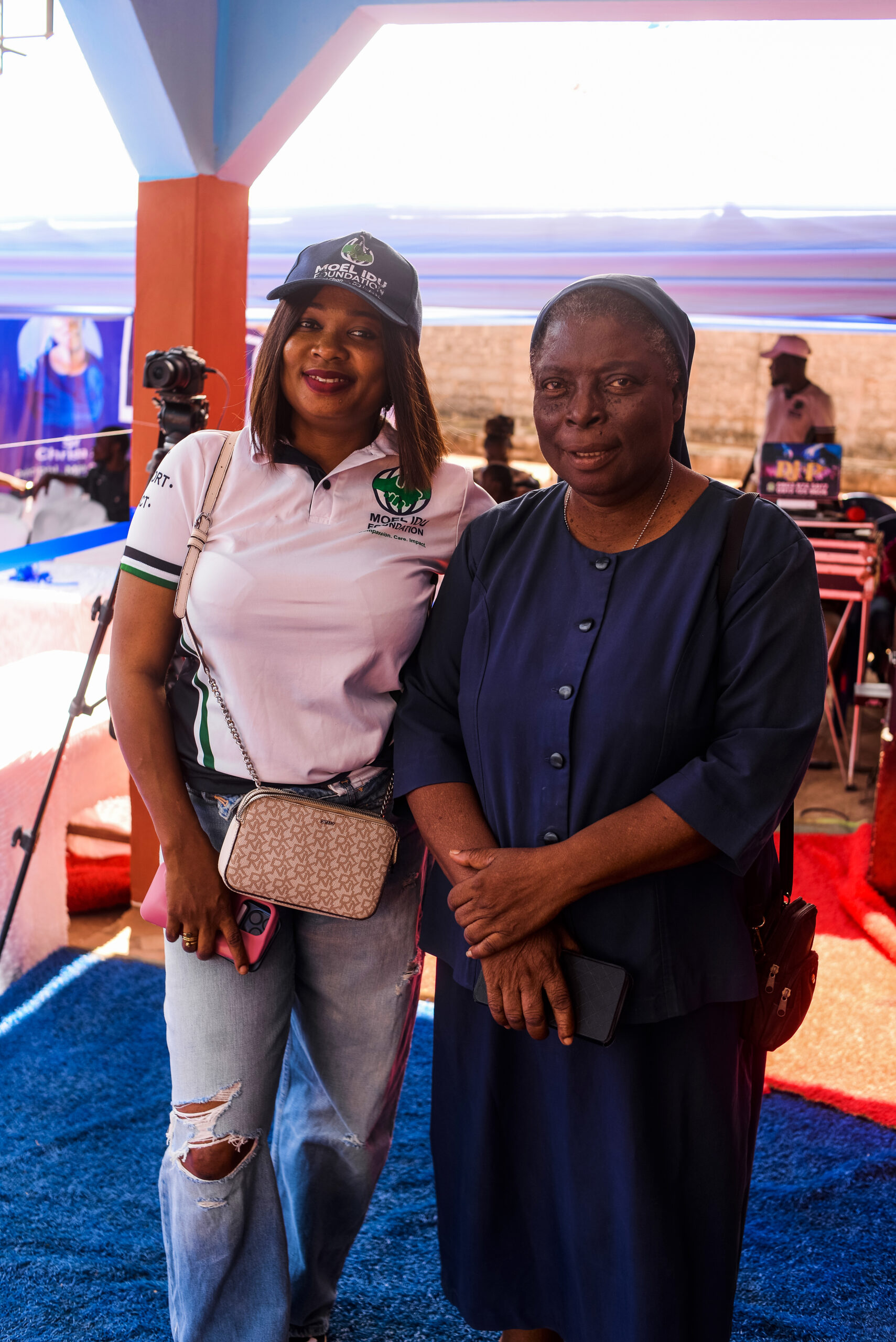
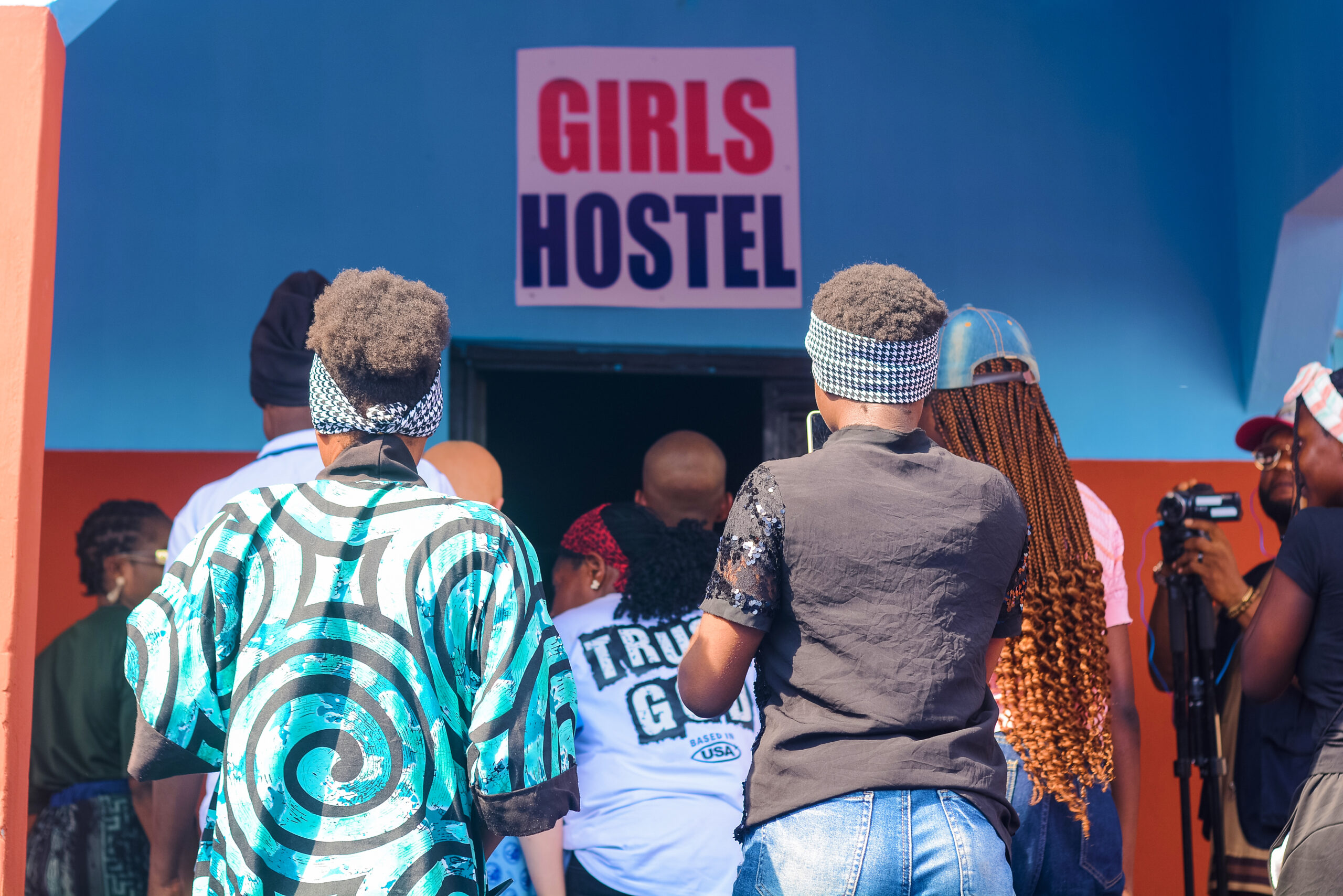
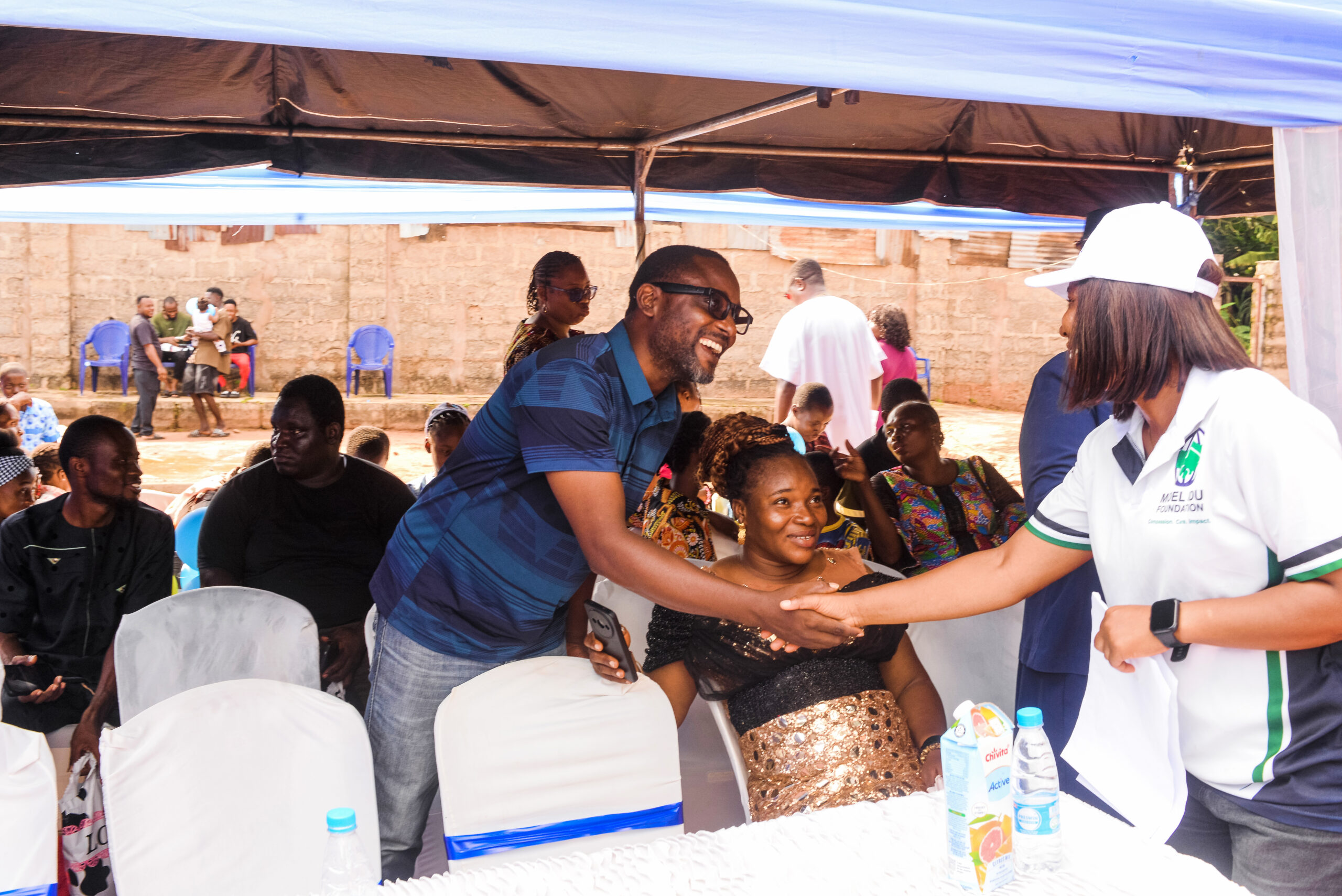
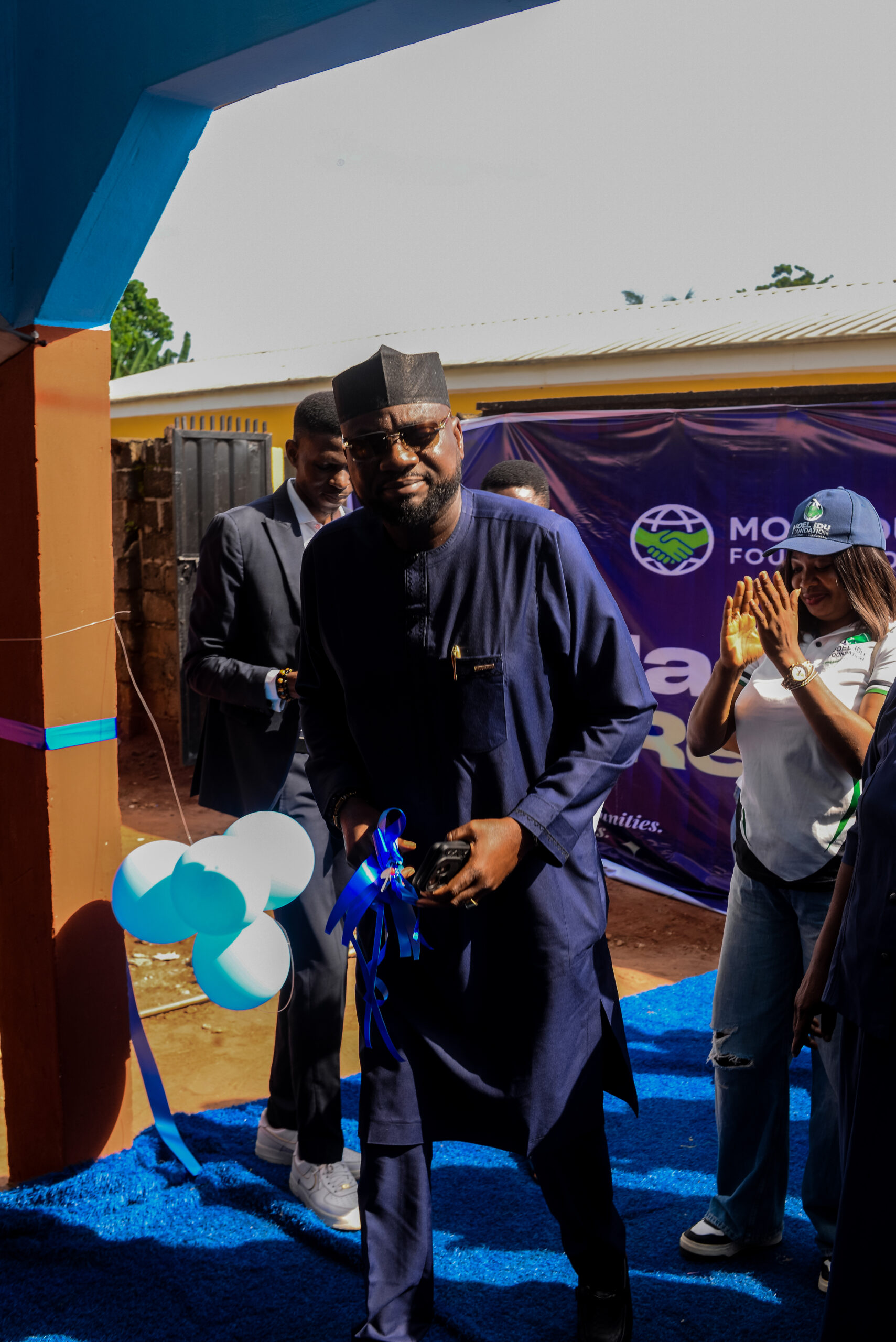
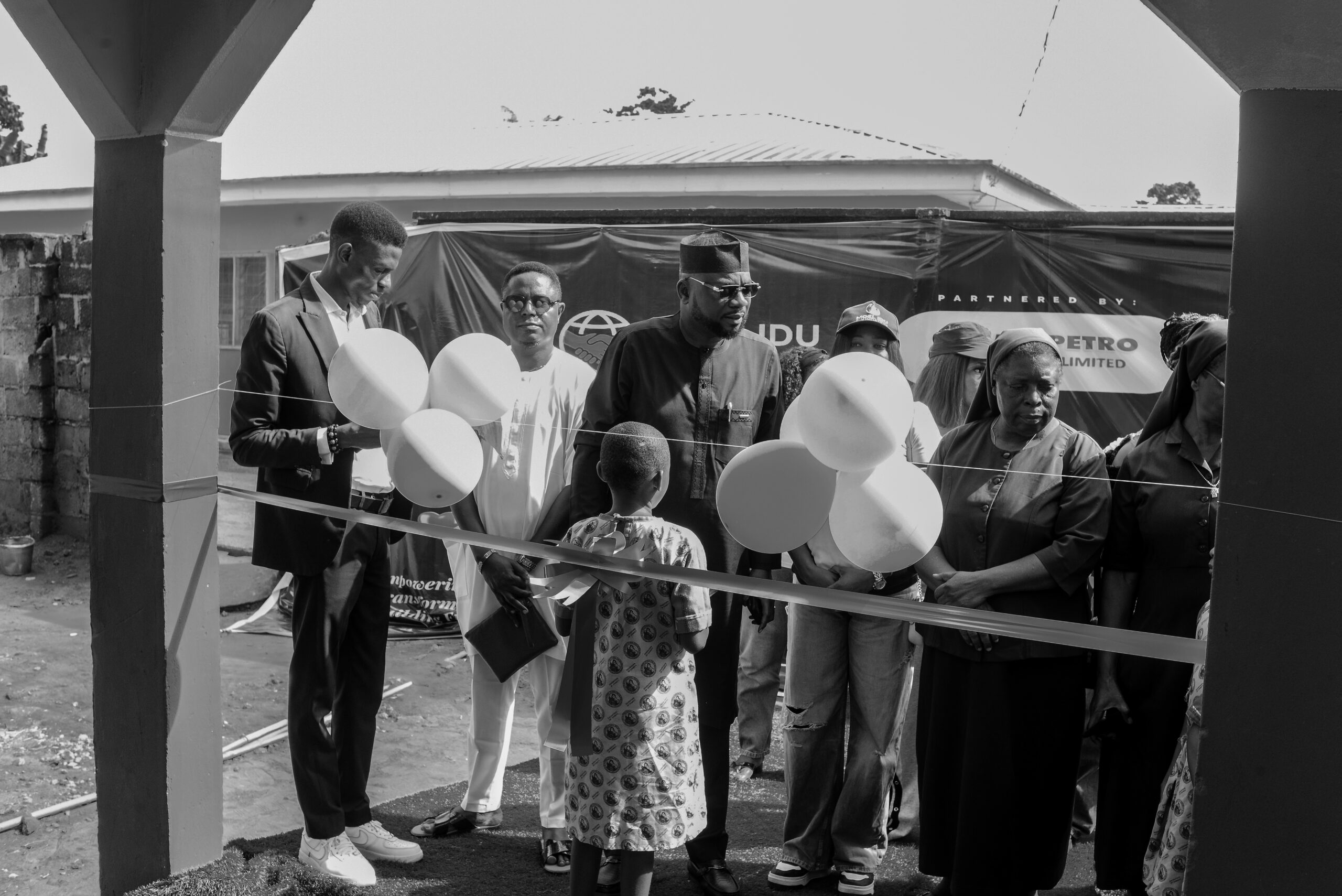
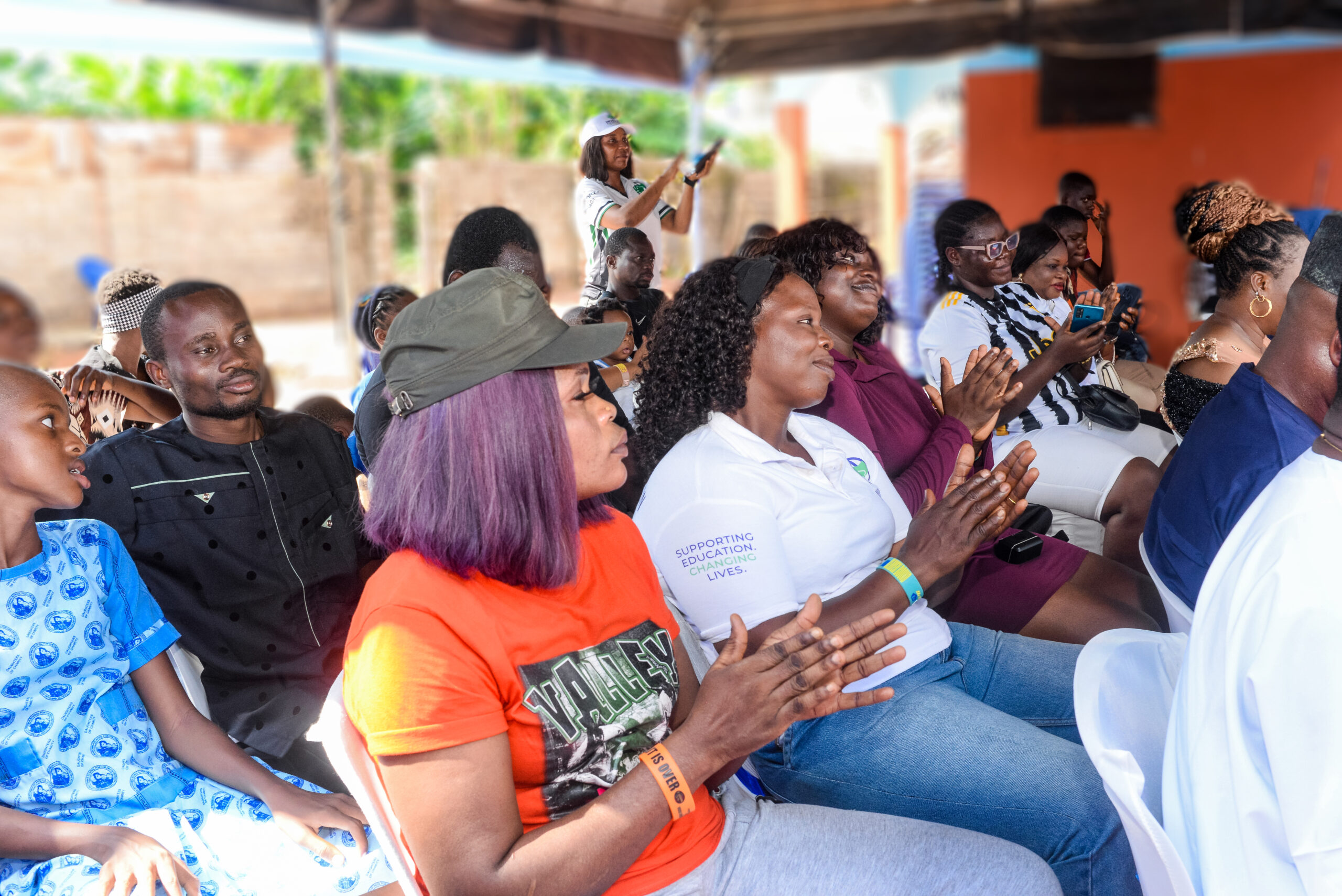
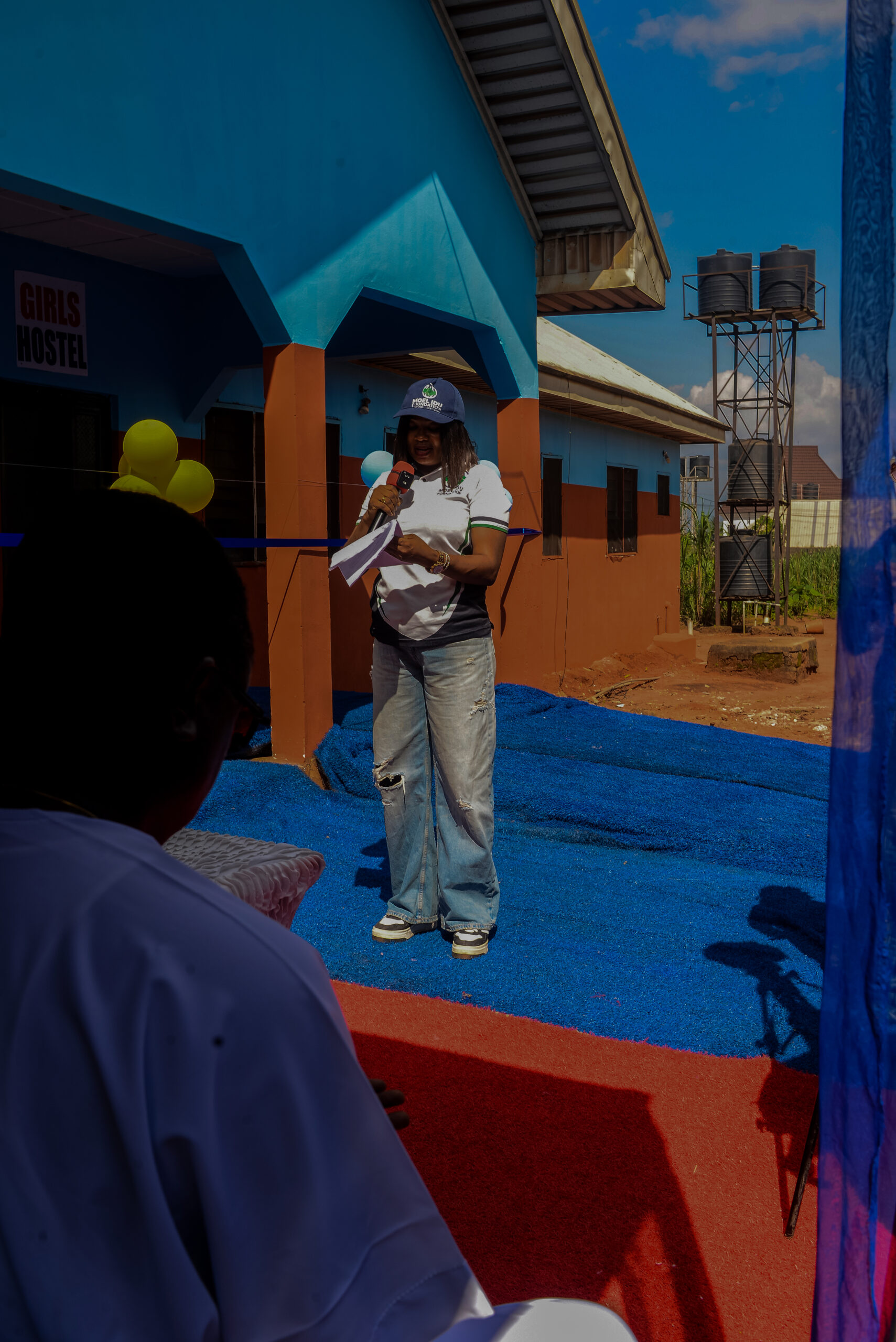
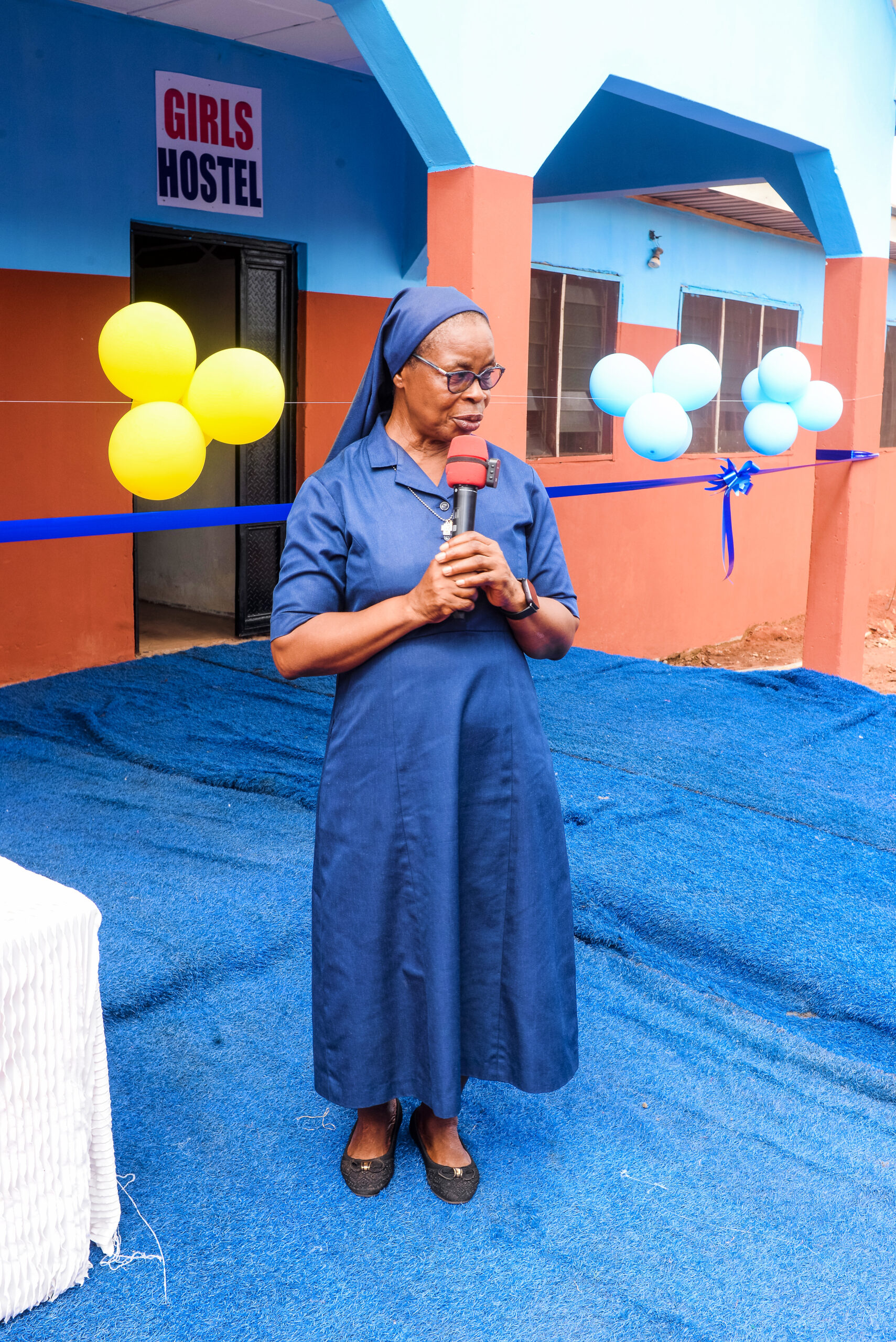
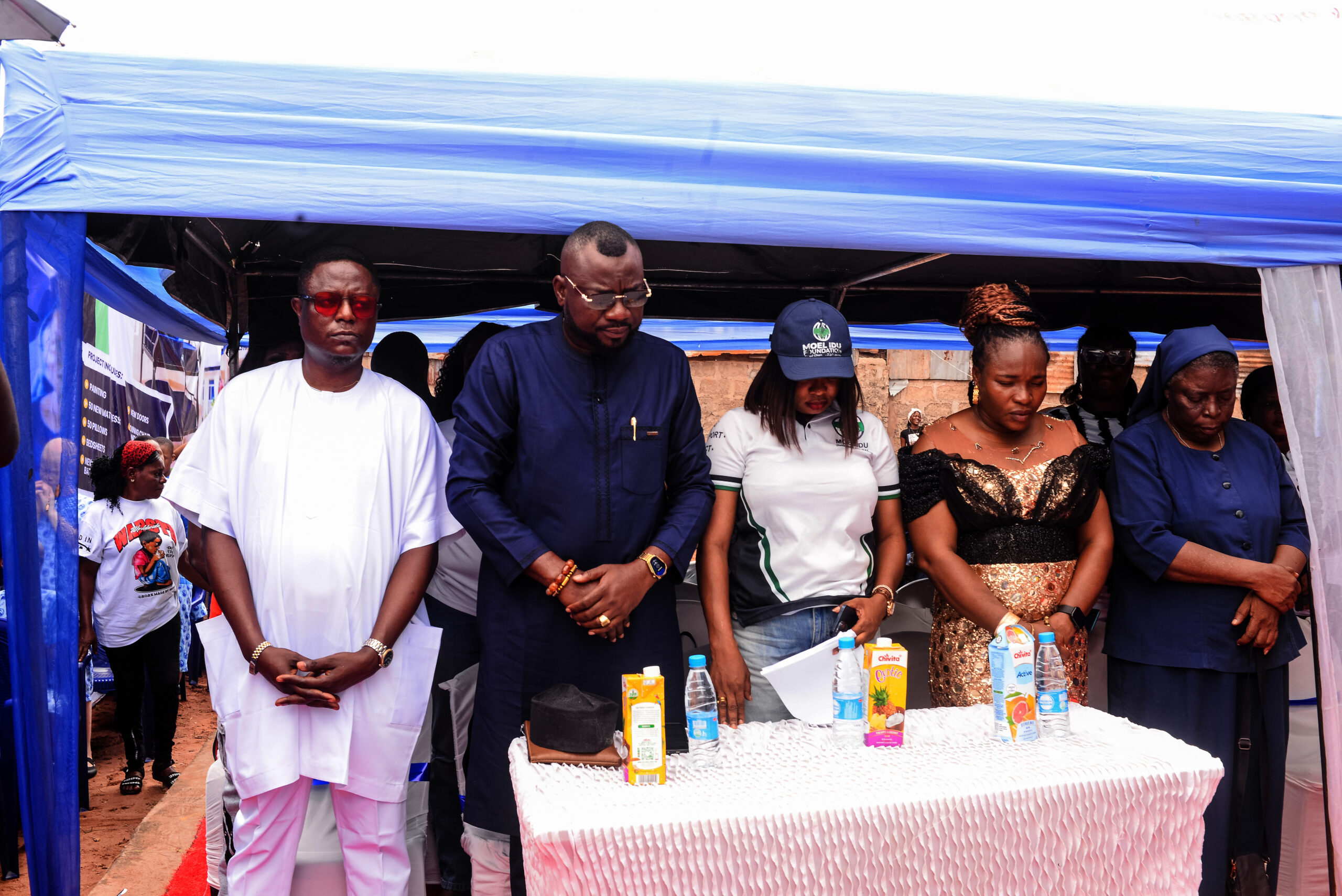
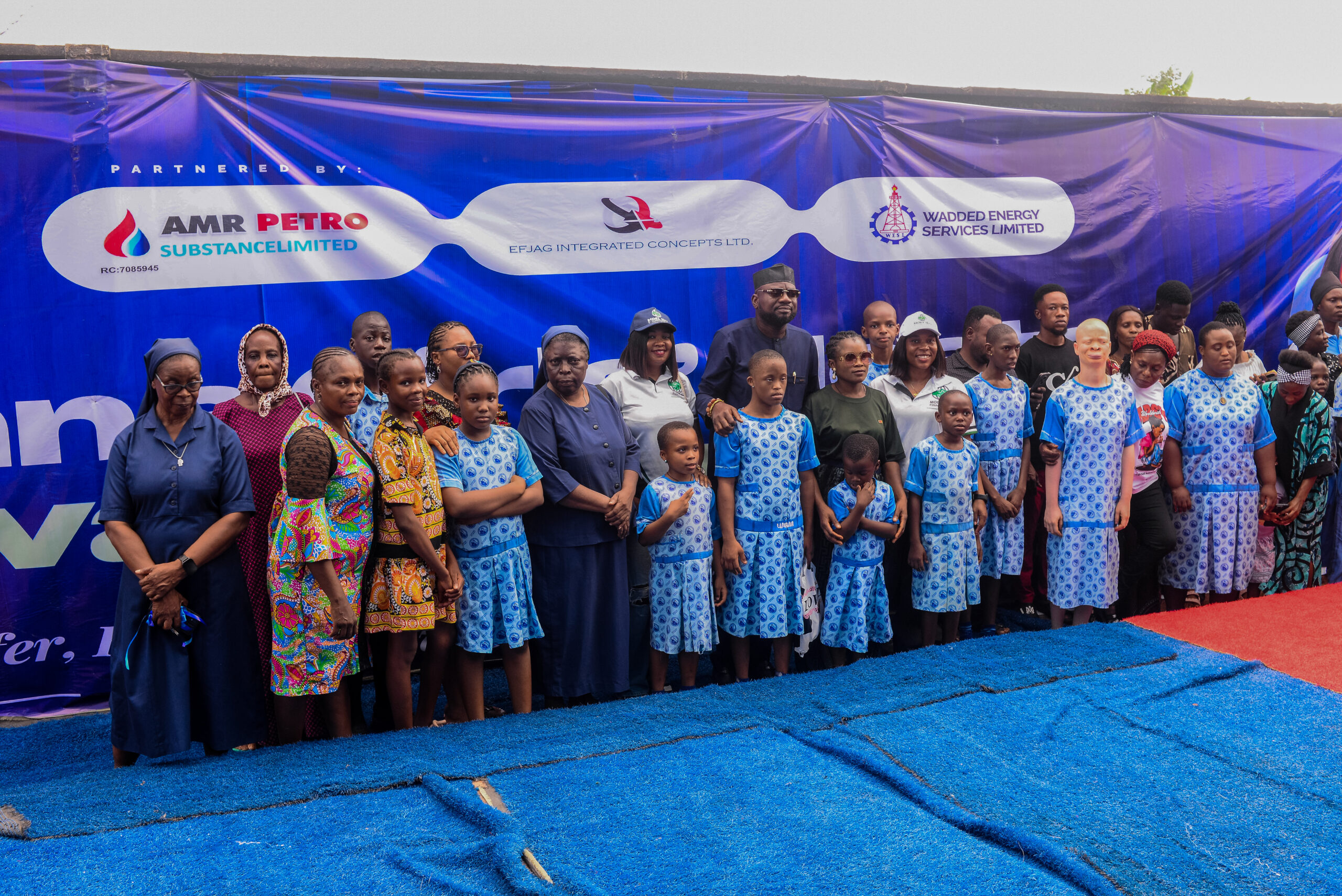
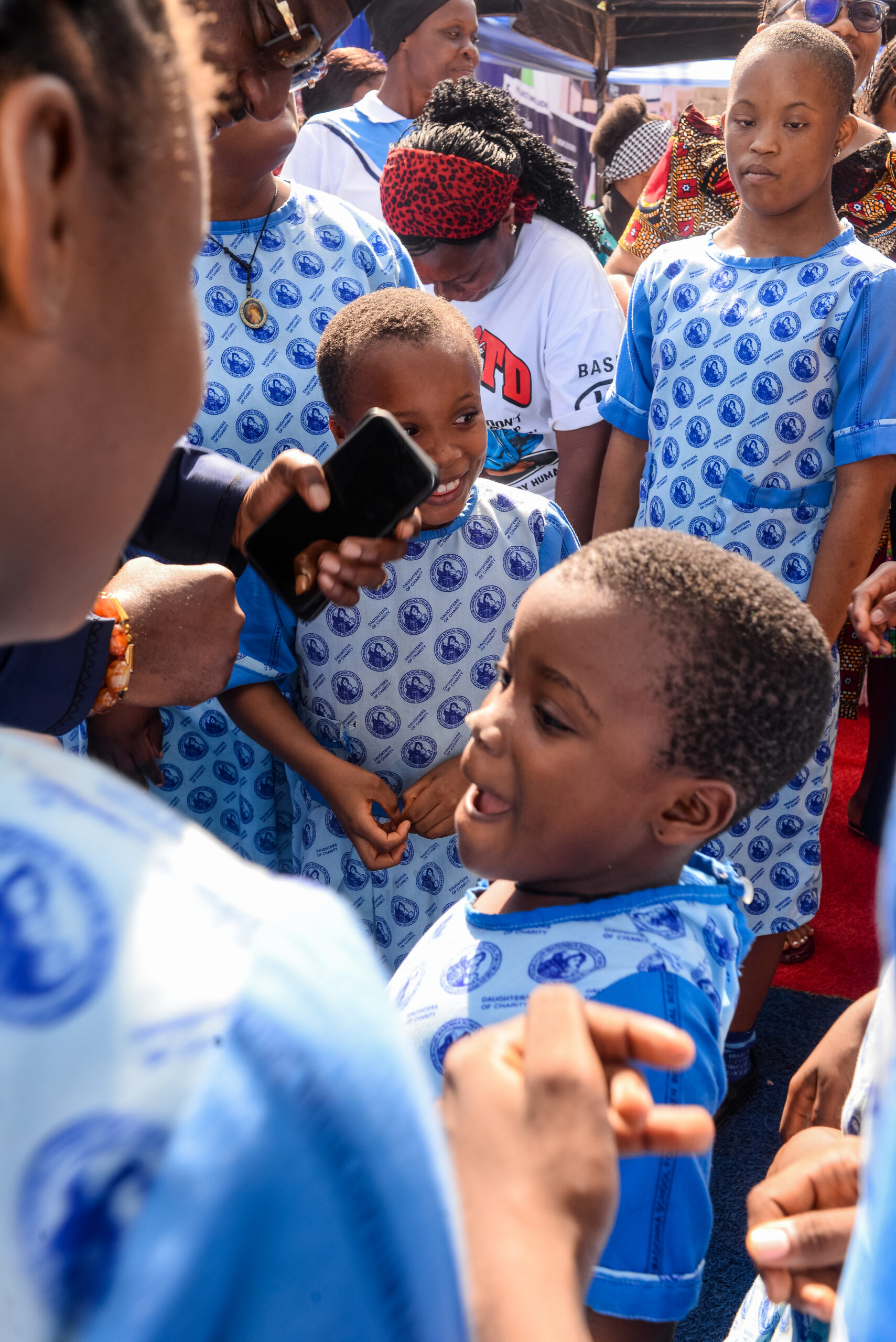
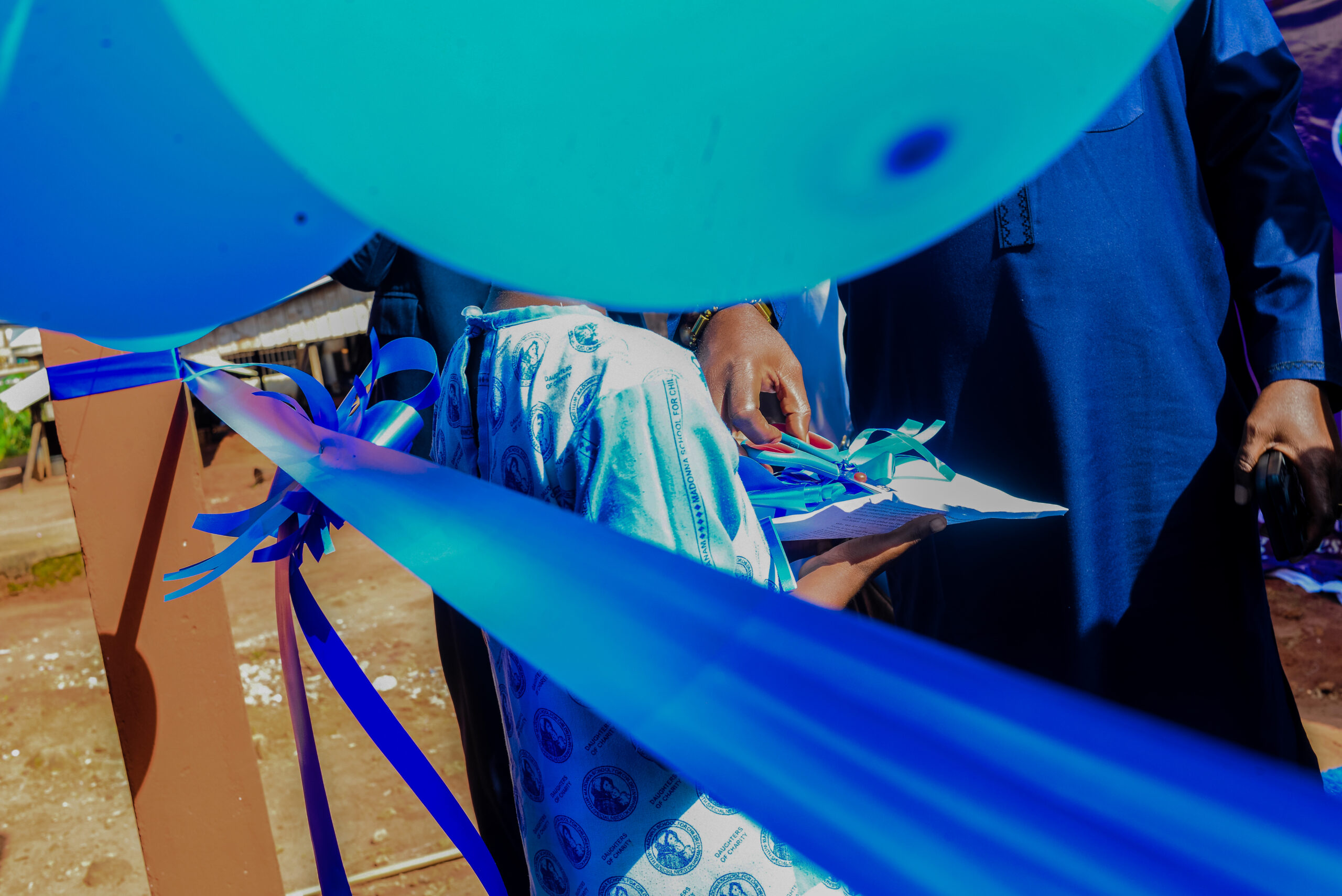
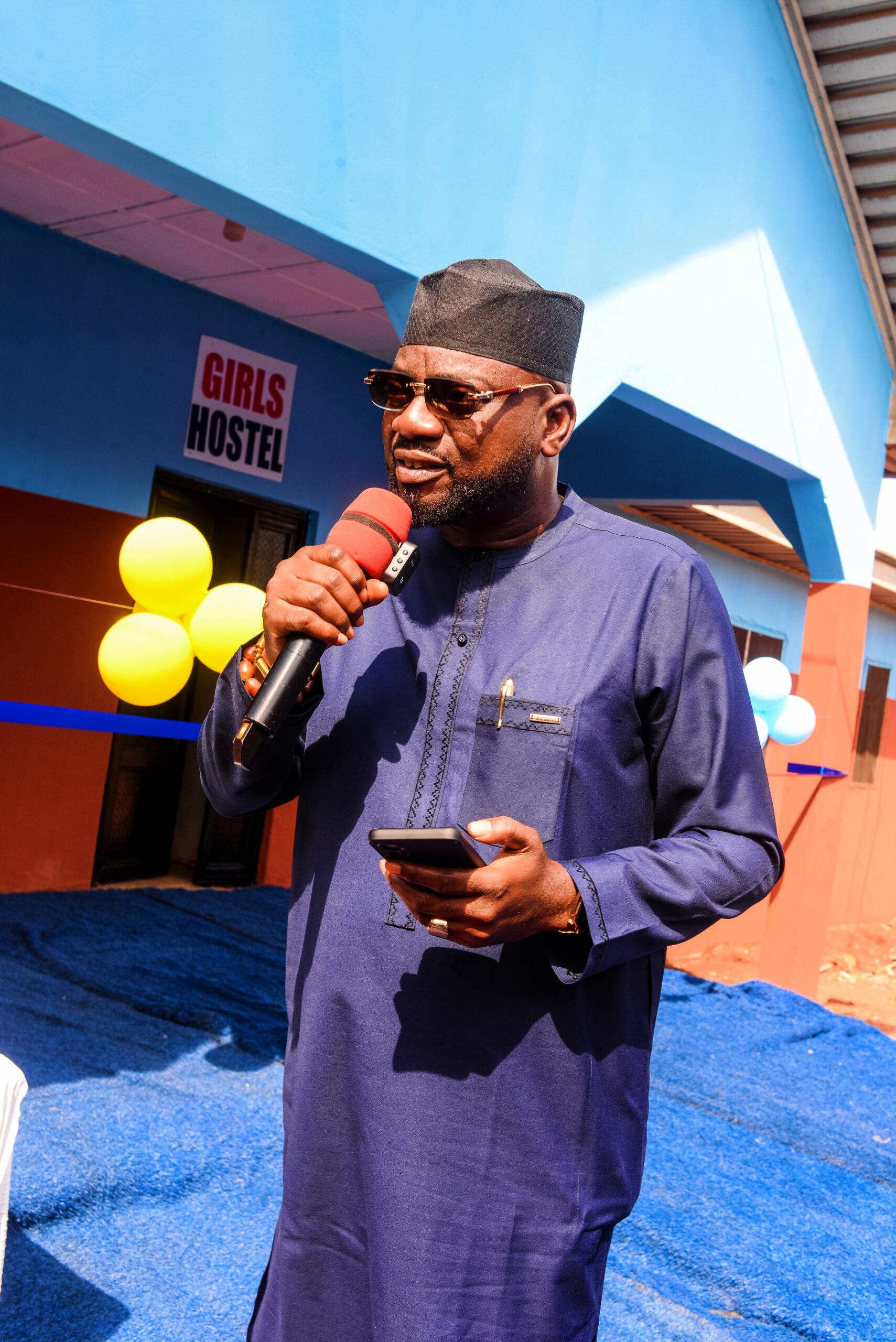
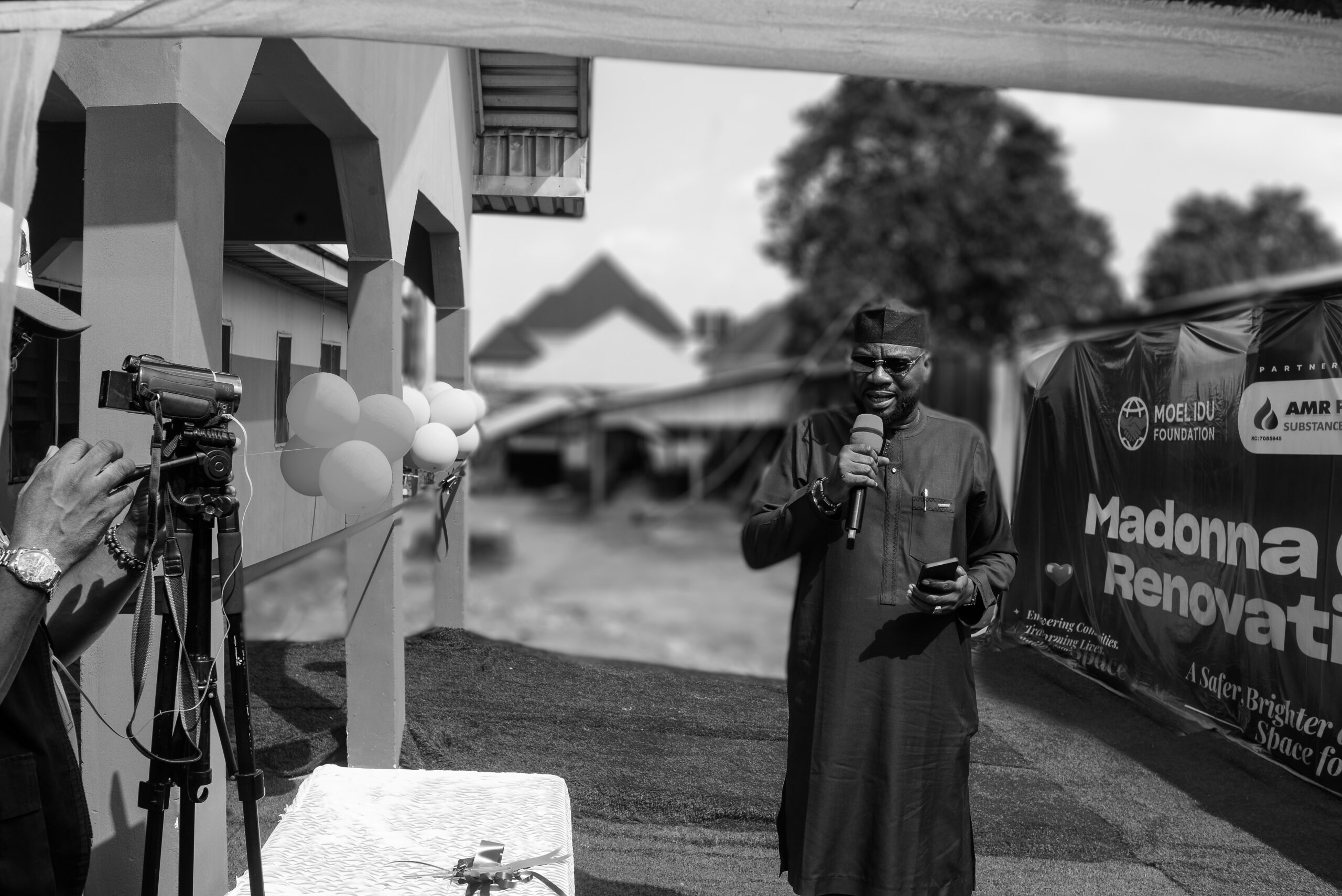
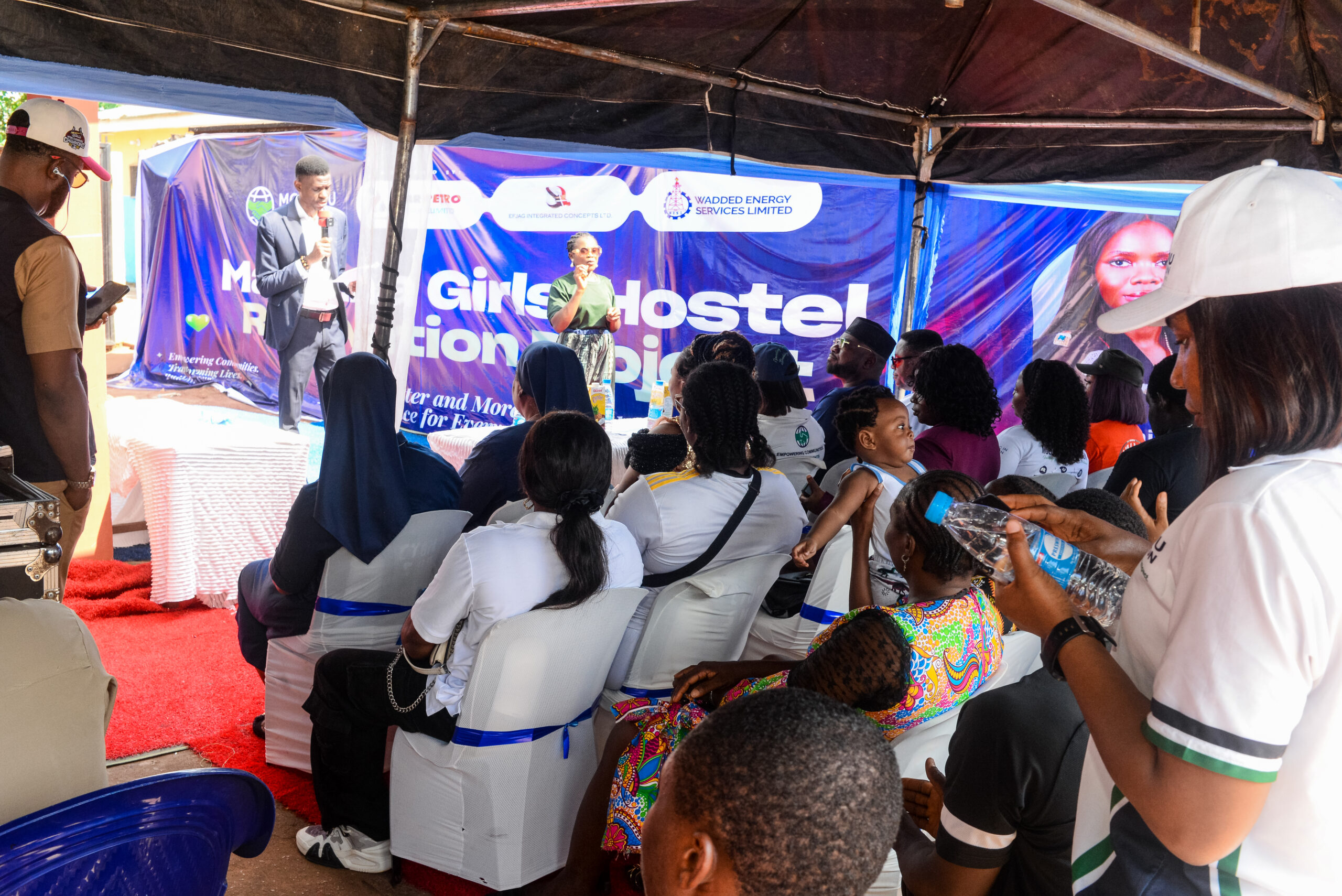
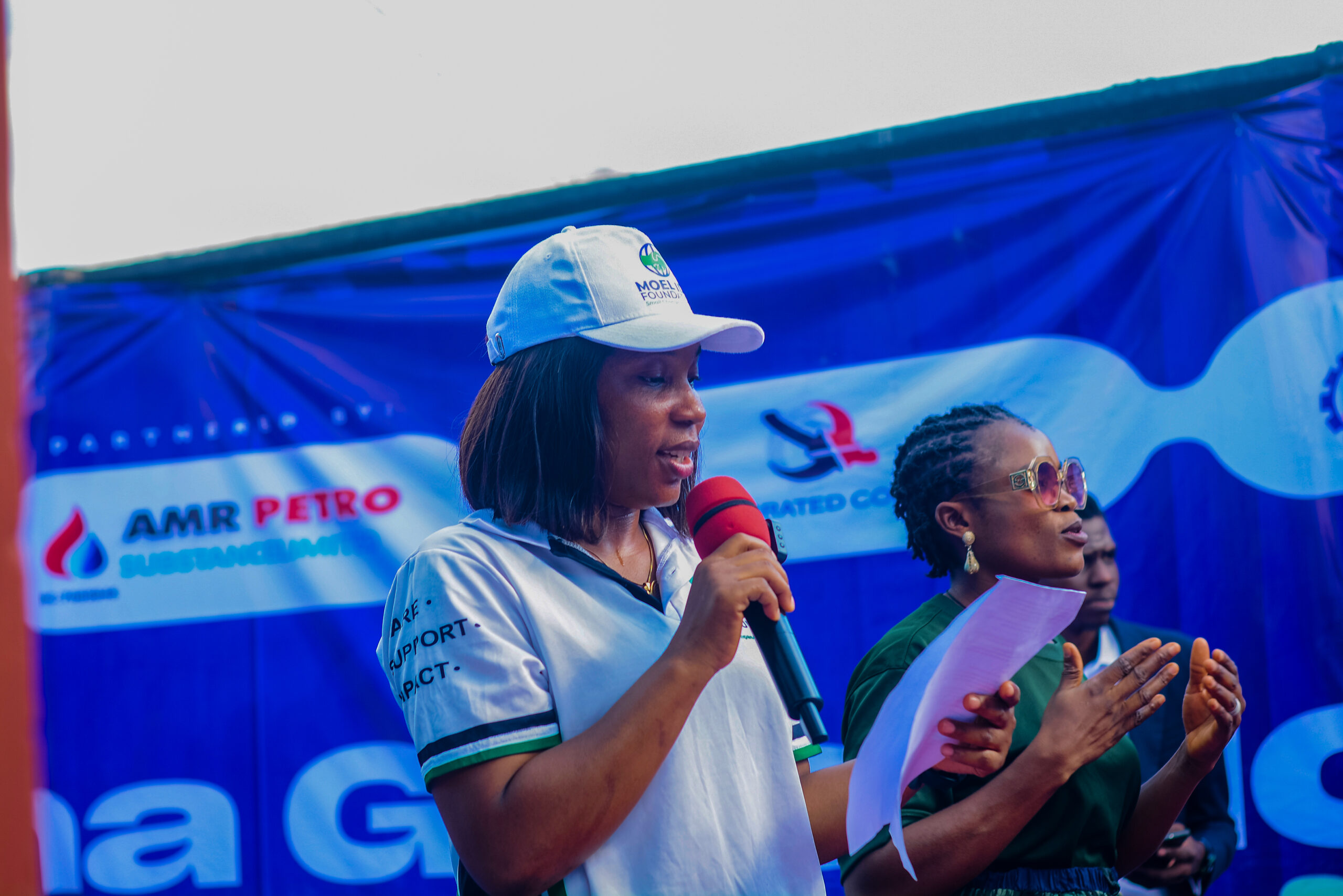
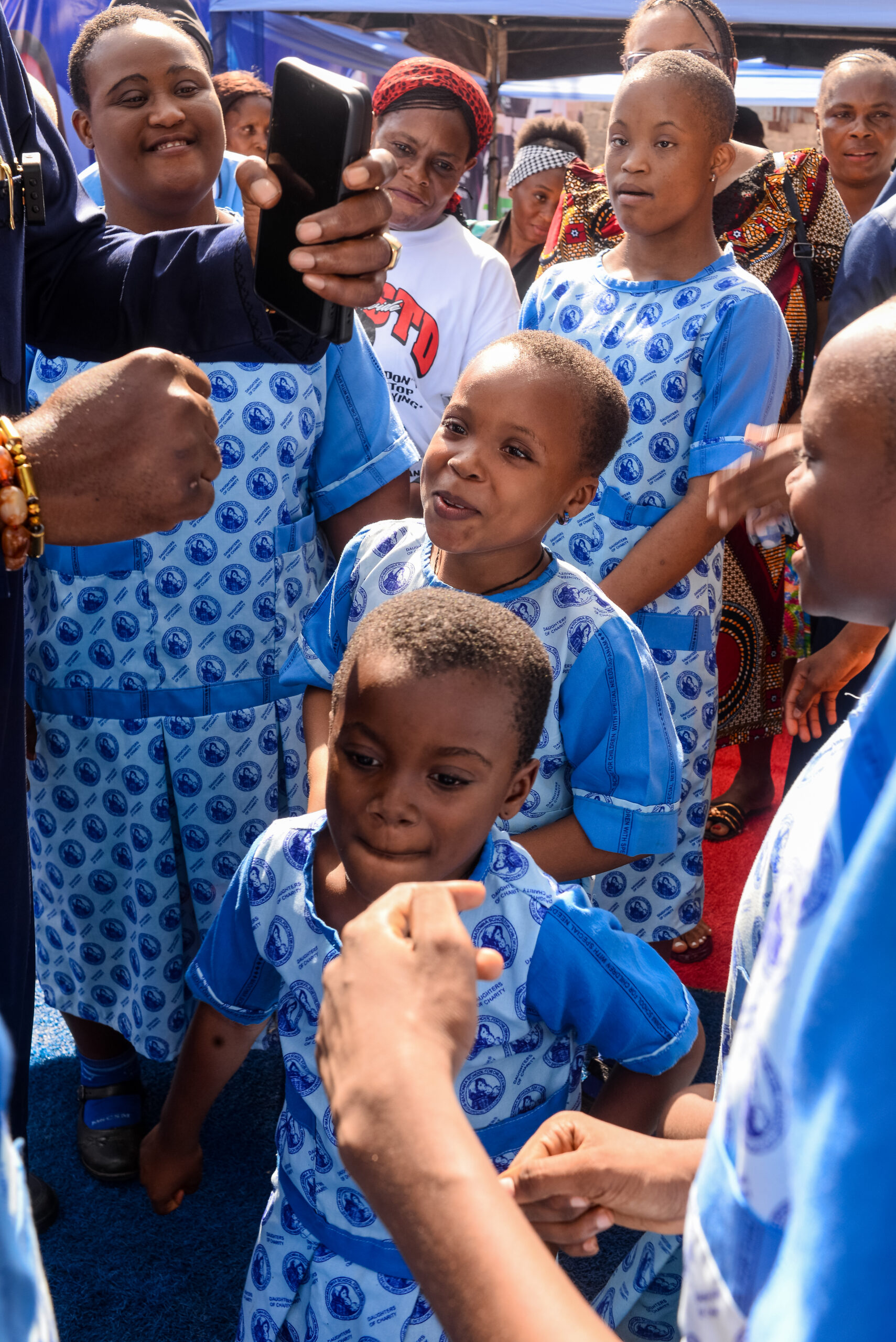
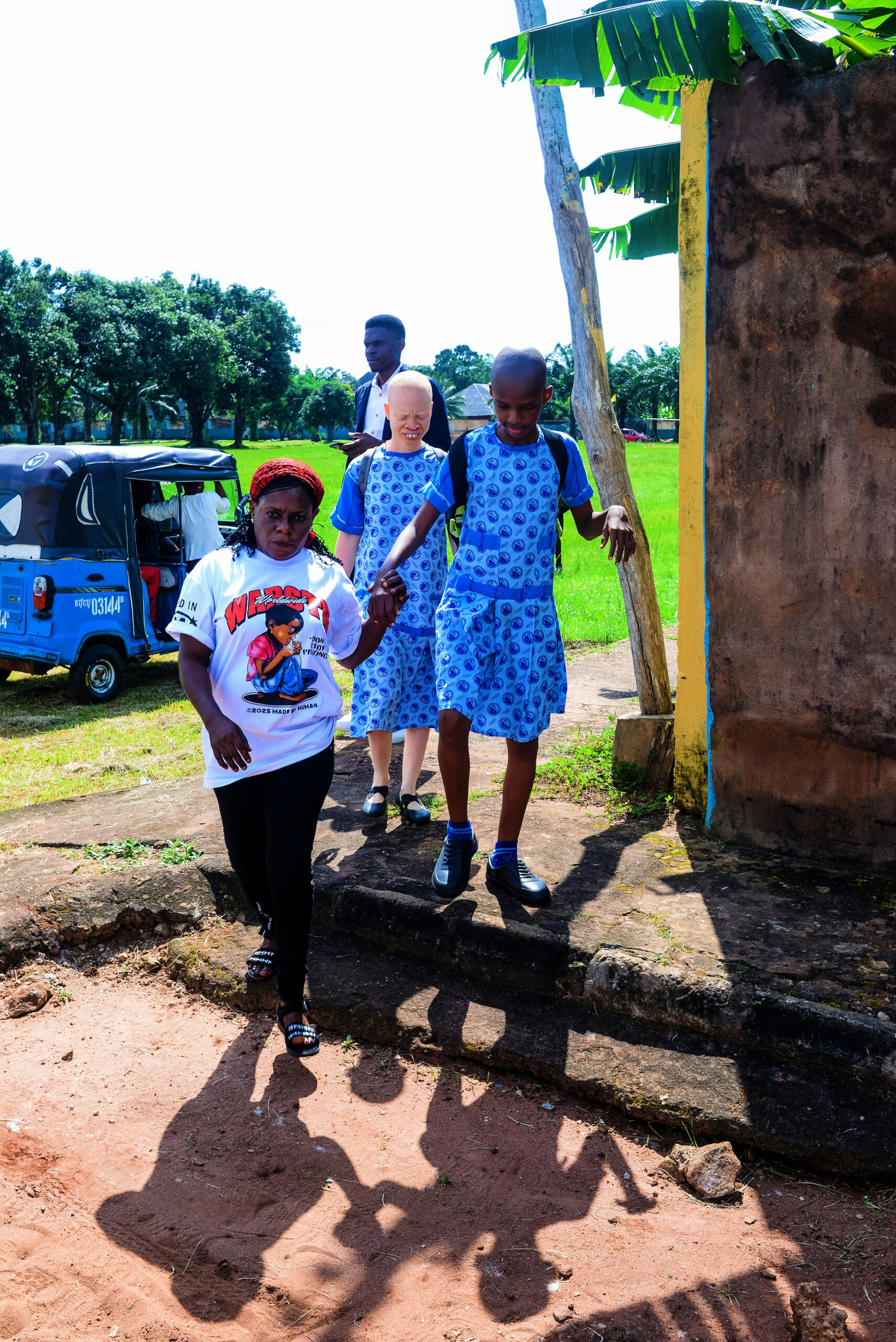
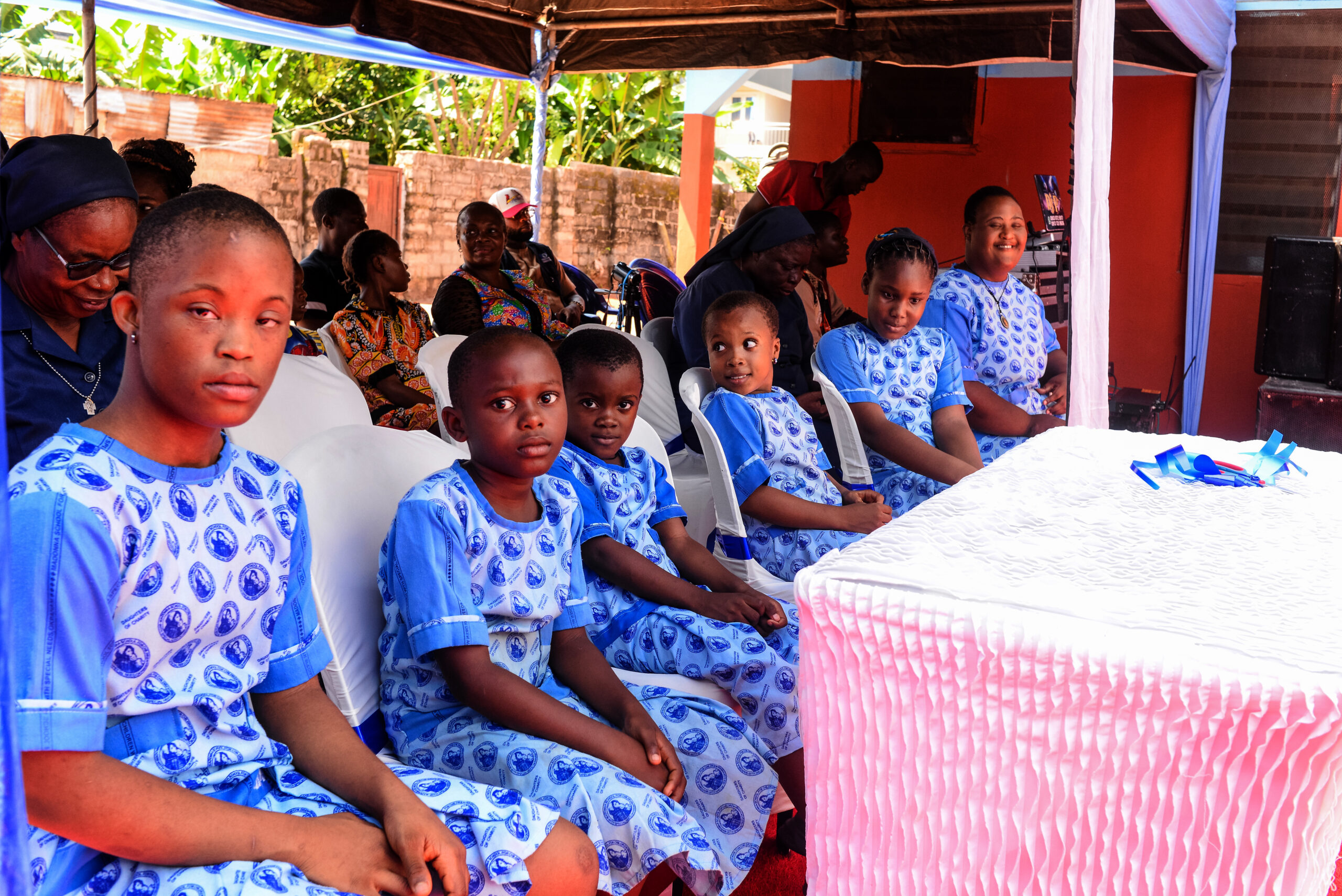
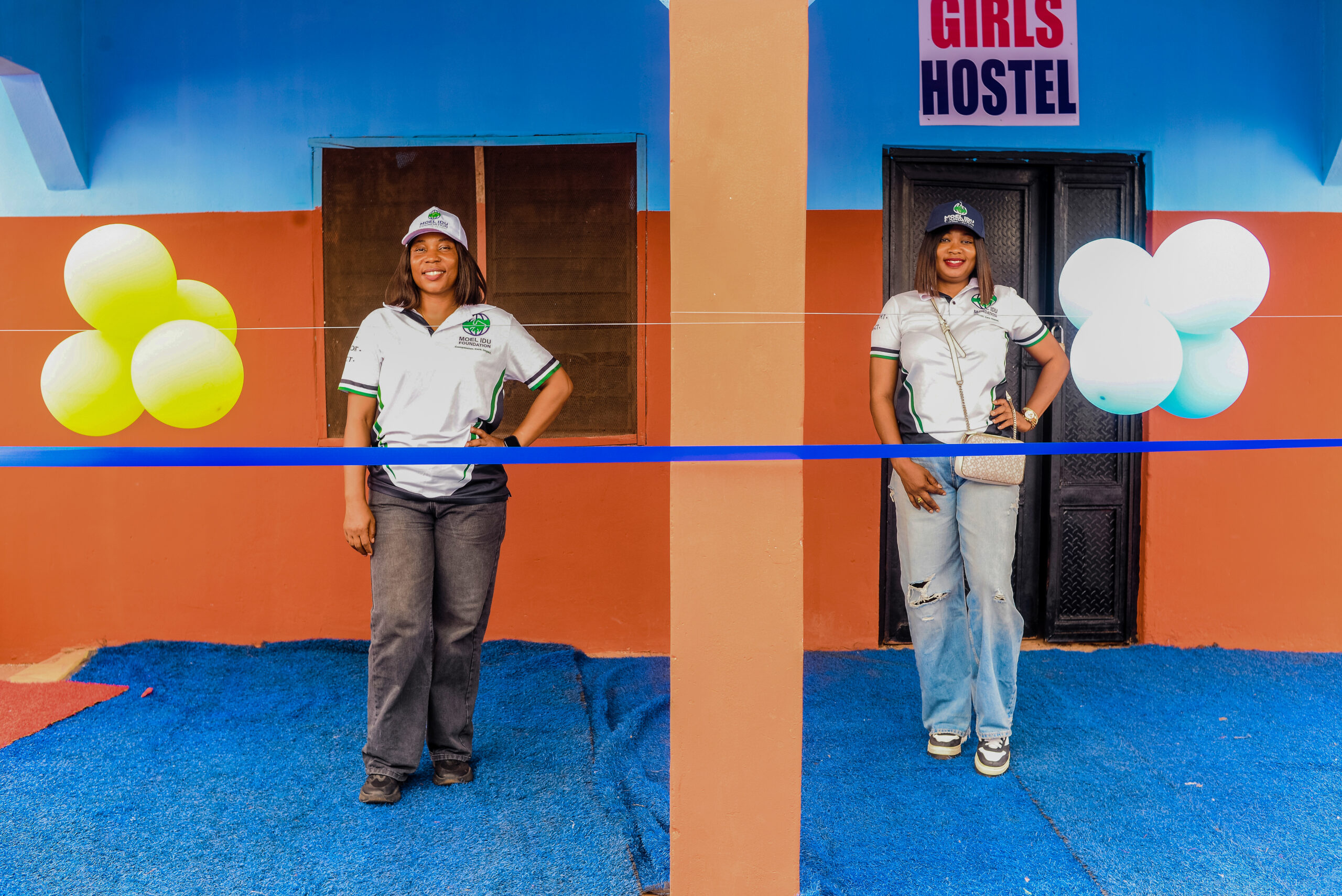
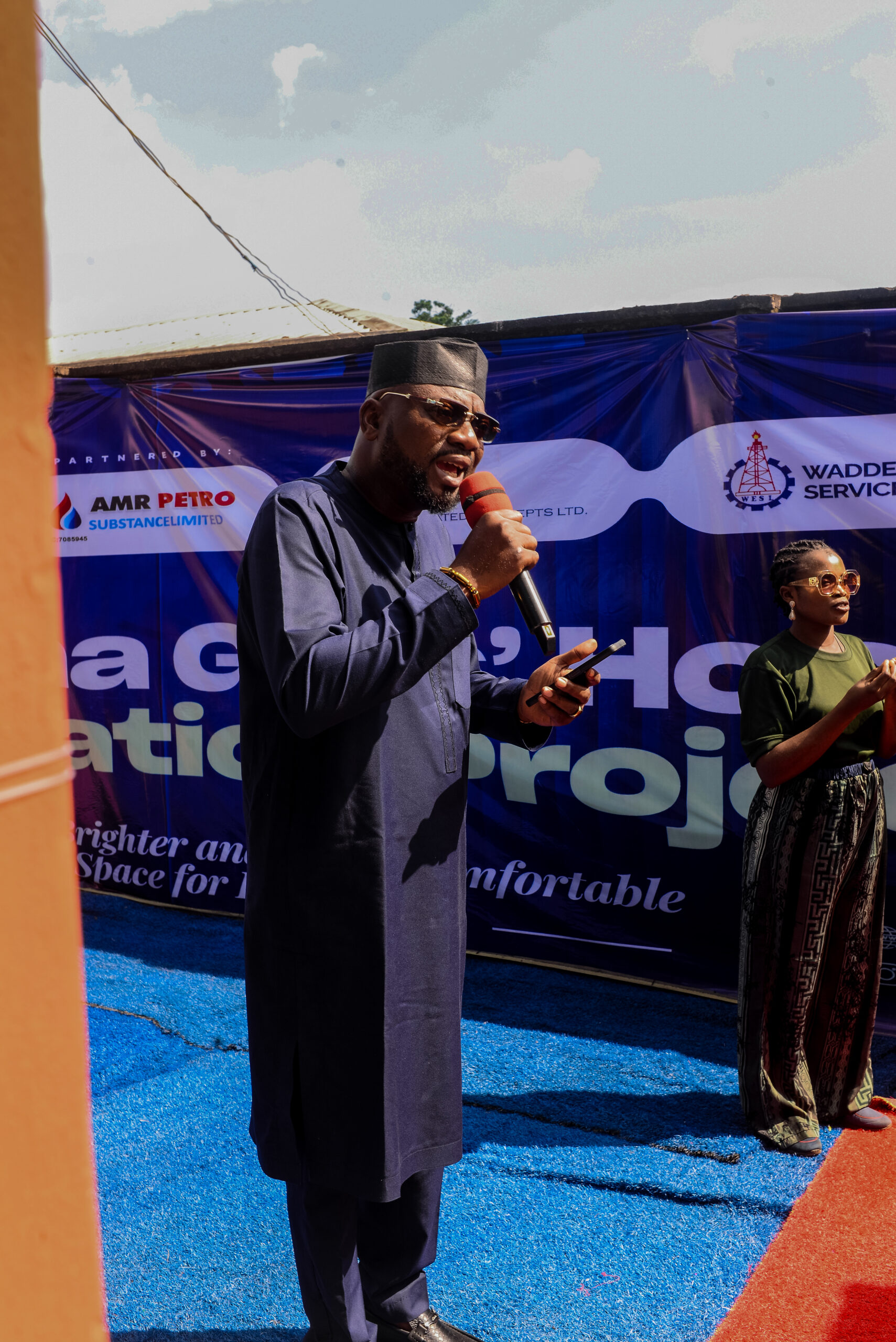
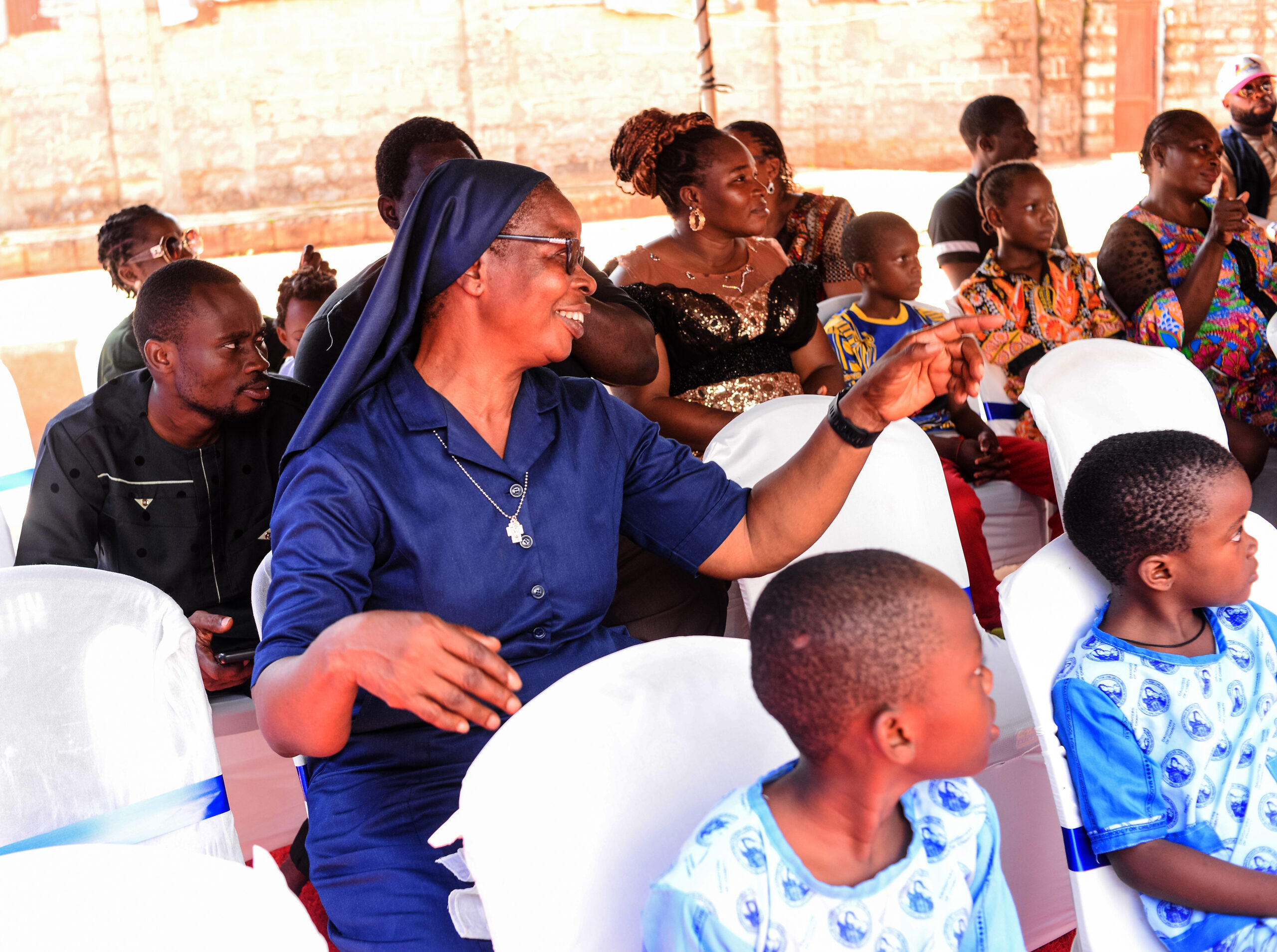
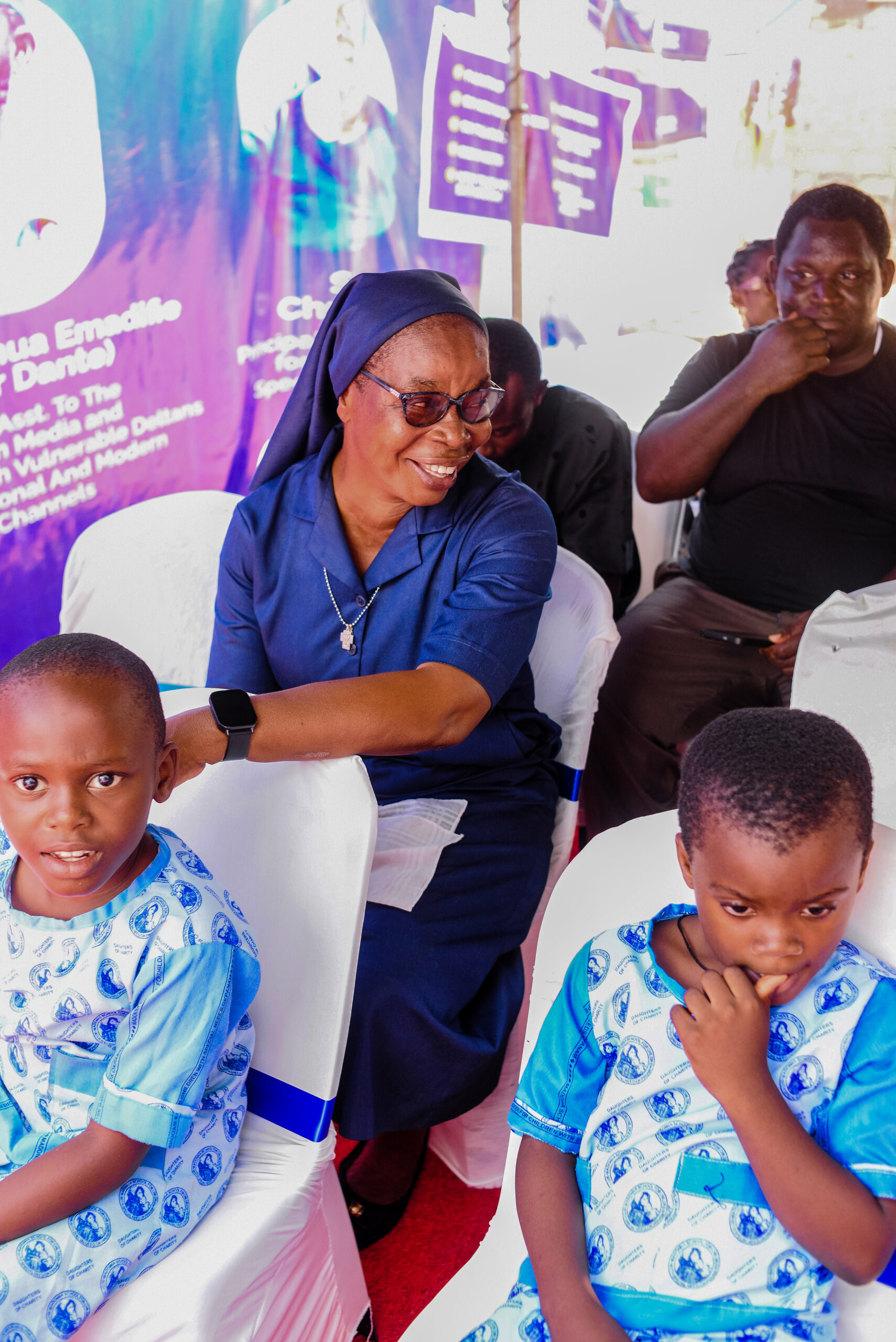
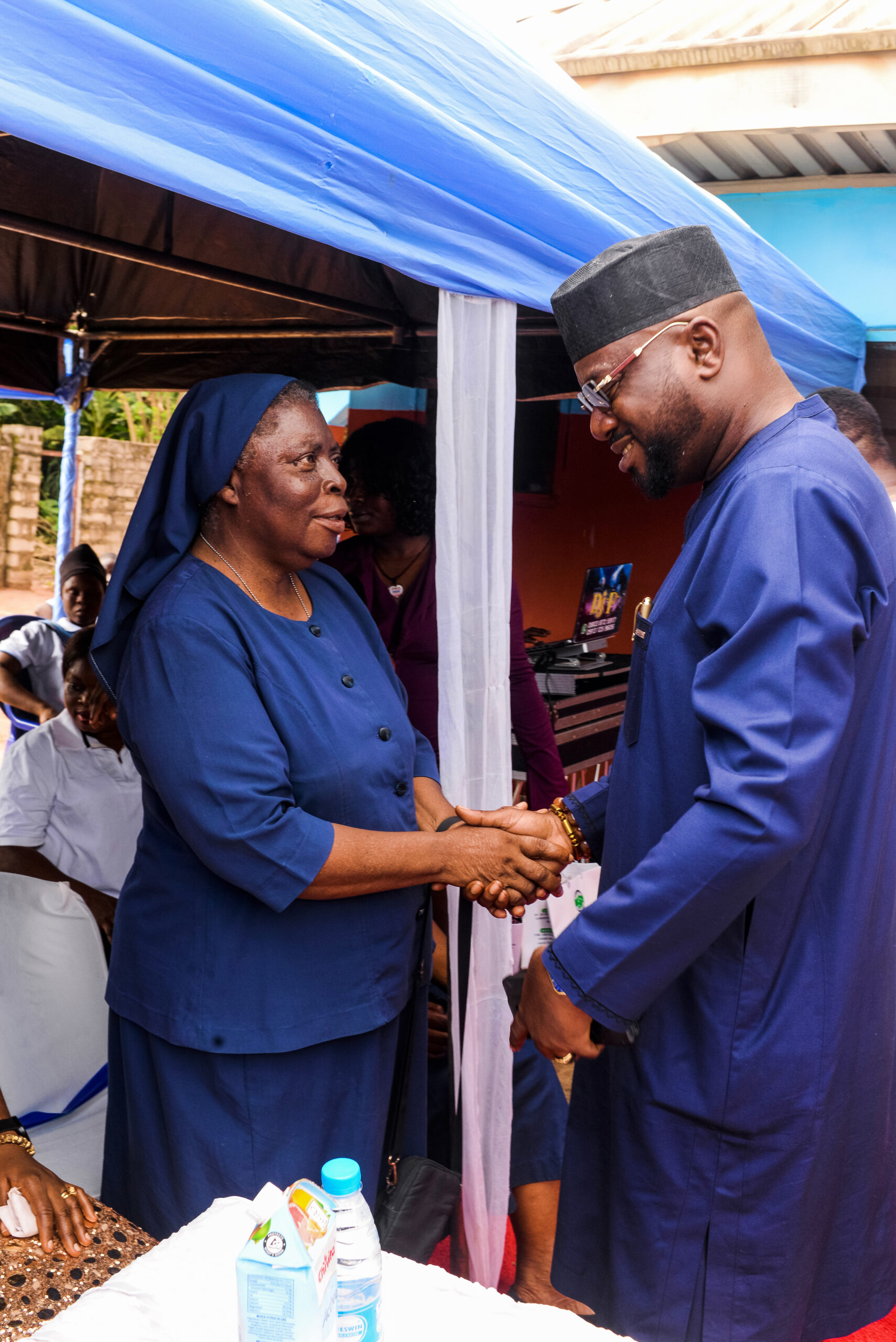
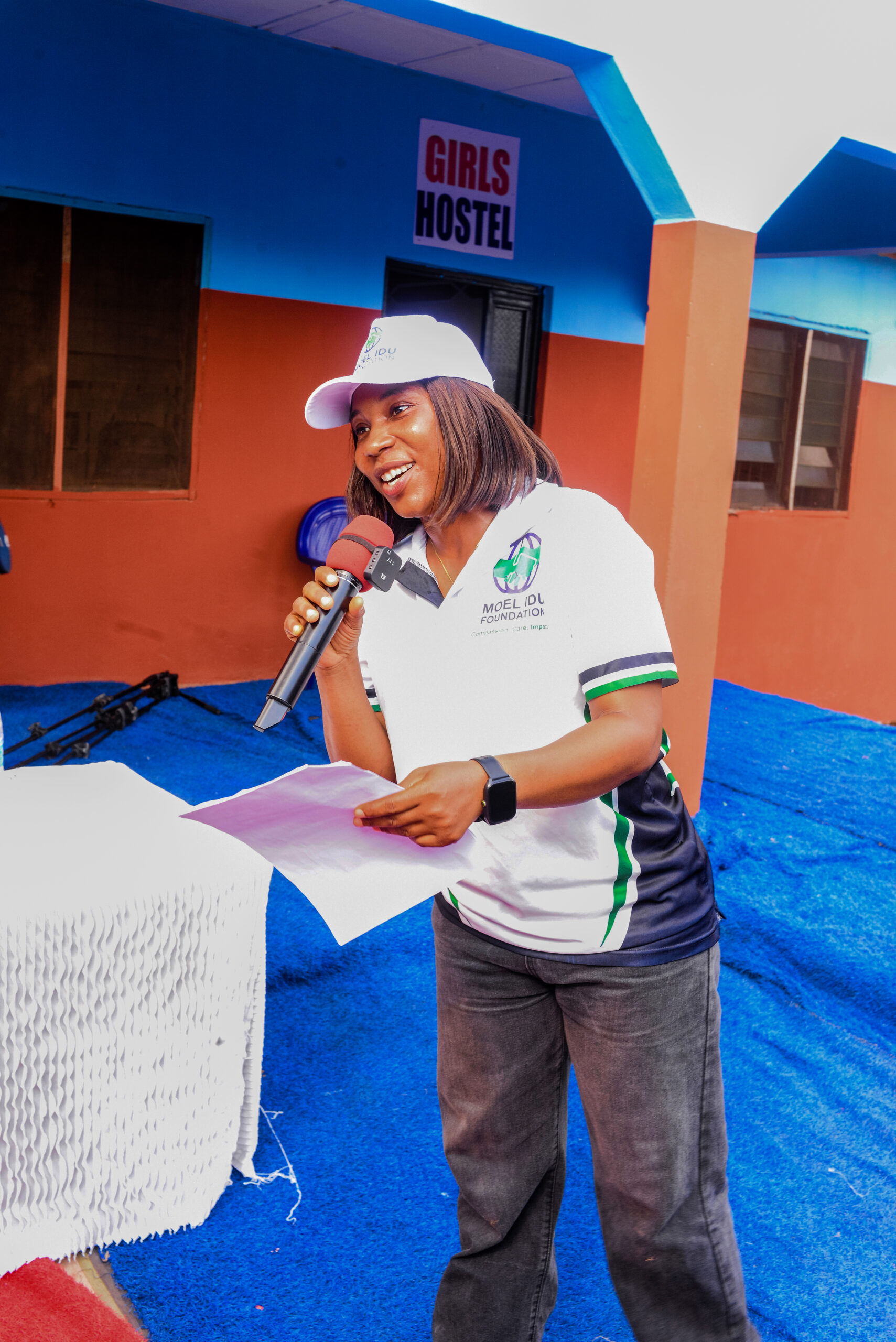
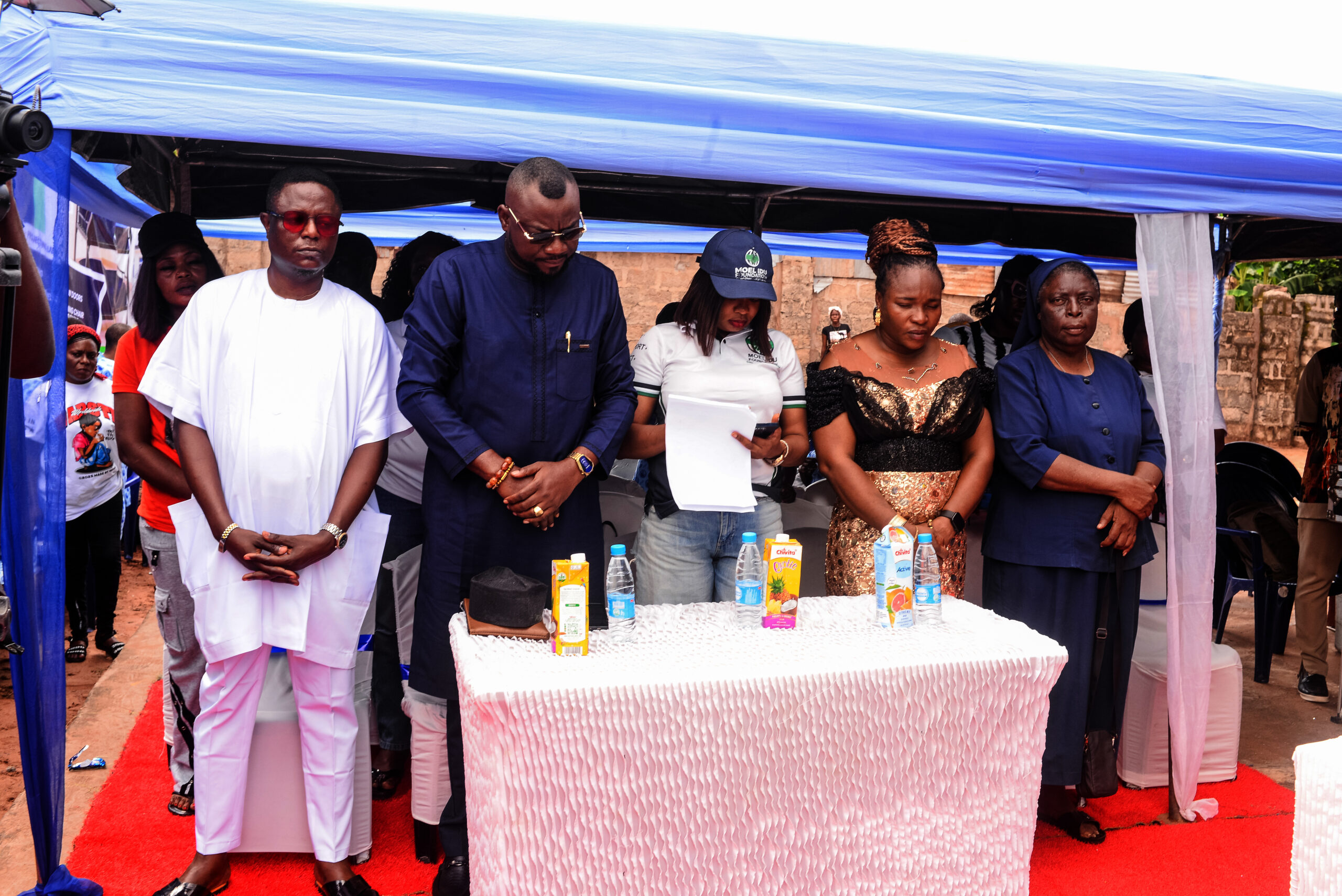
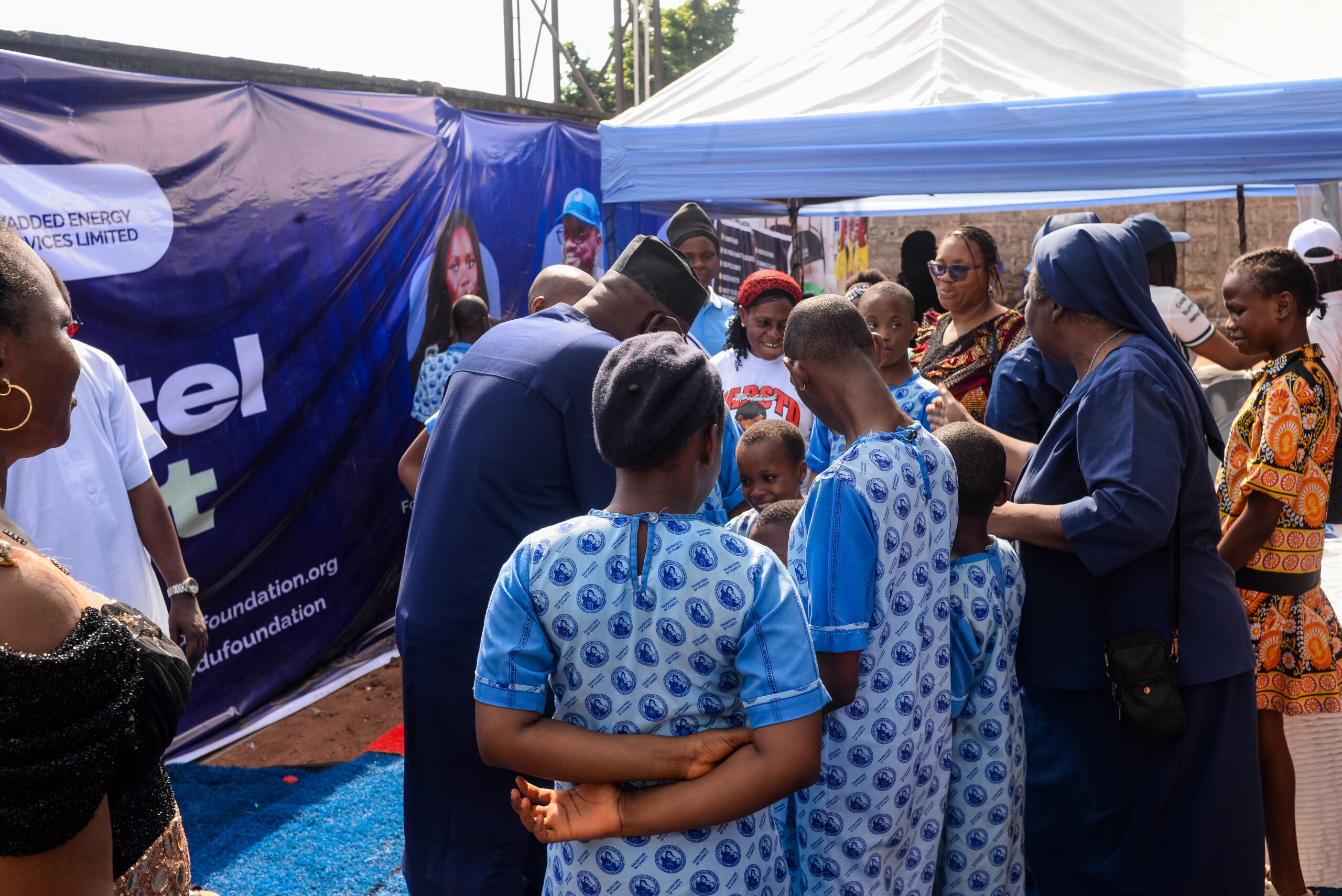
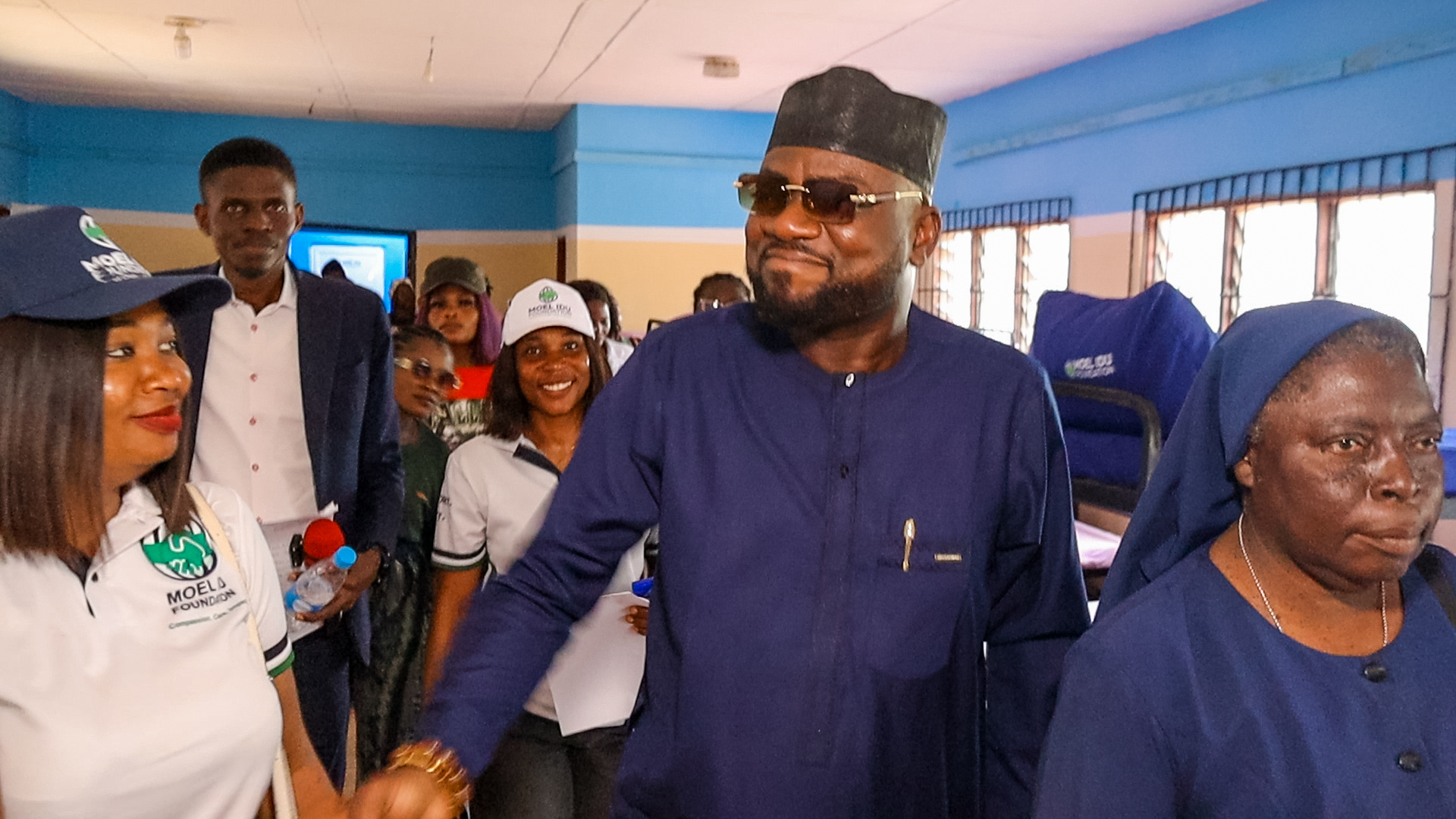
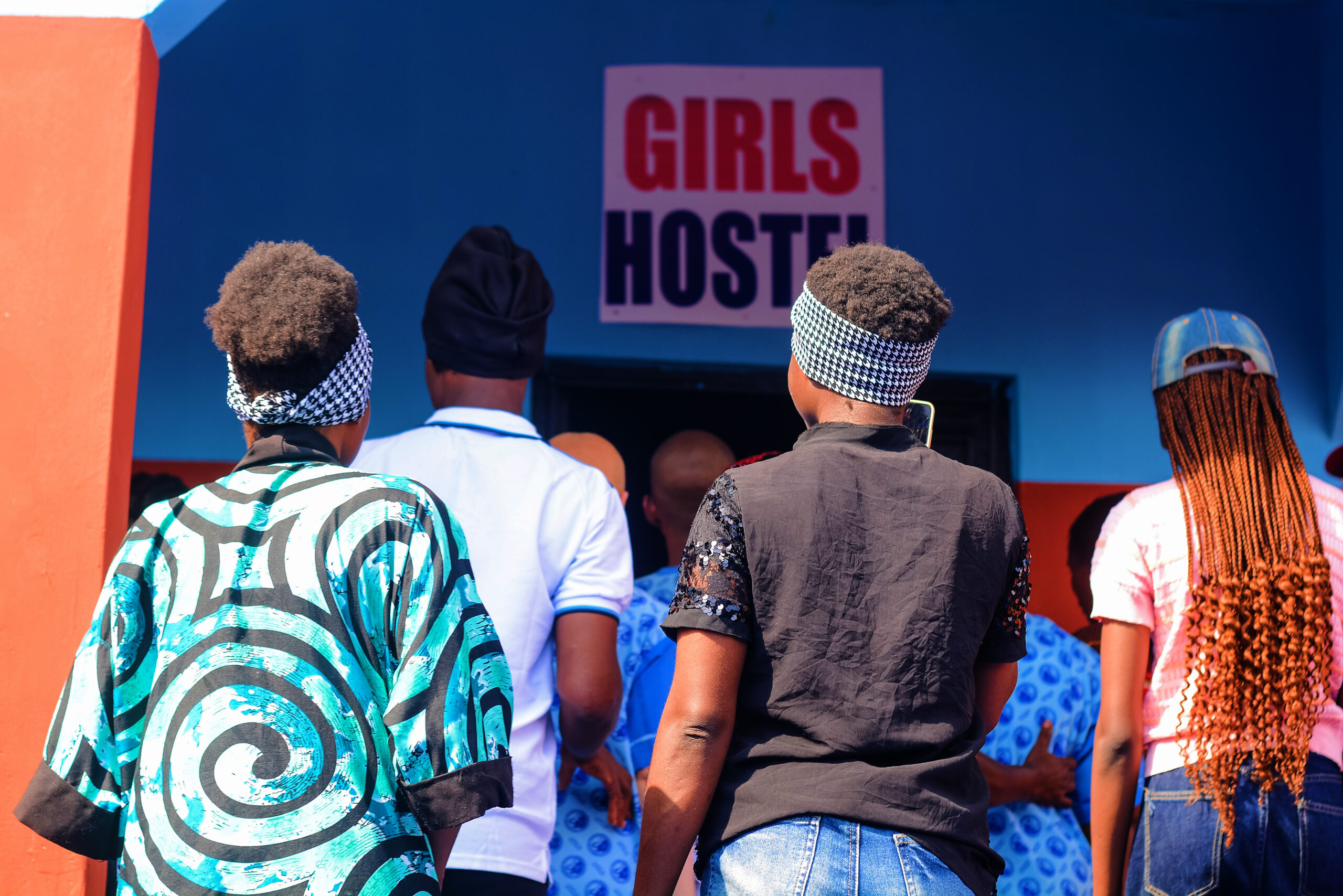
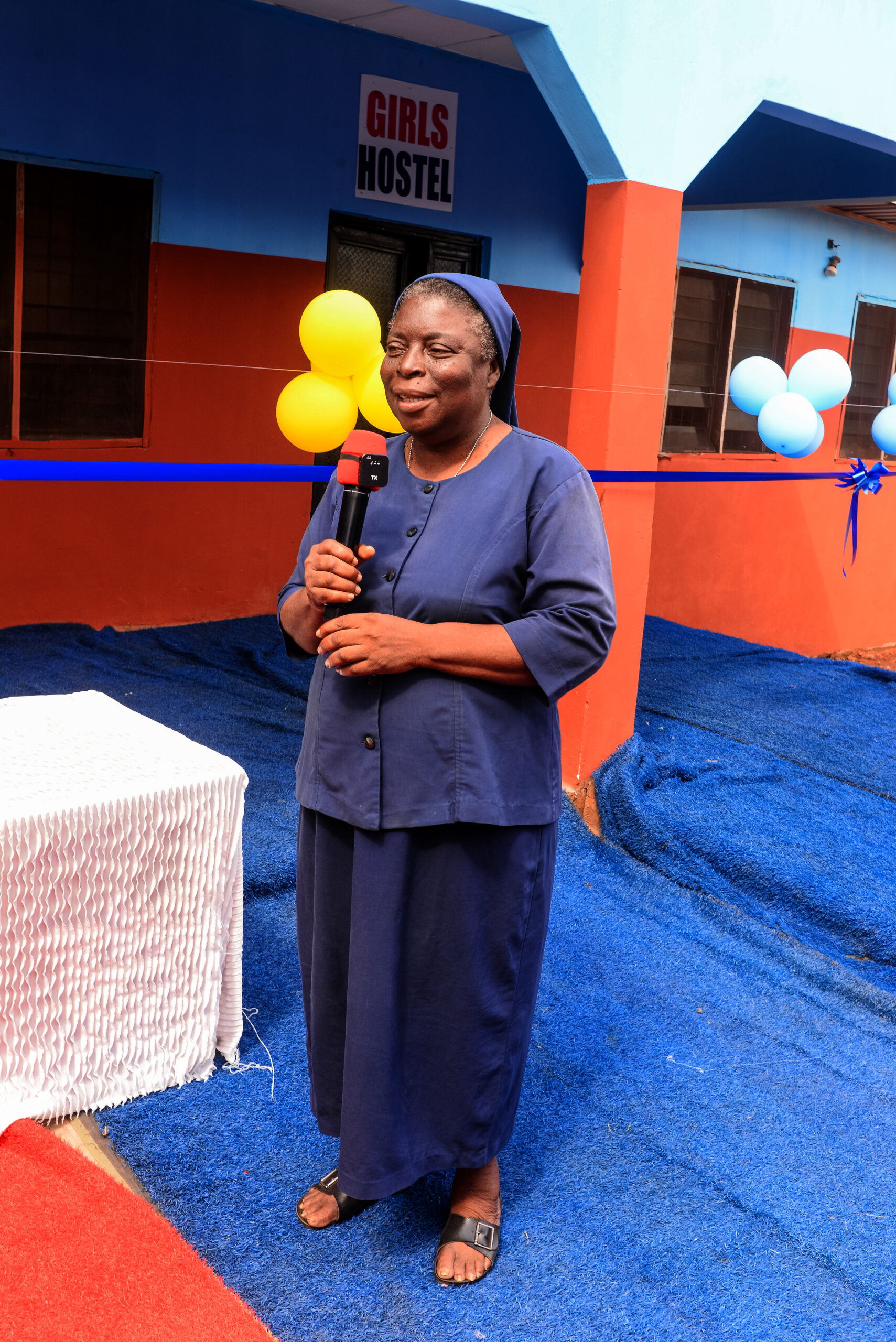
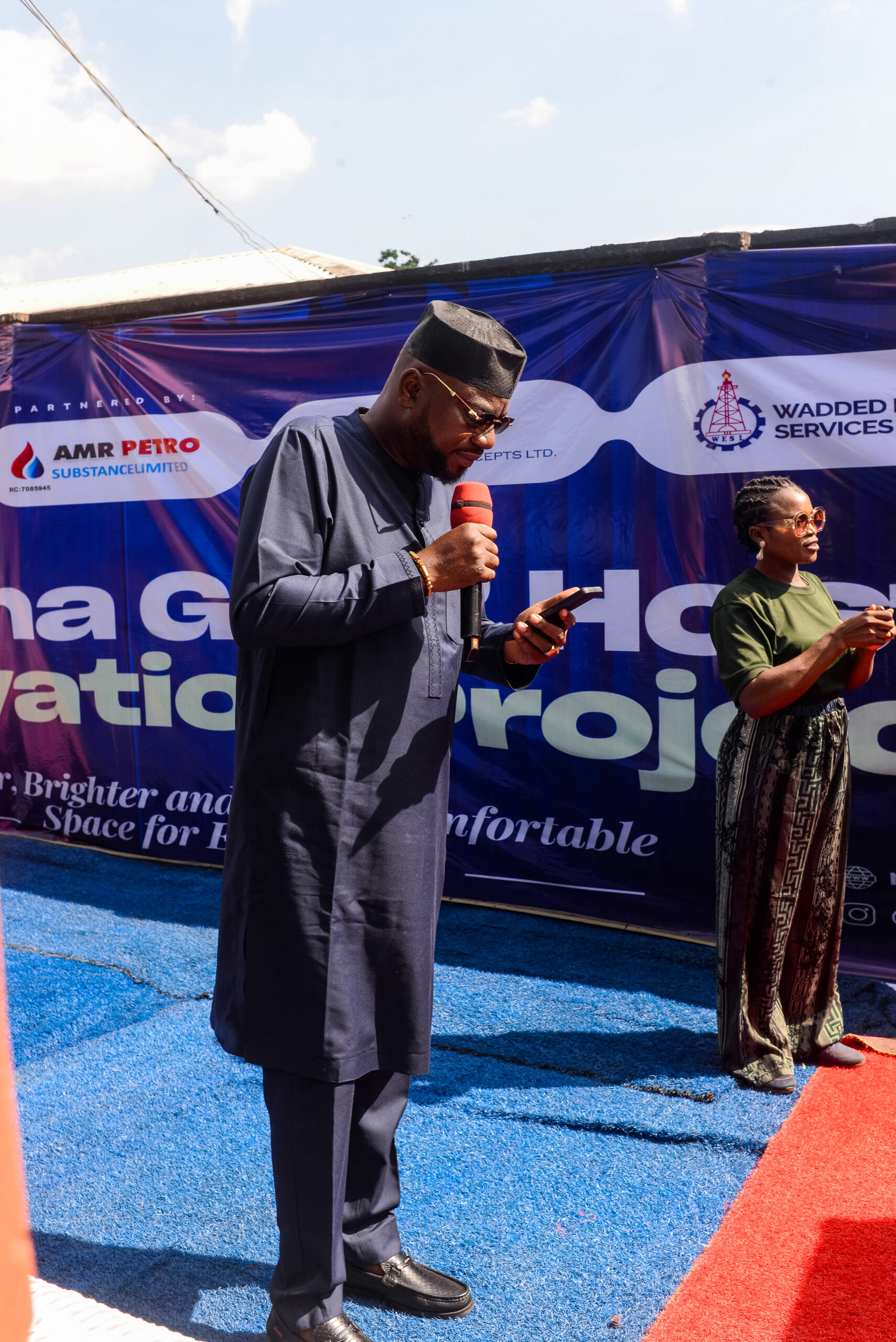
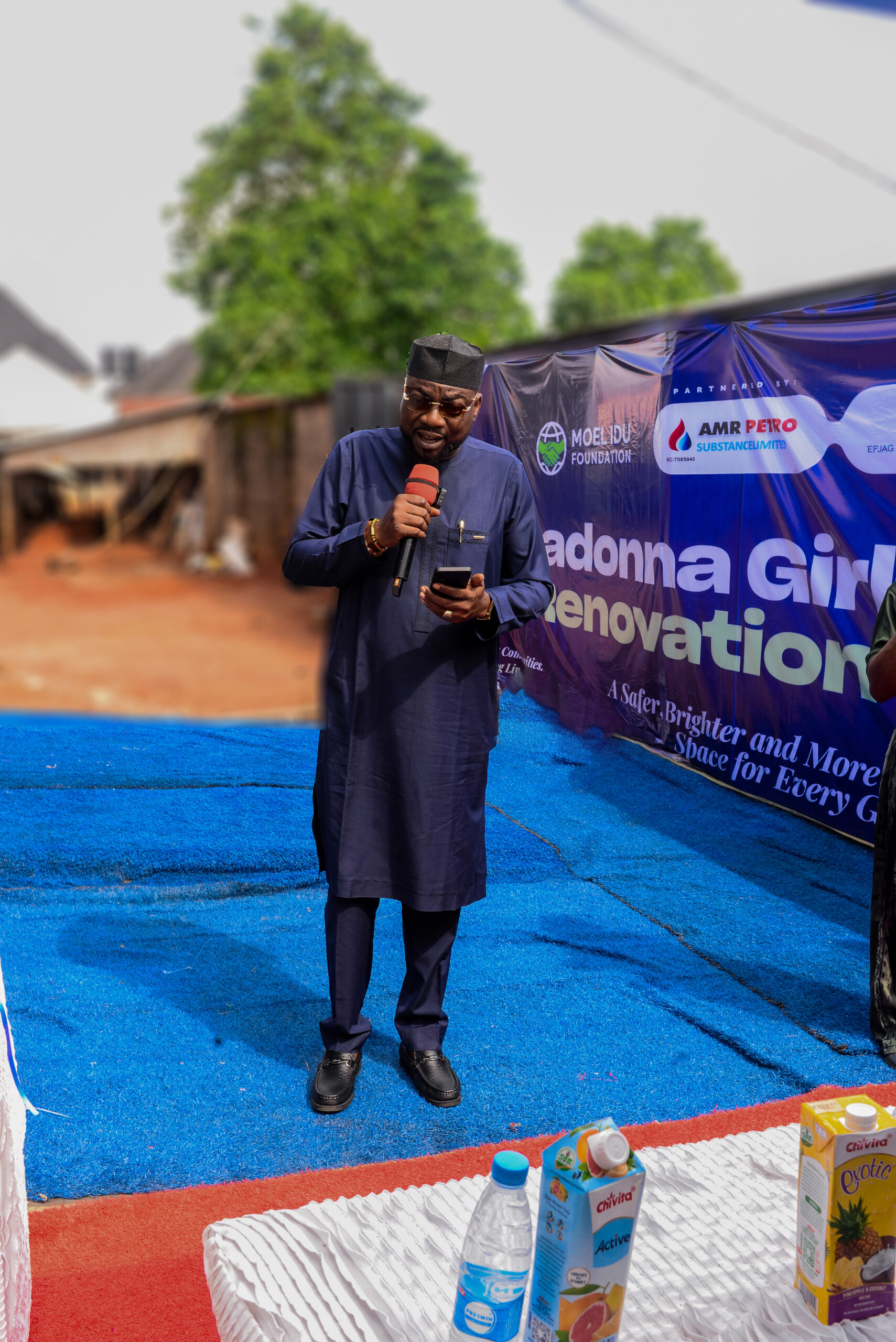
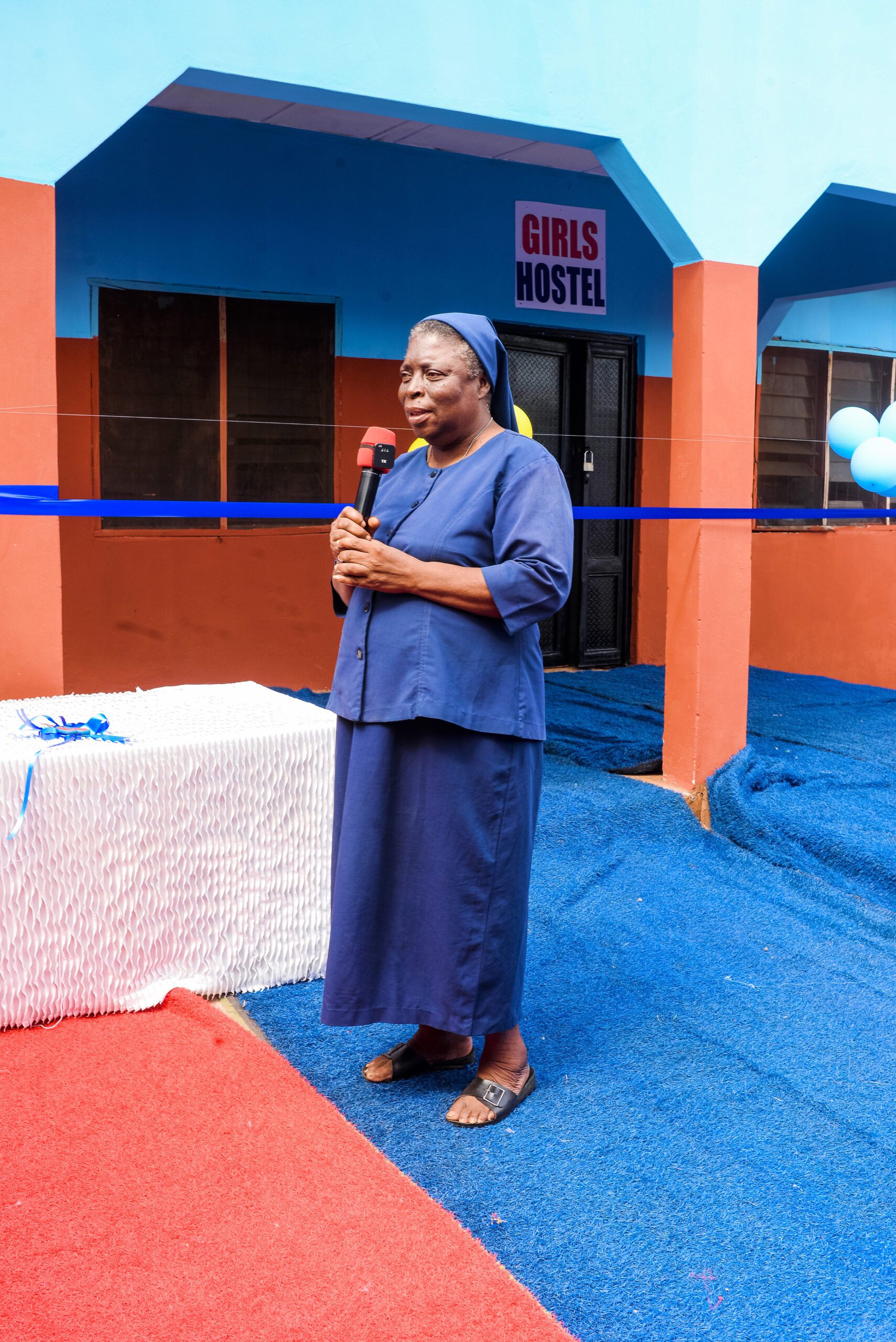
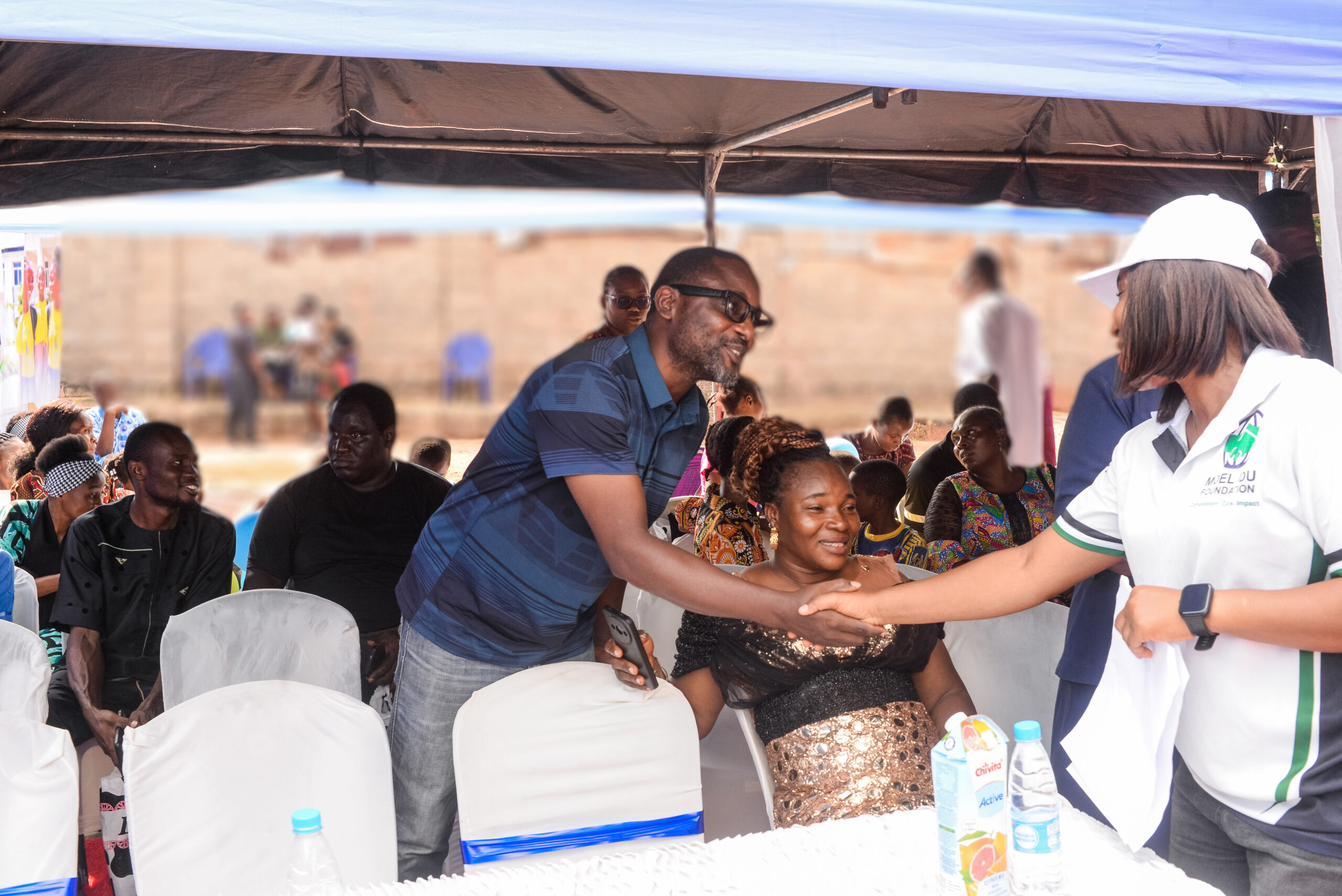
On Sunday, 13 September 2026, the renovated Madonna Girls’ Hostel was officially commissioned at Madonna High School for Special Needs in Asaba, Delta State, marking the successful completion of the Foundation’s commitment to improving the girls’ living conditions.
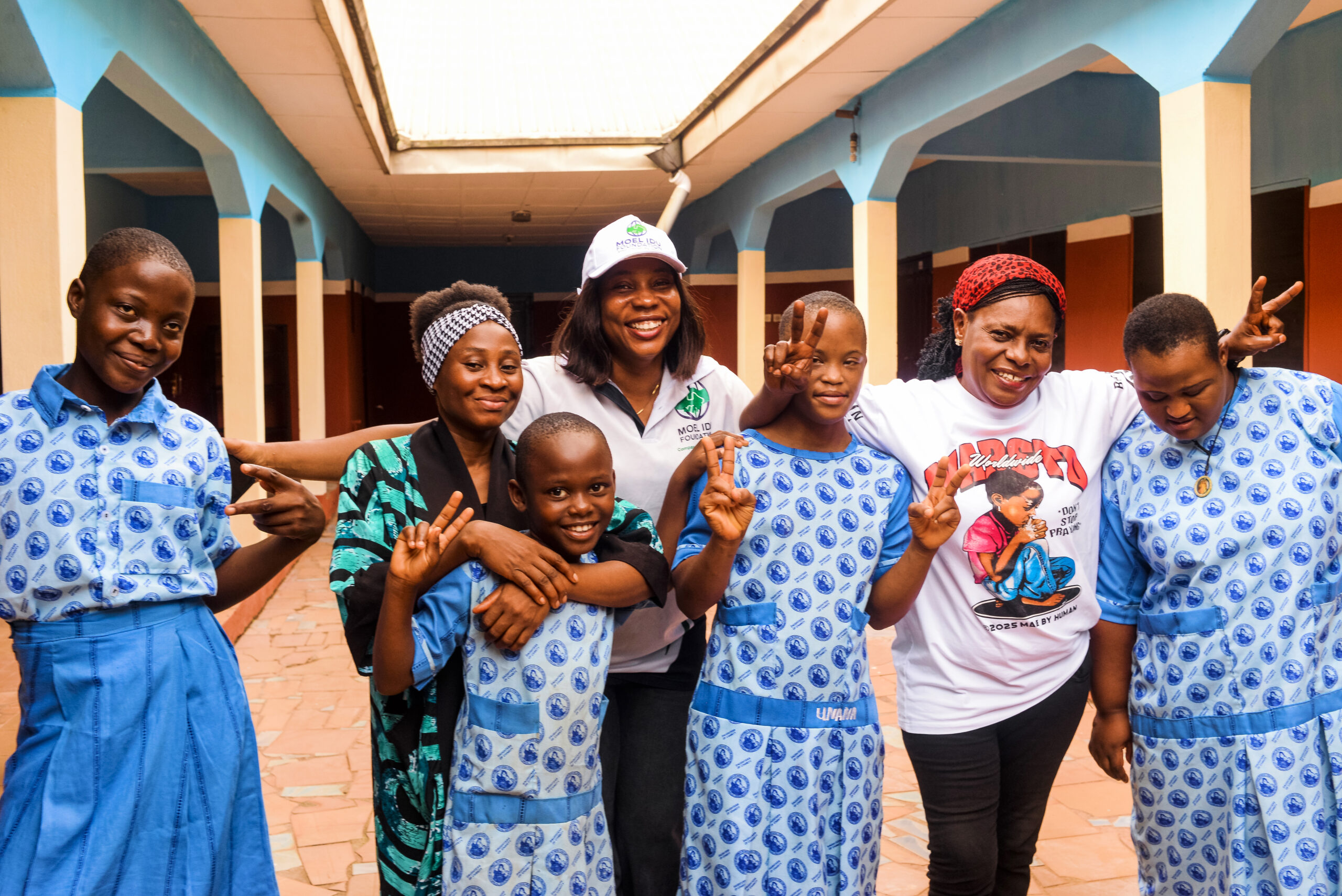
The transformation demonstrated the value of sustained community engagement. What began as a visit to provide mobility assistance and career mentorship developed into a deeper institutional partnership, allowing the Foundation to identify and respond to another significant barrier affecting the school community.
The renovation also reinforced an important understanding of inclusive education: access to learning is not limited to classrooms, educational materials or mobility aids. It also includes the conditions in which children live, rest and care for themselves.
For girls with disabilities, a supportive residential environment is part of ensuring that they are treated with dignity and have opportunities to participate in school life without facing unnecessary barriers created by inadequate infrastructure.
Through the Madonna Girls’ Hostel Renovation Project, the Moel Idu Foundation has contributed to improving residential facilities for an underserved student population while supporting gender equity, disability inclusion and better living conditions within the school.
More importantly, the project represents a commitment fulfilled. The Foundation listened to the concerns raised during its first visit, returned to assess the situation and followed through with practical improvements designed to make a meaningful difference in the girls’ everyday lives.
The project reflects the Foundation’s belief that every child, regardless of gender, background or disability, deserves to live and learn in an environment that protects their dignity, respects their needs and supports their future.
Project Overview
Country
Nigeria
Location
Madonna High School for Special Needs, Asaba, Delta State, Nigeria
Category
Water, Sanitation & Hygiene | Safe Water | Public Health | Community Resilience
Partner
Madonna High School for Special Needs, Asaba
Direct Beneficiaries
250 Learners
Estimated Reach
Approximately 400 Individuals
Status
Completed
Impact Highlights
Comprehensive rehabilitation of the girls’ residential accommodation, addressing deteriorated infrastructure and improving the overall safety, cleanliness, comfort and functionality of the living environment.
Fifty new mattresses were supplied to improve sleeping arrangements and provide more comfortable accommodation for female learners residing in the hostel
Fifty pillows were provided to support improved sleeping conditions and everyday comfort for hostel residents.
Fifty new bedsheets were supplied as part of the accommodation improvements, complementing the mattresses and pillows to provide more appropriate sleeping facilities.
Bathroom facilities were rehabilitated through the installation of new tiles, improvements to deteriorated surfaces and general refurbishment to strengthen hygiene and functionality.
New toilets were installed to replace inadequate sanitary facilities, improving access to functional sanitation and supporting better personal hygiene.
New doors were installed within the girls’ hostel to improve privacy, security and the functionality of the residential accommodation.
Damaged and deteriorated walls were repaired, and painting works were completed to restore interior surfaces and create a cleaner, brighter and more welcoming living environment.
Dining tables and chairs were provided to improve communal dining arrangements and support more comfortable and organized daily activities within the hostel.
Additional renovation and refurbishment works were completed to improve the overall condition, usability and quality of the girls’ residential facility.
Sustainable Development Goals (SDGs)