Every child deserves to grow up in a safe and supportive environment, with access to adequate nutrition, education, protection and the care necessary for healthy development. For children living without parental care, meeting these fundamental needs requires committed caregivers, essential resources and sustained support from the wider community.
In commemoration of the International Day of Charity on 5 September 2026, Moel Idu Foundation implemented Sharing Hope, a humanitarian outreach initiative supporting children across three orphanage homes in Warri, Delta State, Nigeria.
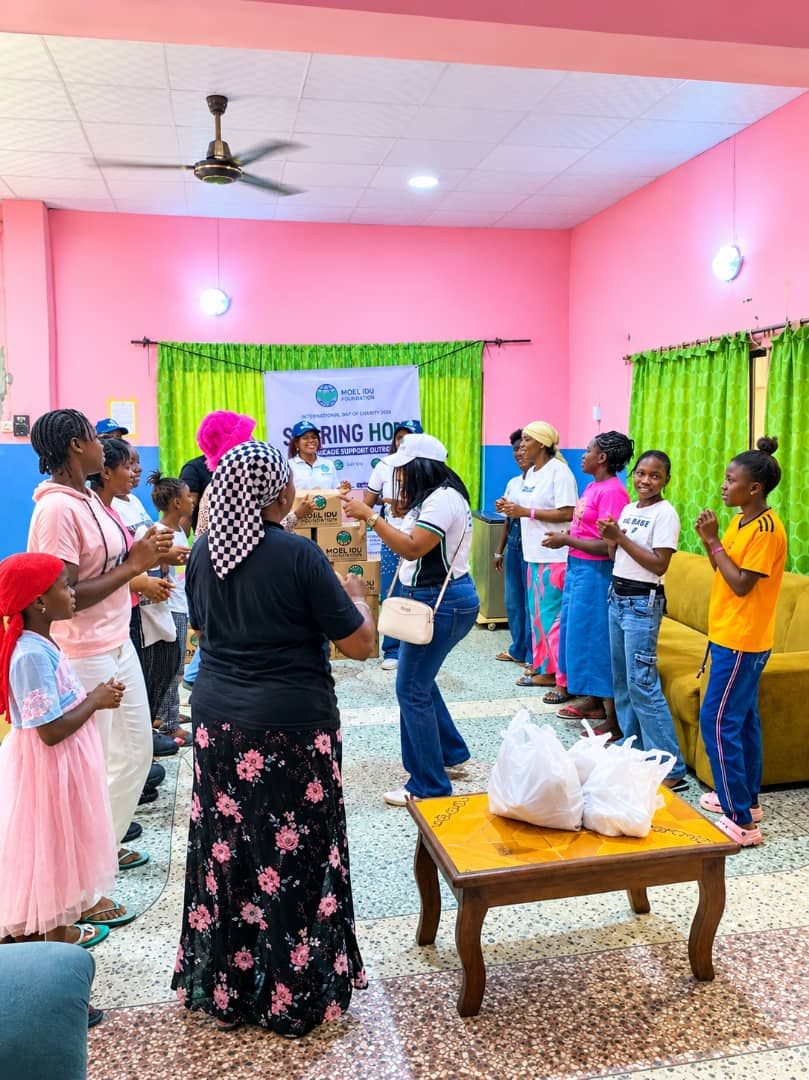
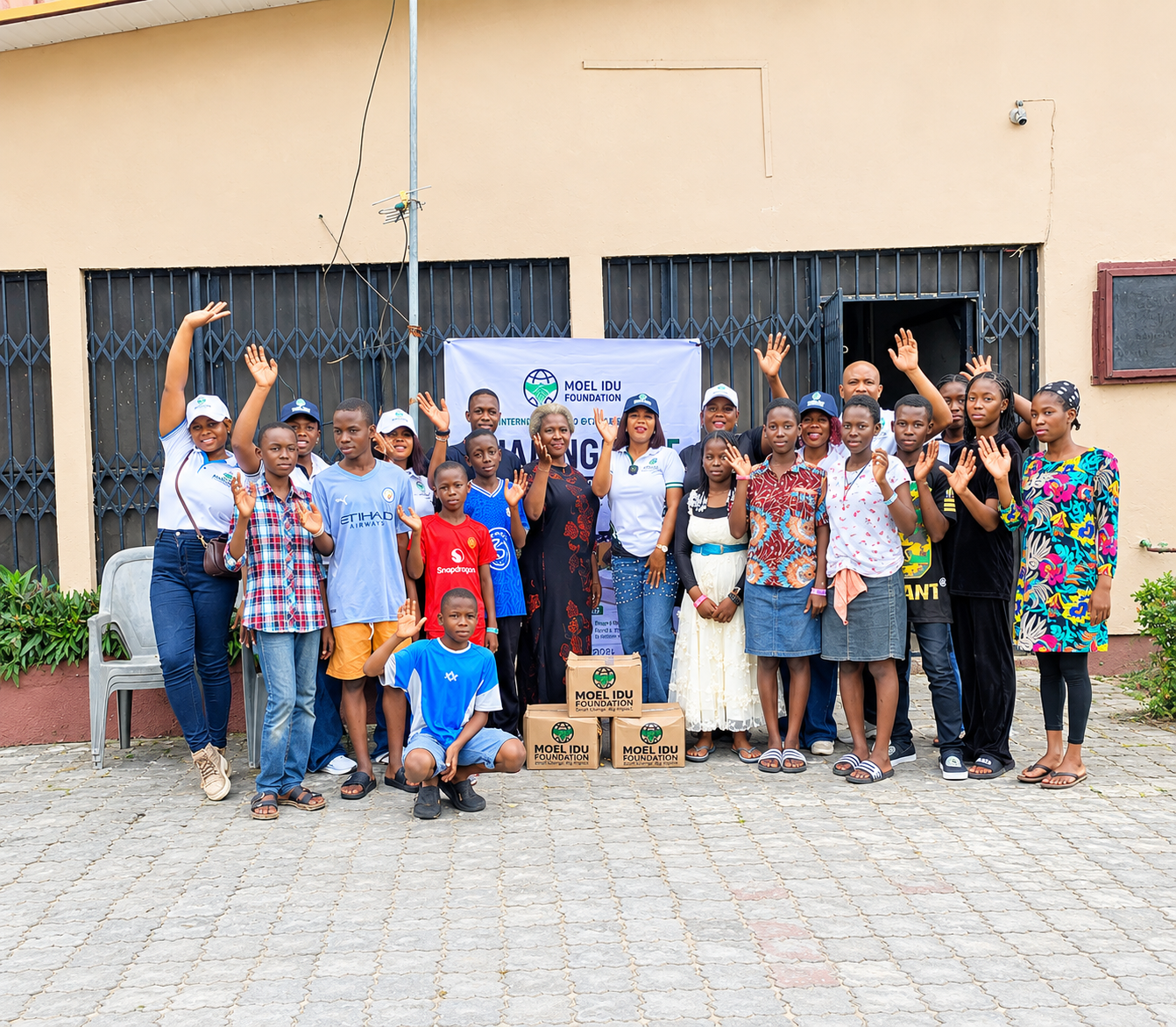
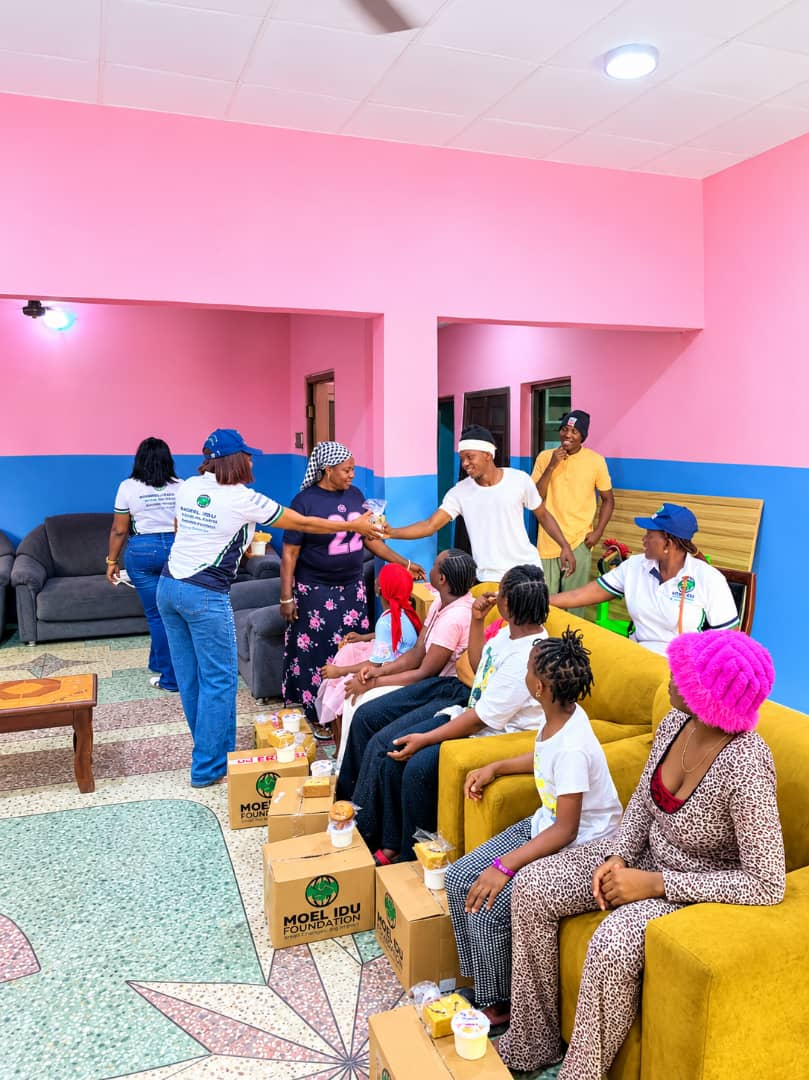
As part of the programme, the Foundation visited Esther’s Court Orphanage Home to provide food assistance, address immediate welfare needs and strengthen community engagement with children living in residential care.
Residential childcare institutions play an important role in providing stability, daily supervision and educational opportunities for children who are unable to remain in parental care. However, ensuring consistent access to nutritious meals, essential household resources and supportive care requires adequate funding and continued community involvement.
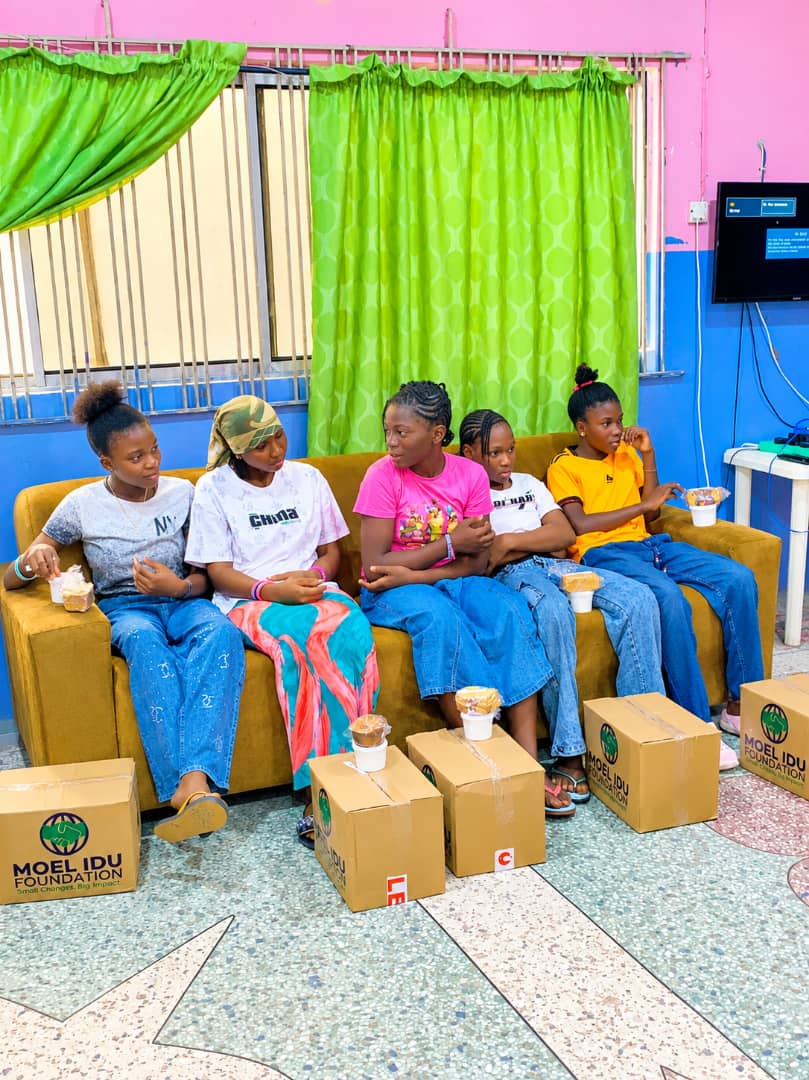
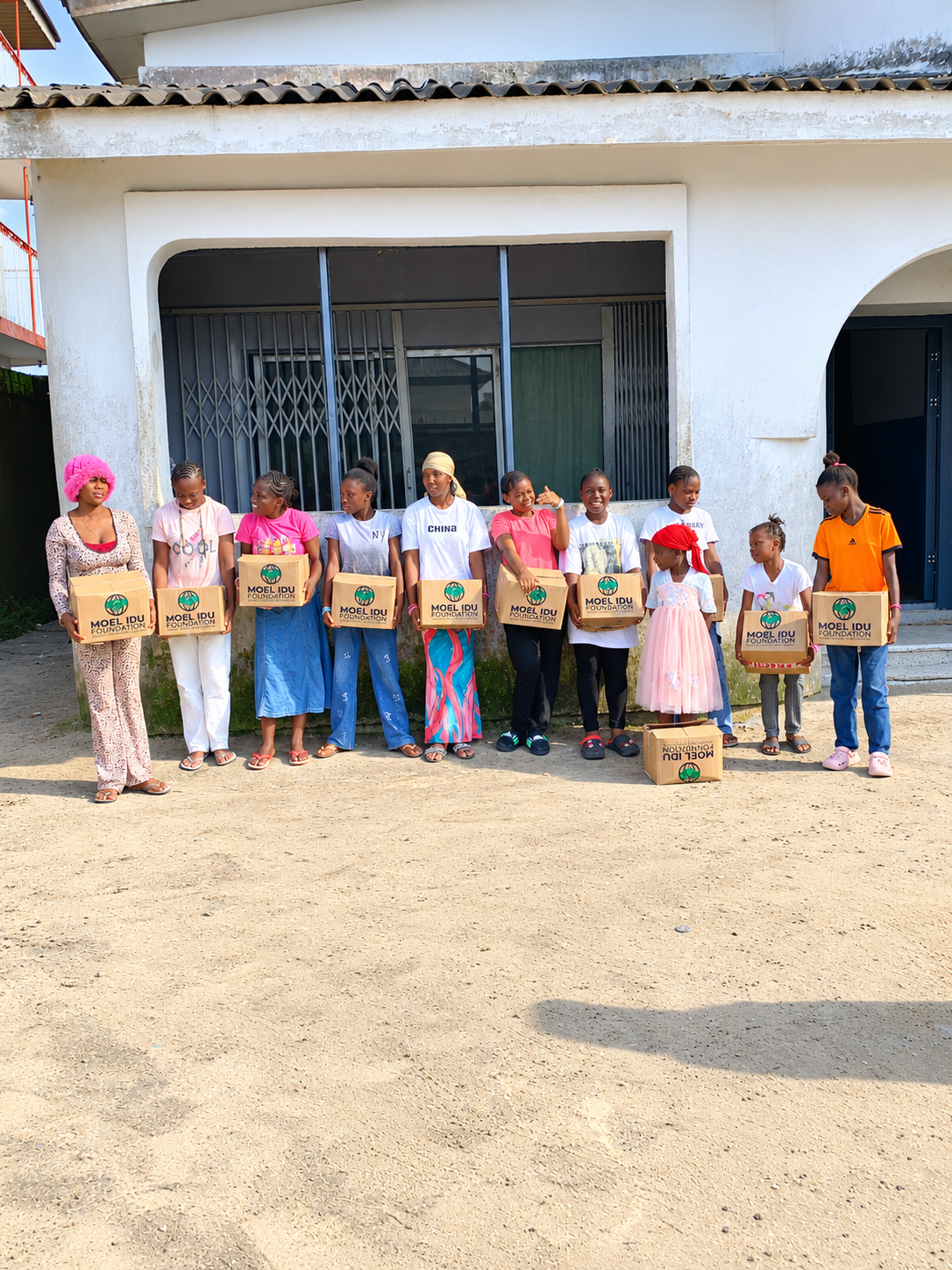
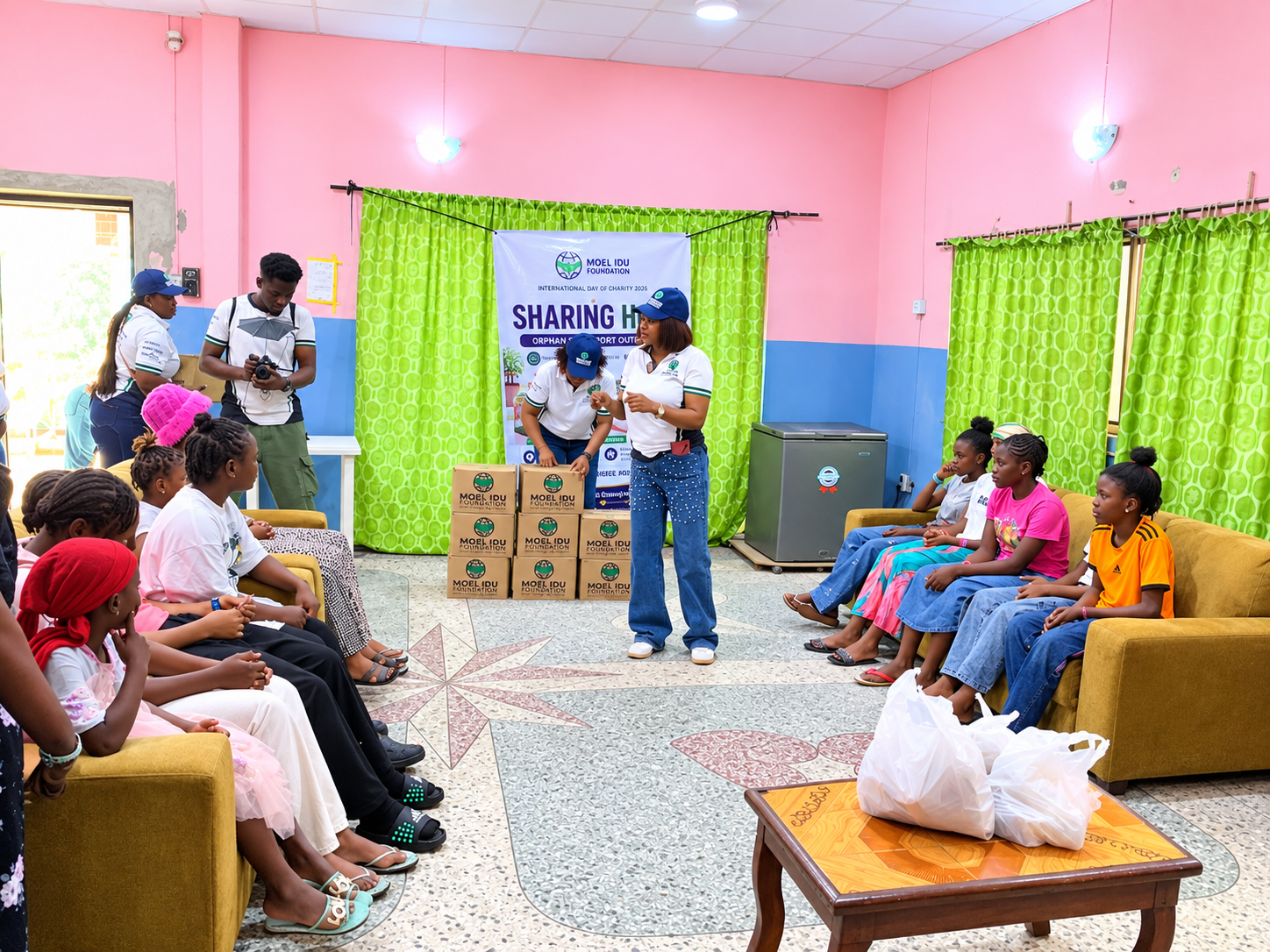
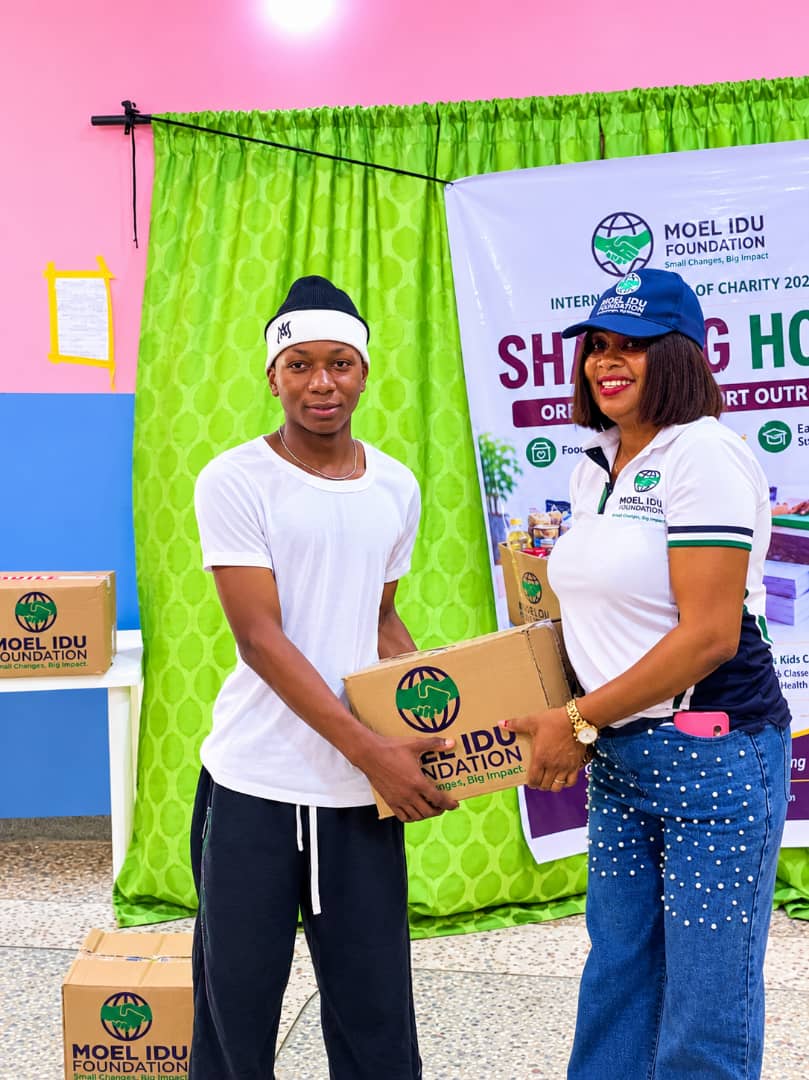
At Esther’s Court Orphanage Home, the Foundation distributed 26 food boxes containing essential provisions, ensuring that each of the 26 direct beneficiaries received one food box.
The assistance was intended to support immediate nutritional needs, contribute to daily meal provision and ease some of the financial pressures associated with caring for children in a residential setting.
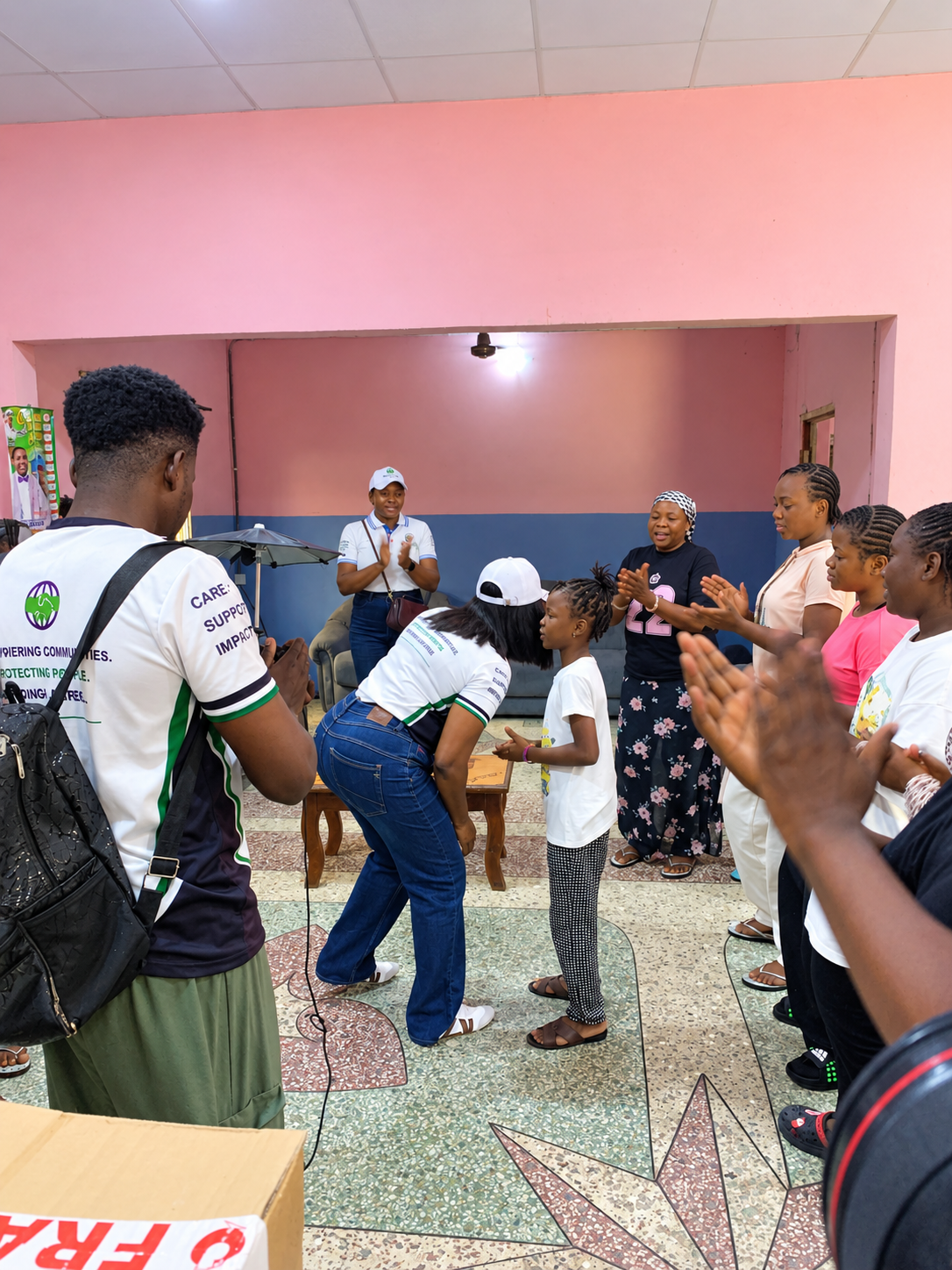
Beyond the distribution of food supplies, the Foundation’s team engaged directly with the children and caregivers, creating opportunities for interaction, encouragement and shared experiences. The visit recognised the importance of emotional well-being, social connection and positive relationships alongside material support.
During an interview conducted at the home, the matron introduced the children under the institution’s care and explained that girls constituted the majority of those present during the visit. She noted that some of the boys were attending school and had not yet returned at the time of the outreach.
Her account offered insight into the children’s daily routines and highlighted the importance of maintaining educational participation alongside residential care and other essential services.
The matron expressed appreciation to Moel Idu Foundation for selecting Esther’s Court among the institutions supported during the International Day of Charity programme. She acknowledged the resources invested in purchasing and delivering the donated food supplies and offered prayers for the Foundation’s team and supporters.
“We thank you for choosing us among the orphanages. The Lord will continue to bless everybody.”
— Matron, Esther’s Court Orphanage Home
Her remarks reflected the institution’s appreciation for the assistance received and highlighted the role of community contributions in complementing the work of caregivers responsible for vulnerable children.
The intervention directly reached 26 beneficiaries, with an estimated indirect reach of 50 individuals through the institution’s wider care and community support network.
By providing essential food supplies and engaging with children and caregivers, the outreach contributed to addressing immediate material needs while reinforcing the importance of compassion, inclusion and shared community responsibility for child welfare.
Implemented as part of the Foundation’s wider International Day of Charity programme, the Esther’s Court intervention demonstrated how community-based humanitarian assistance can complement the efforts of residential childcare institutions in meeting children’s everyday needs.
While food assistance provides immediate support, improving the long-term well-being of children without parental care requires sustained investment in education, child protection, healthcare, appropriate alternative care and inclusive social support systems.
Through Sharing Hope, Moel Idu Foundation reaffirmed its commitment to advancing child welfare, strengthening community participation and promoting environments where every child, regardless of their family circumstances, has the opportunity to grow with dignity, protection and access to essential resources.
Project Overview
Country
Nigeria
Location
Esther’s Court Orphanage Home, No. 6 Bendel Estate, by Prime Seed Redeem School, Warri, Delta State, Nigeria
Category
Child Welfare | Humanitarian Assistance | Food Security | Social Inclusion
Partner
Esther’s Court Orphanage Home
Direct Beneficiaries
26 Individuals
Estimated Reach
50 Individuals (Indirect)
Status
Completed
Impact Highlights
Twenty-six children and individuals at Esther’s Court Orphanage Home directly benefited from the Foundation’s humanitarian assistance, with each receiving a food box containing essential provisions.
An estimated 50 individuals within the institution’s wider care and community support network were identified as potential indirect beneficiaries of the intervention.
Twenty-six food boxes containing essential food provisions were distributed, with each direct beneficiary receiving one box to support immediate food needs and help ease food-related expenses.
Esther’s Court Orphanage Home received targeted humanitarian assistance to support the immediate welfare needs of children living in residential care.
The Foundation engaged with children and caregivers, promoting positive interaction, encouragement and community participation in child welfare.
An interview with the home’s matron provided insight into the children’s daily care arrangements, school participation and the institution’s appreciation for the humanitarian assistance received.
Sustainable Development Goals (SDGs)